De Hermaphroditorum Natura

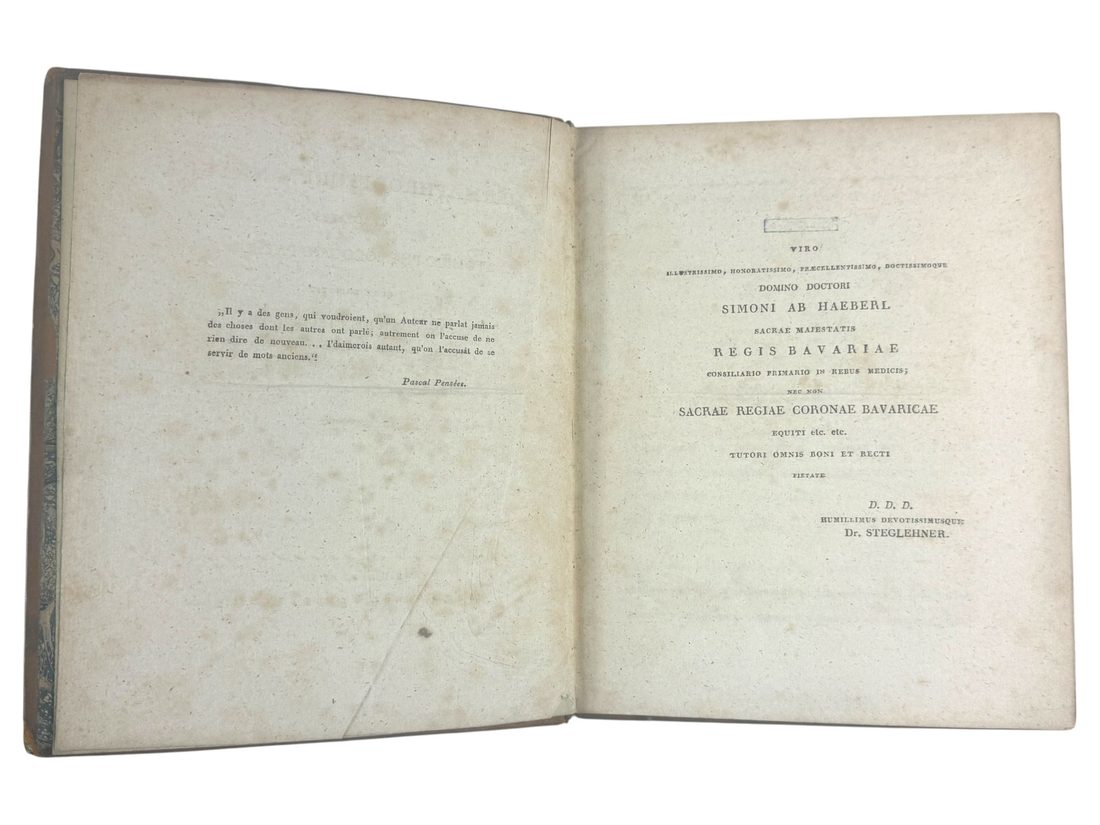







| Macro-category | Rare Books and Manuscripts |
| Subcategory | Medicine |
| Author | STEGLEHNER (Georg) |
| Place of printing | Bamberg & Leipzig |
| Publisher / Maker | Carl Friedrich Kunz |
| Year | 1817 |
The first clinical record of androgen insensitivity
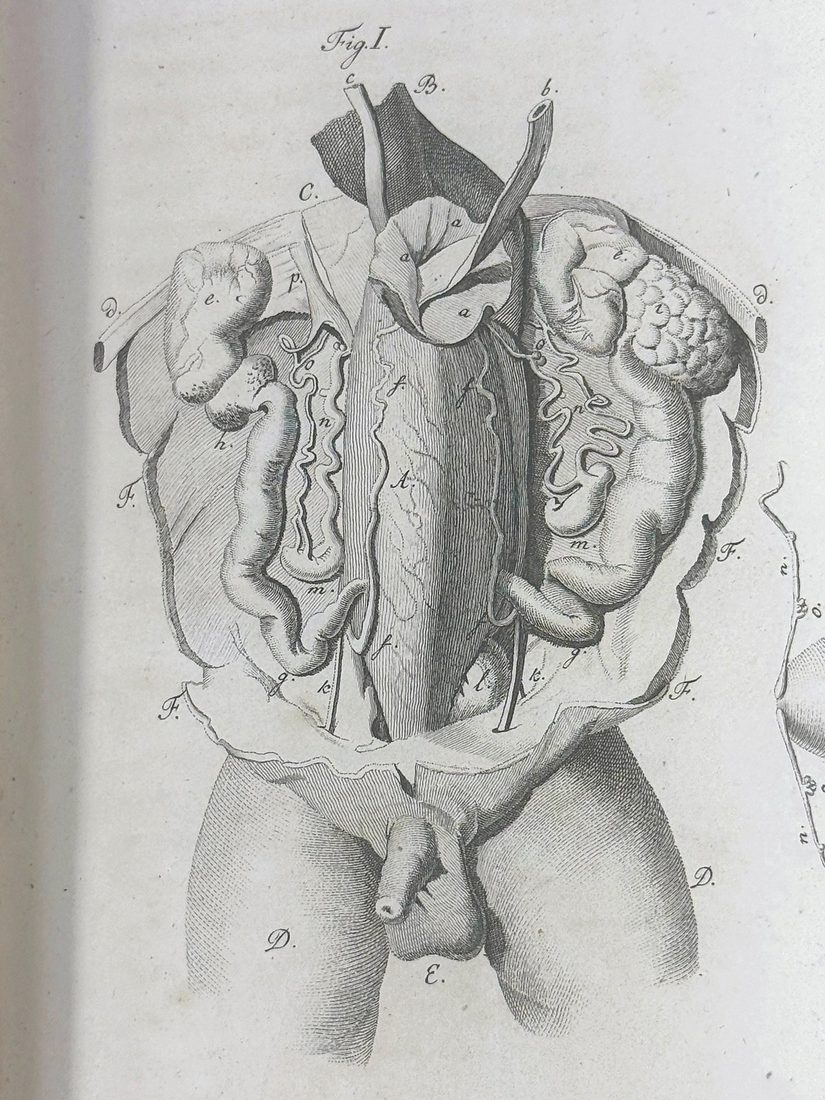
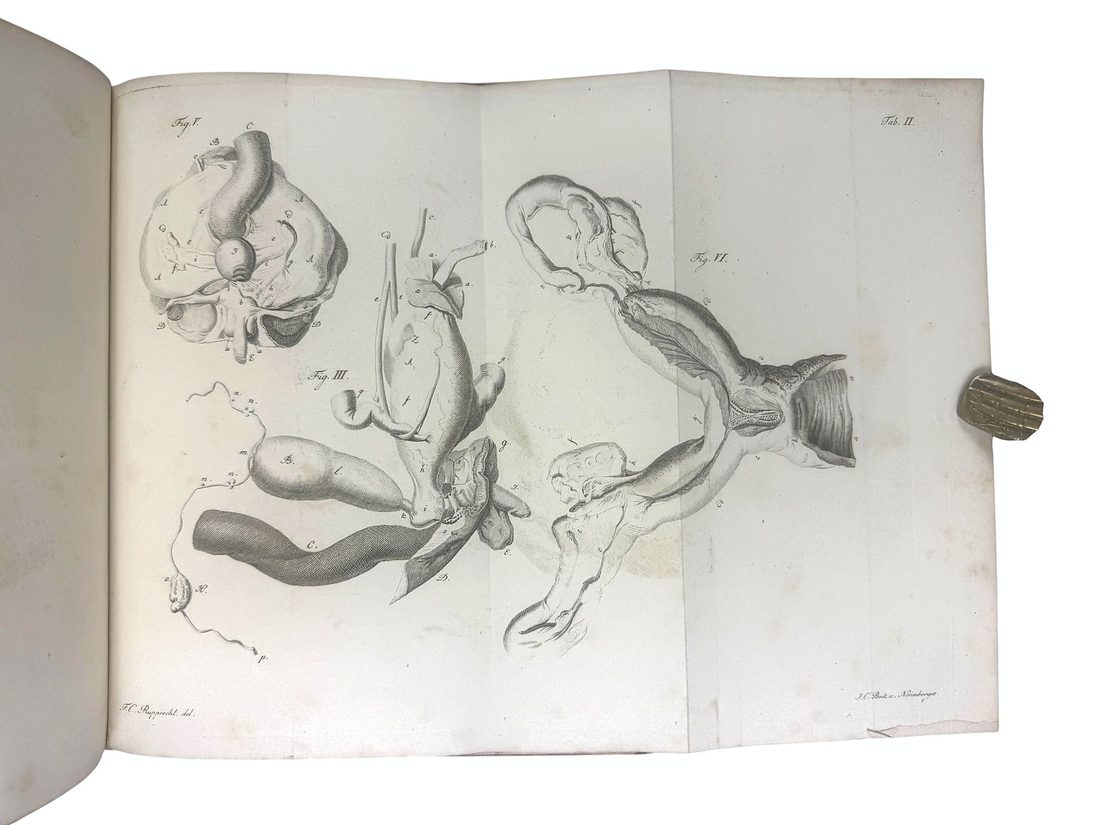
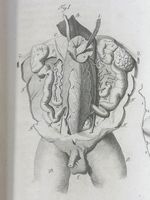
drawn from the dissecting table in its sole edition with two folding plates after Rupprecht
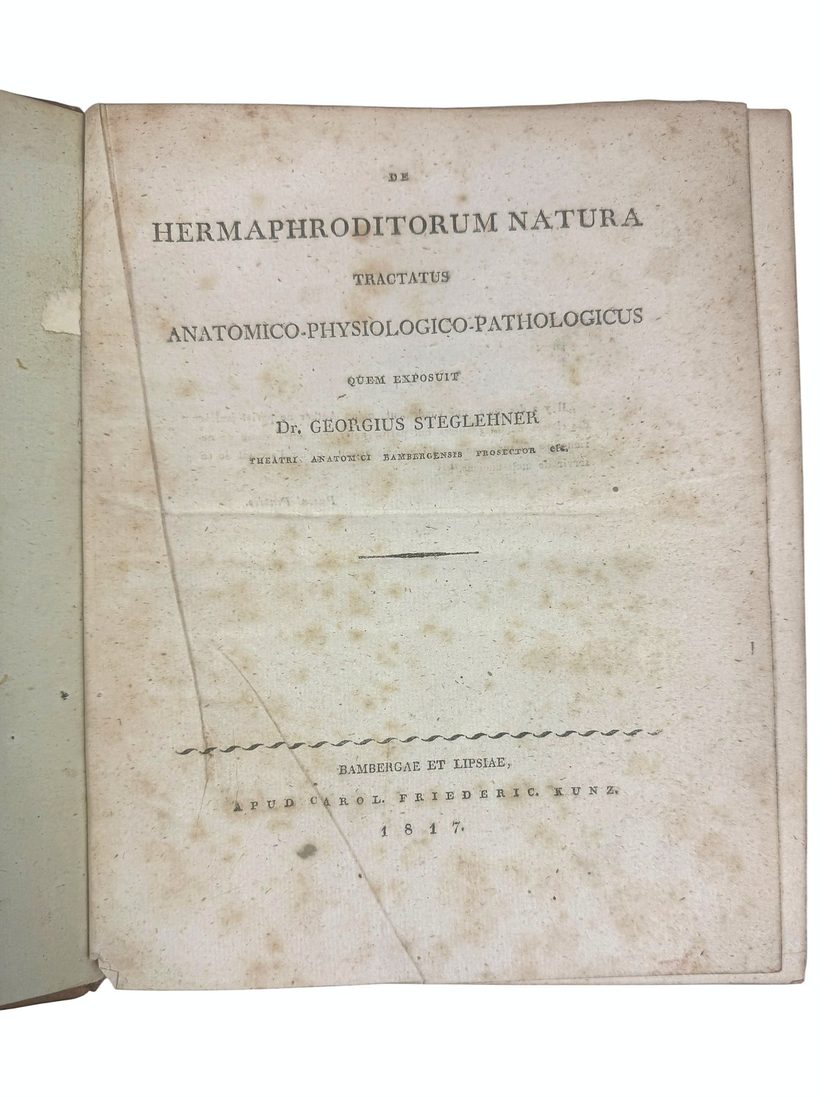
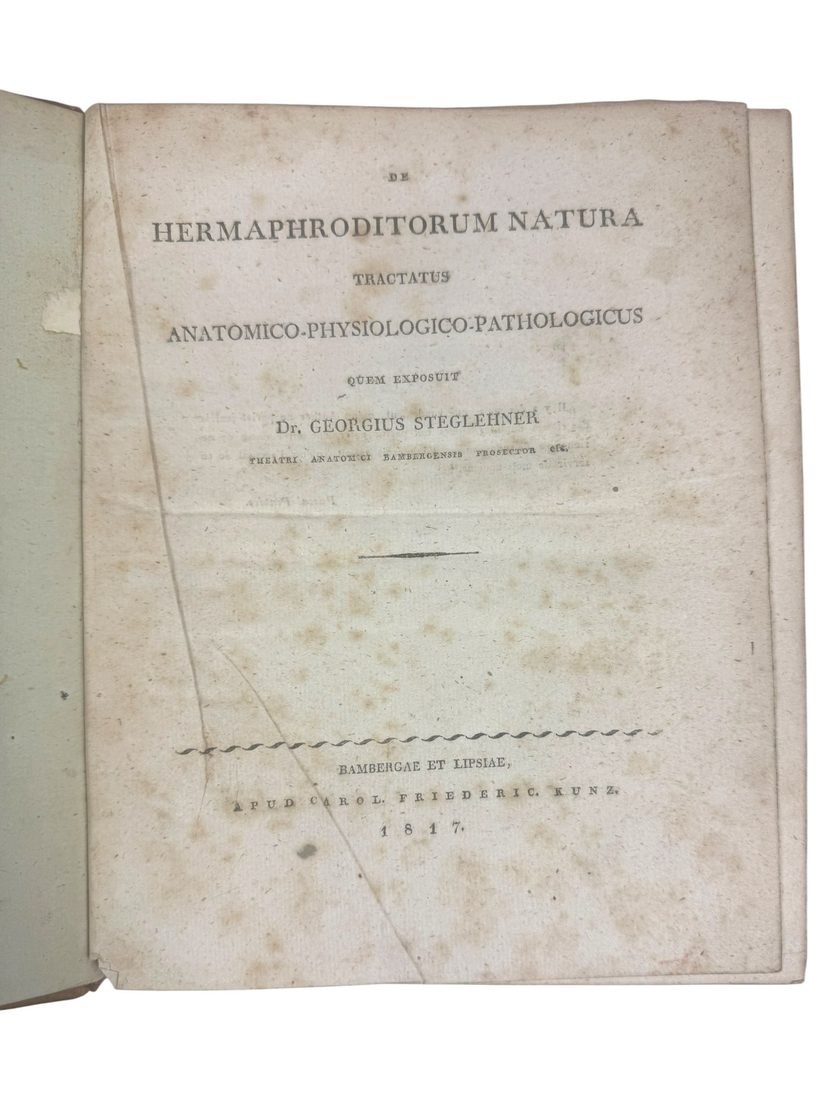
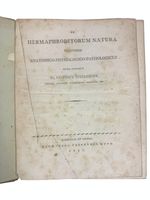
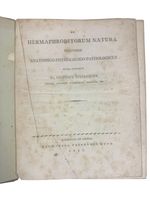
Steglehner, Georg. De Hermaphroditorum Natura. Tractatus anatomico-physiologico-pathologicus. Bambergae & Lipsiae [Bamberg & Leipzig], apud Carolum Fridericum Kunz [Carl Friedrich Kunz], 1817.
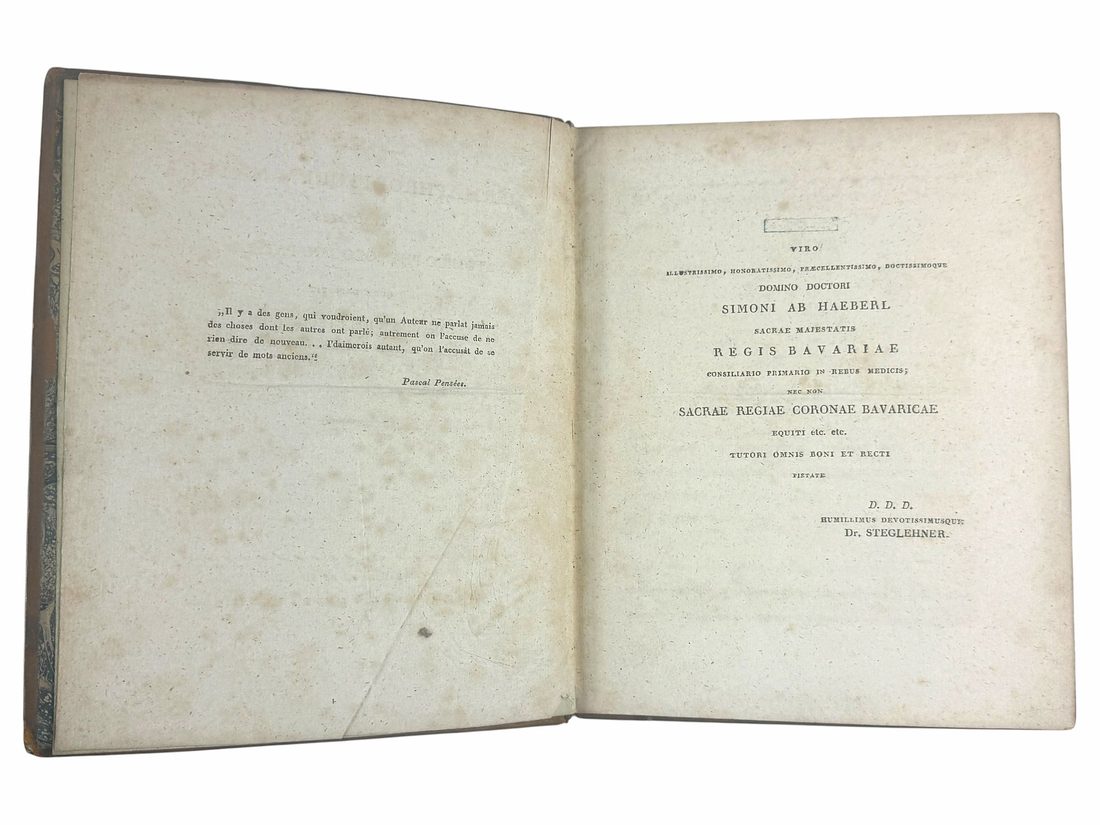
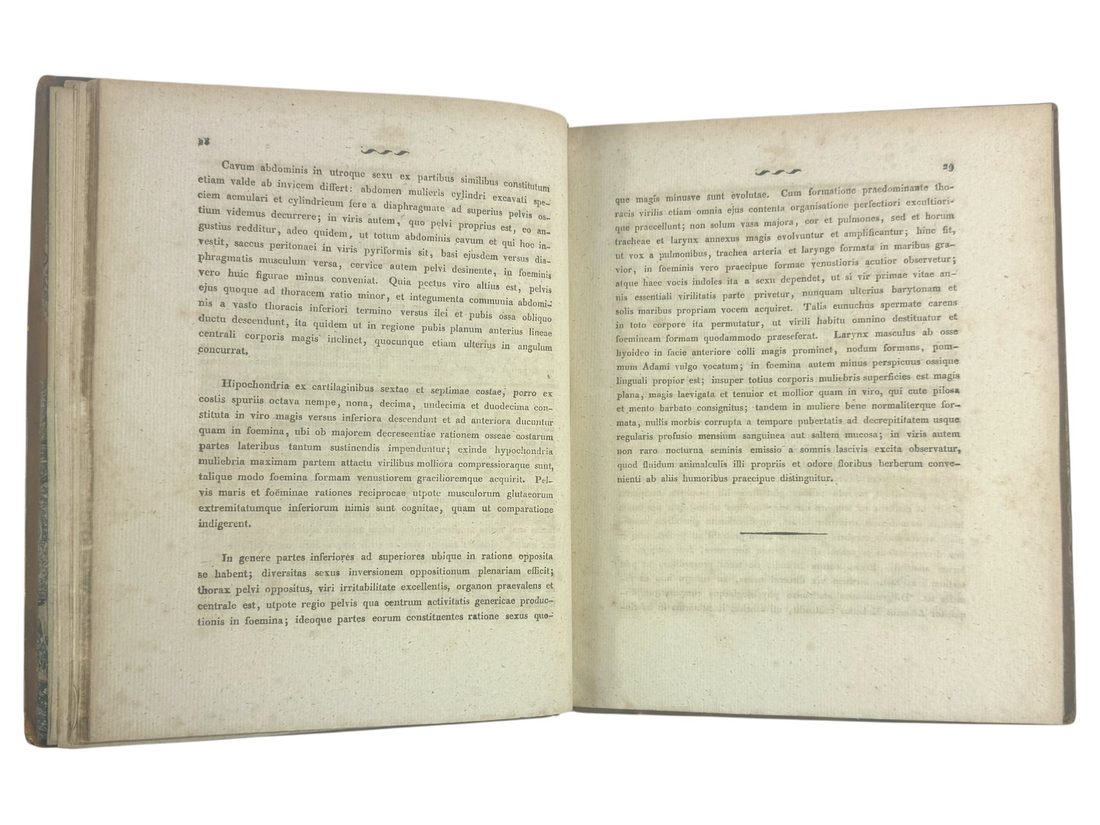
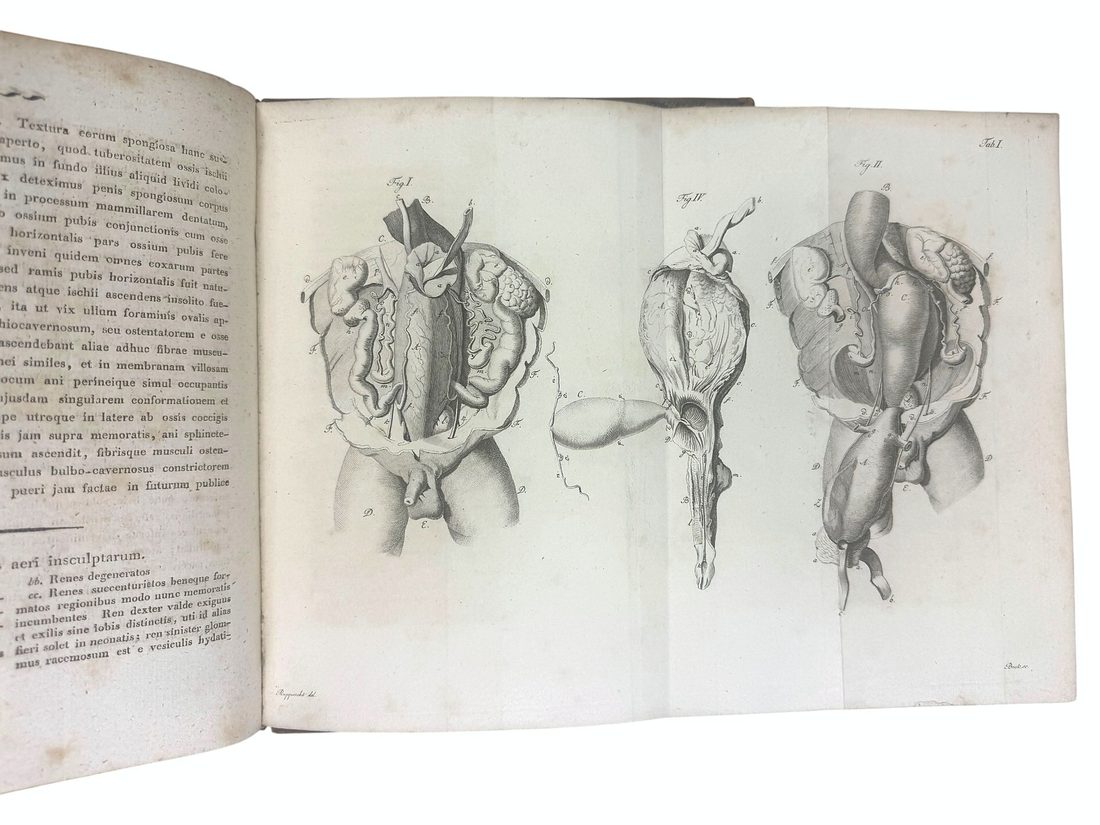
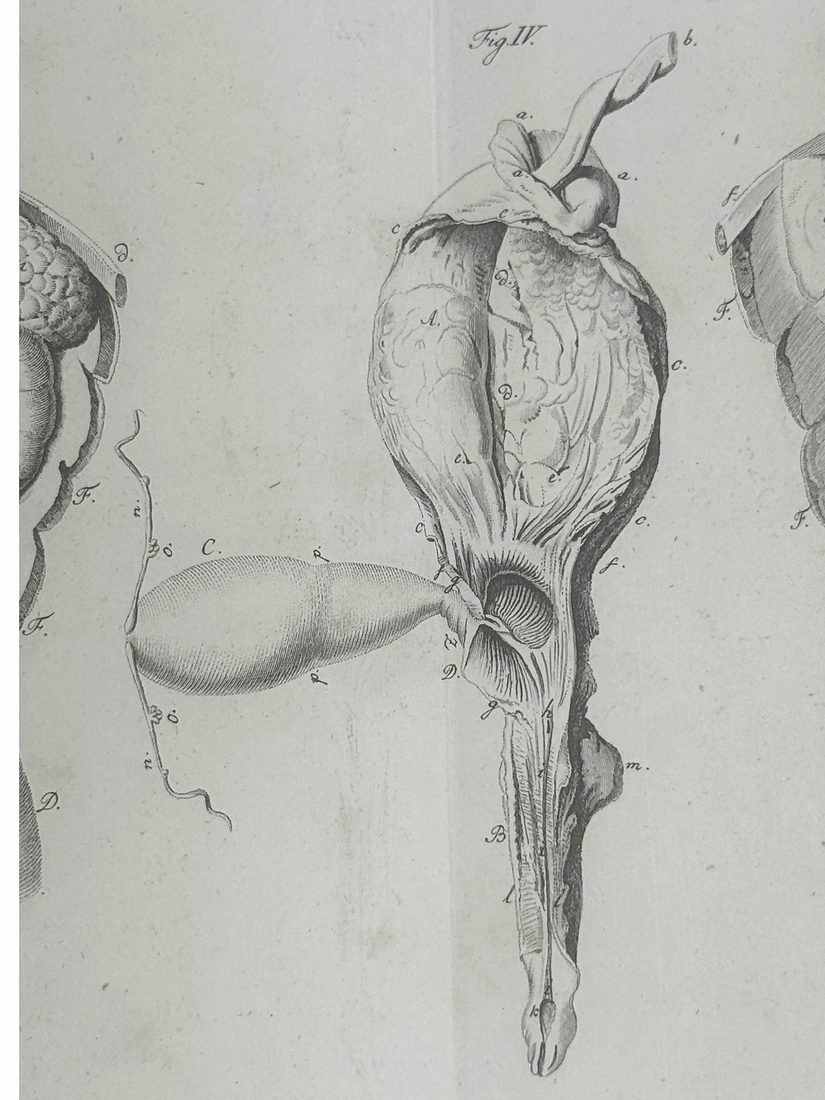
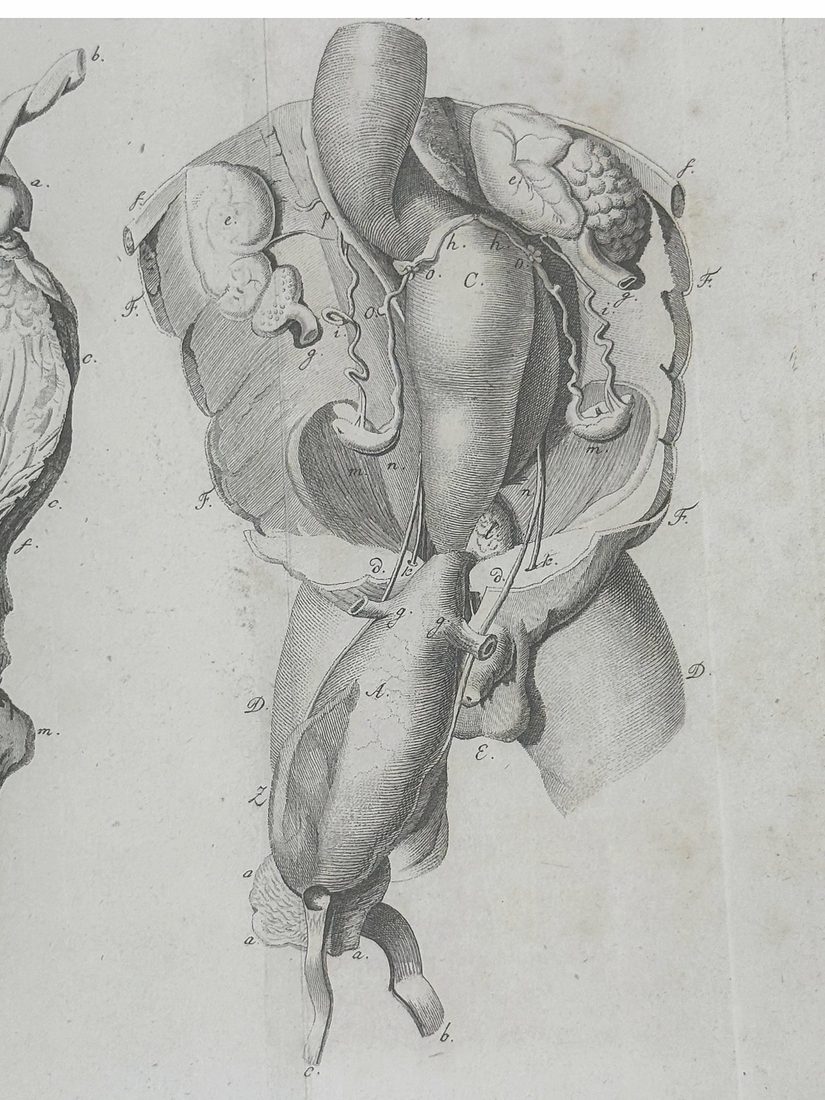
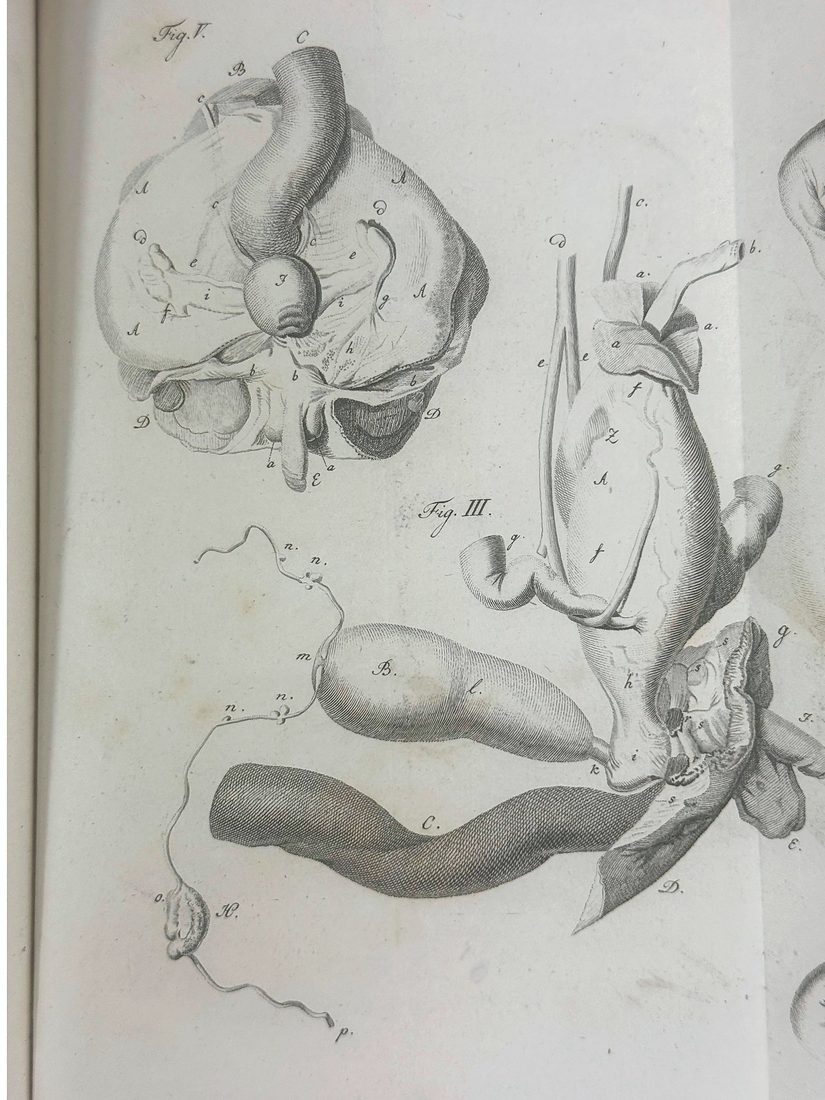
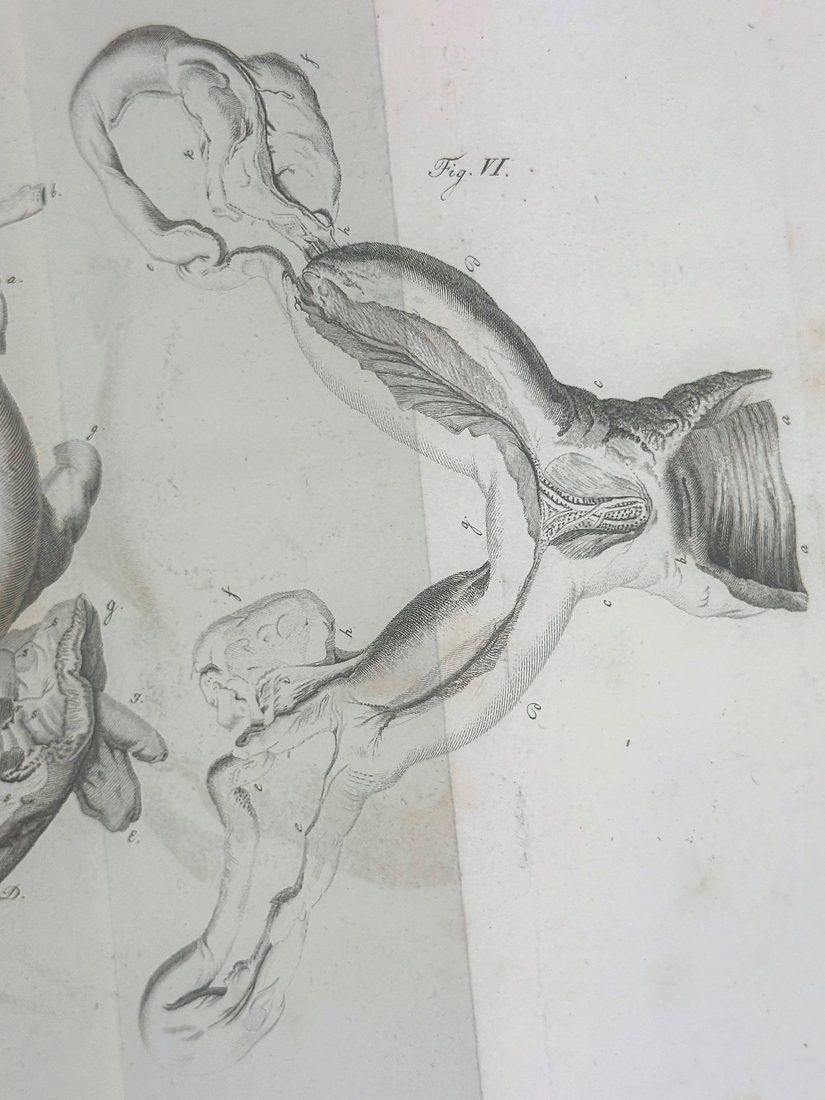
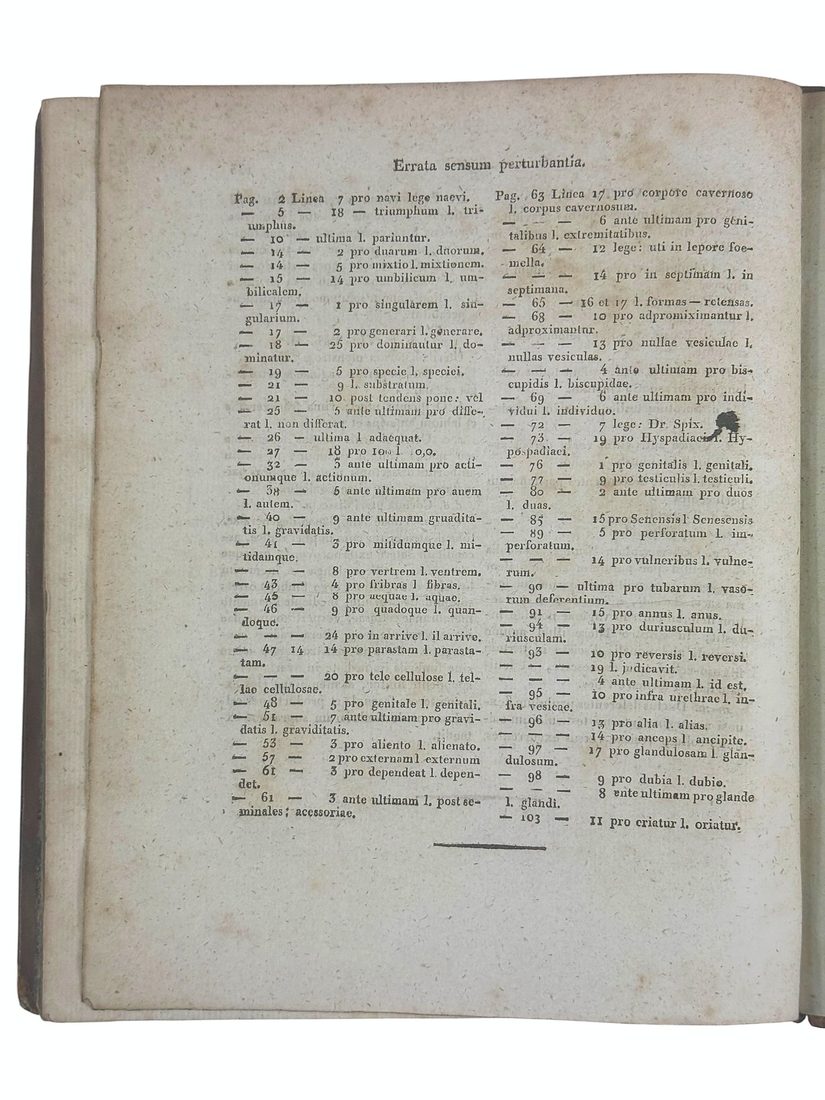
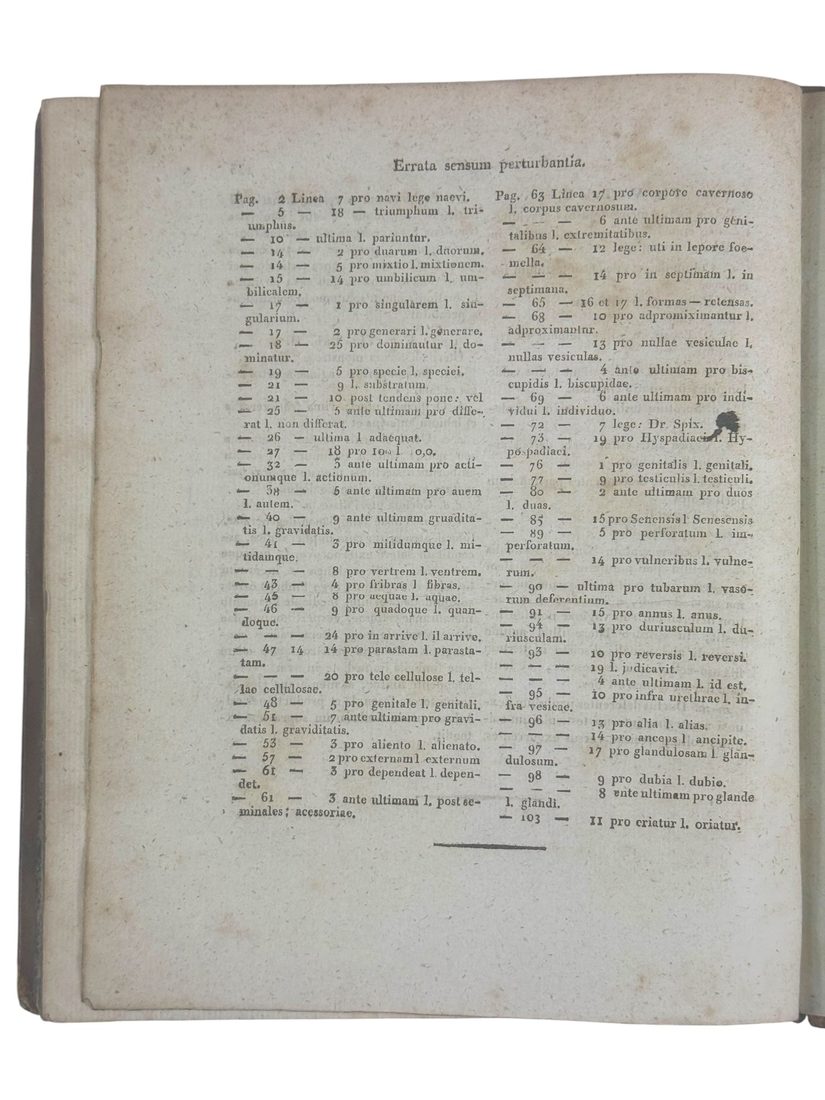
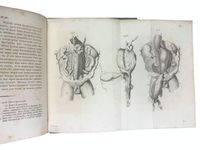
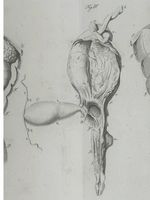
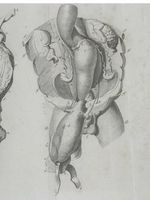
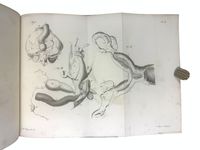
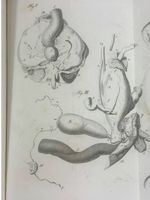
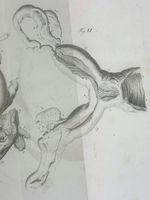
4to (235 × 192 mm), contemporary marbled sheep (basane marbrée), smooth spine with gilt decorations, boards framed by a gilt roll-tooled border, pp. VIII, 136. Text printed in Latin in Roman and Italic types. Two folding engraved plates by F. C. Bock after F. C. Rupprecht, depicting the genital organs of the cases examined. The leaf of Errata Sensum Perturbantia, an integral part of the textual apparatus, is here present and complete.
Rare first edition of Steglehner’s Latin treatise on the nature of hermaphroditism. Although hermaphroditism had been a recurrent subject of learned discussion since the sixteenth century, the work owes its place in the history of medicine to a single observation: the author’s account of a twenty-three-year-old of female appearance found at autopsy to possess two small testes and no internal female organs, now widely regarded as the first clinical description of the condition subsequently named Androgen Insensitivity Syndrome. As the sole edition, illustrated and issued at the height of German interest in intersex cases, it preserves in primary form an observation that anticipates by more than a century the endocrinological understanding of the condition.
The treatise is organised in three integrated registers, anatomical, physiological, and pathological, and the argument proceeds through these in sequence rather than treating hermaphroditism as a single undifferentiated phenomenon.
The anatomical portion establishes the morphology of the genital organs in the cases under study, supported by the two folding plates designed by Rupprecht and engraved by Bock, which discharged the same evidentiary office that wax casts and serial reports performed in the wider medical culture of the period.
The physiological and pathological discussions interpret these structures with regard to function and to departure from the expected sexual type. The decisive passage records an autopsy: in a subject of apparently female external appearance, aged twenty-three, the author found the internal female reproductive organs absent and two small testes present. This disjunction between outward feminine presentation and concealed testicular tissue is the feature that later authorities recognised as the clinical signature of Androgen Insensitivity Syndrome, also termed Testicular Feminization Syndrome.
Methodologically the work belongs to the empirical, autopsy-based current of early nineteenth-century anatomy, in which conclusions regarding sex were drawn from the dissected body and from the presence or morphology of the gonads rather than from external appearance or patient testimony alone. Its textual apparatus includes the Errata Sensum Perturbantia leaf, a corrective device of more than usual importance in a Latin technical text, where a single misprint could distort an anatomical description.
The treatise appeared at a moment when German medicine and Prussian law were jointly preoccupied with the problem of intersex bodies. Under the General State Laws for the Prussian States of 1794, individuals of indeterminate sex could elect to live as male or female upon reaching majority, and a class of “travelling medical specimens” arose, persons who granted the right to examine their bodies in return for payment and who carried portfolios of diagnostic reports between physicians. The author worked within this milieu: in the very year of publication he examined a celebrated intersex subject of his day, identified in the later literature with the figure known variously as Karl Dürrge and as Maria Dorothea Derrier, then a case under his hand in Bamberg, and reported a cystic uterus.
Within its discipline the work both inherits and departs from tradition. The general subject of hermaphroditism had been amply debated between the sixteenth and eighteenth centuries, and the treatise’s value lies less in its theme than in a particular observation that eluded earlier frameworks: a case irreducible to the older binary or “true hermaphrodite” categories then in dispute. The diffusion of such knowledge depended upon a Latin learned literature circulating across the German states and beyond, and these findings were cited in the later nineteenth-century compilations on human malformation and hermaphroditism.
Modern reviews of Androgen Insensitivity Syndrome trace the first description of the complete form to 1817, the year and substance of this autopsy report, assigning the book a documented place at the origin of a clinical entity not fully explained until the twentieth-century discovery of androgen-receptor dysfunction,
Georg Steglehner served as surgeon at the State Penitentiary in Bamberg and as a professor at the city’s Medical School, where he also taught at the municipal midwifery school. The title-page styles him Theatri Anatomici Bambergensis Prosector, prosector of the Bamberg anatomical theatre, a function consistent with the autopsy-centred method of the present treatise. This conjunction of penal, academic, and obstetric duties placed him at the institutional crossroads through which difficult cases of sexual ambiguity were routinely referred, and he was regularly consulted on hermaphroditism, examining several intersex individuals well known in his day.
Among his published output, De Hermaphroditorum Natura remains the work for which he is chiefly remembered, and it proved sufficiently authoritative to be cited by name in subsequent German monographs on hermaphroditism and malformation throughout the nineteenth century. No other major work is attributed to him. This book constitutes both his principal scholarly statement and the point at which his clinical practice with intersex subjects was distilled into enduring medical literature.
Conditions: The hinges are split and the upper headcap is wanting. The volume is otherwise complete, retaining both folding engraved plates and the Errata Sensum Perturbantia leaf.
References: Androgen Insensitivity Syndrome, in Science Direct Topics, Pharmacology, Toxicology and Pharmaceutical Science, noting the 1817 first description of the complete form; A. Batista et al., Androgen insensitivity syndrome: a review, PMC10118986, 2018.