De Vrinae significatione
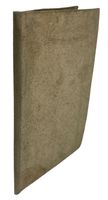
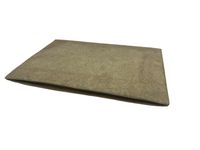
| Macro-category | Rare Books and Manuscripts |
| Subcategory | Medicine |
| Author | VALLA, GIORGIO |
| Place of printing | Strasbourg |
| Publisher / Maker | Henricum Sybold |
| Year | 1529 |
Rare 16th century work on uroscopy
the analysis of urine and its relation to health and disease
by the Italian Humanist Giorgio Valla
from the most important medical treatises from the past
First Edition, untrimmed
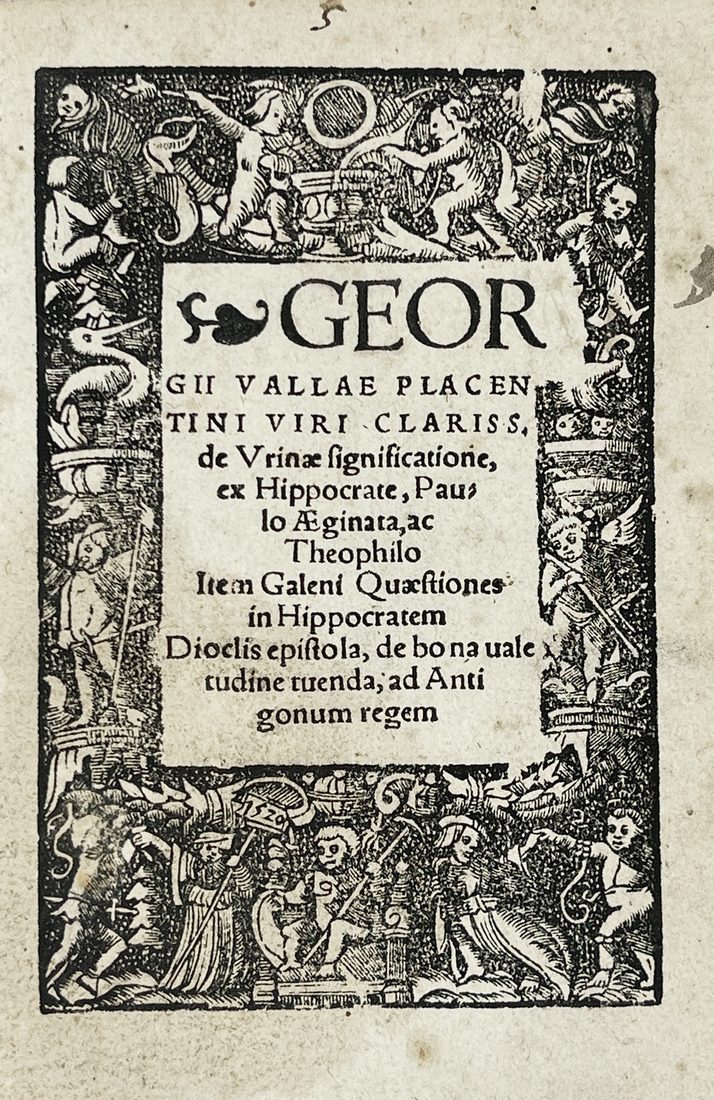
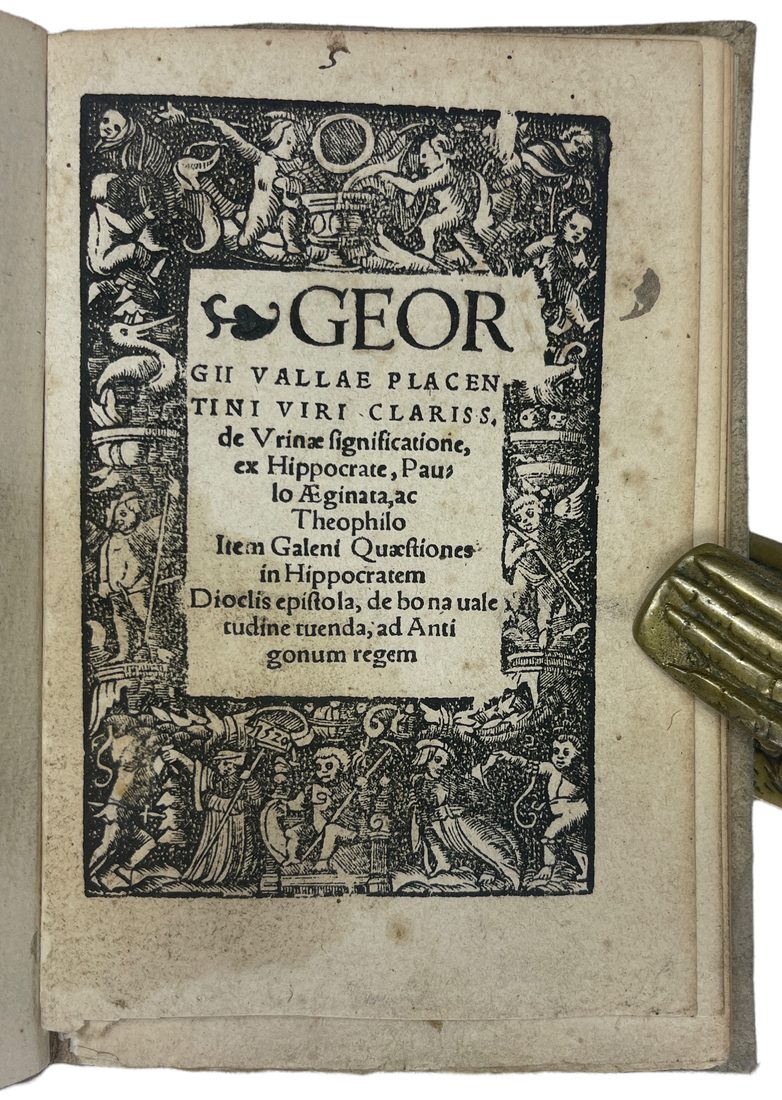
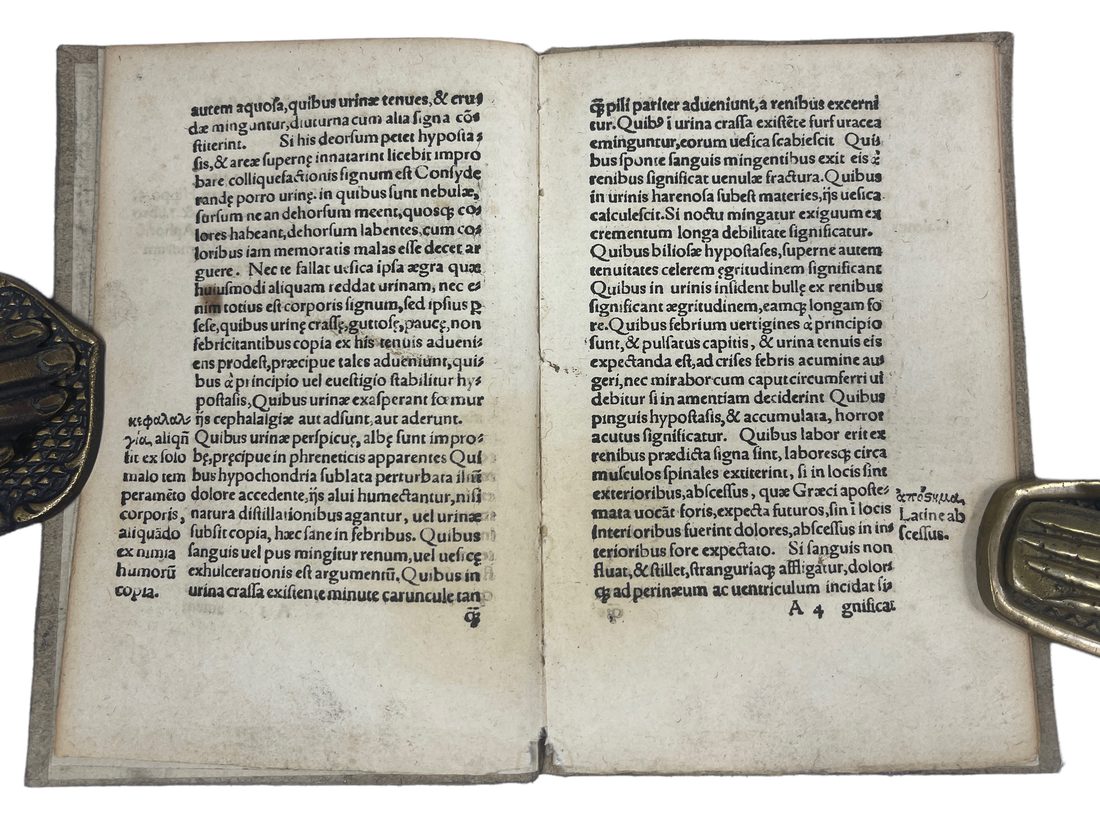
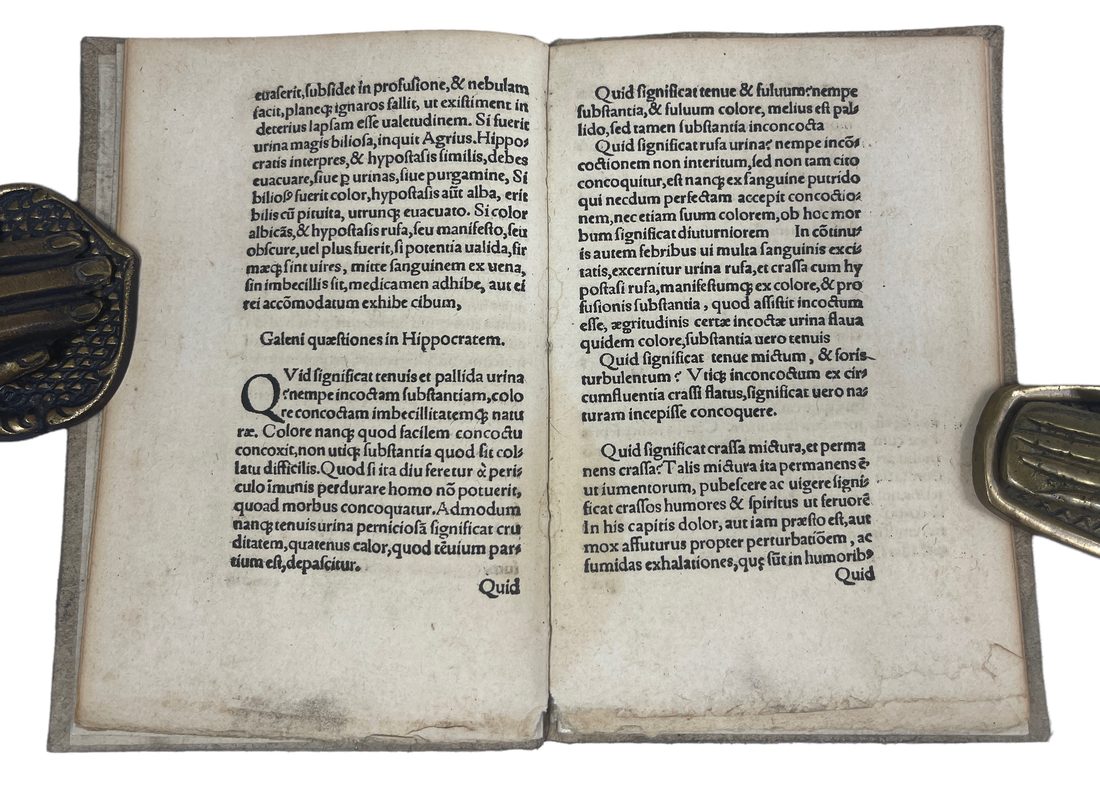
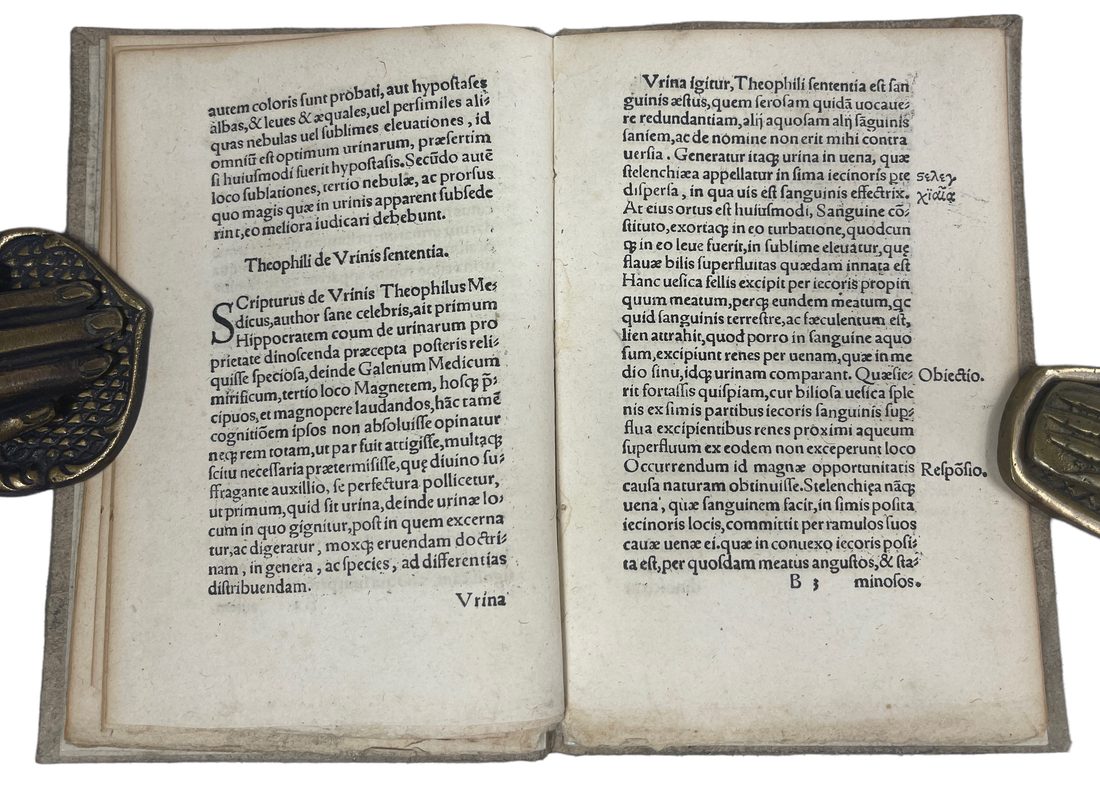
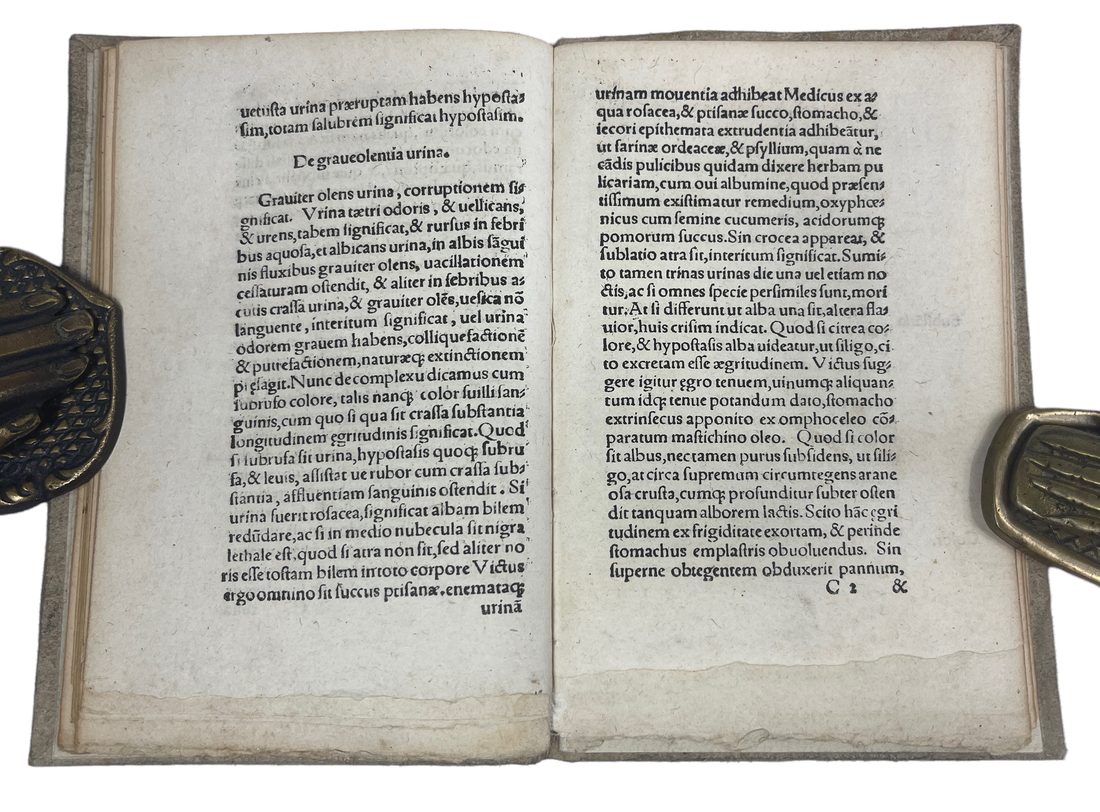
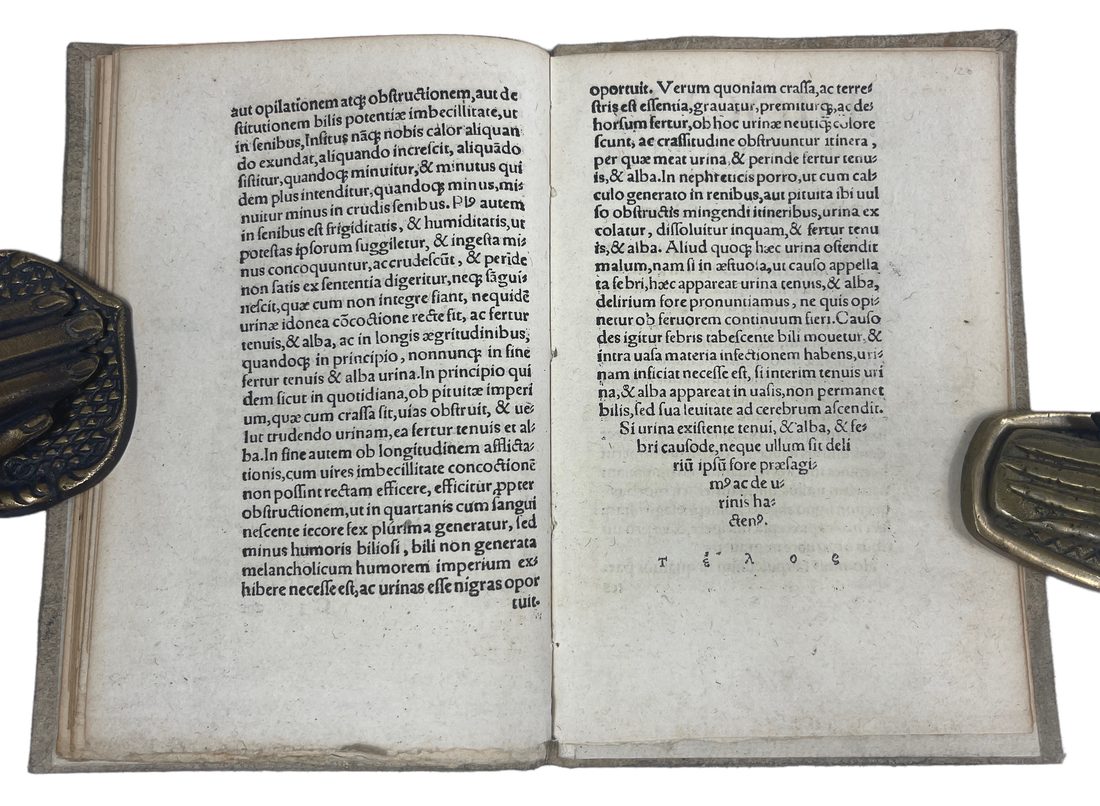
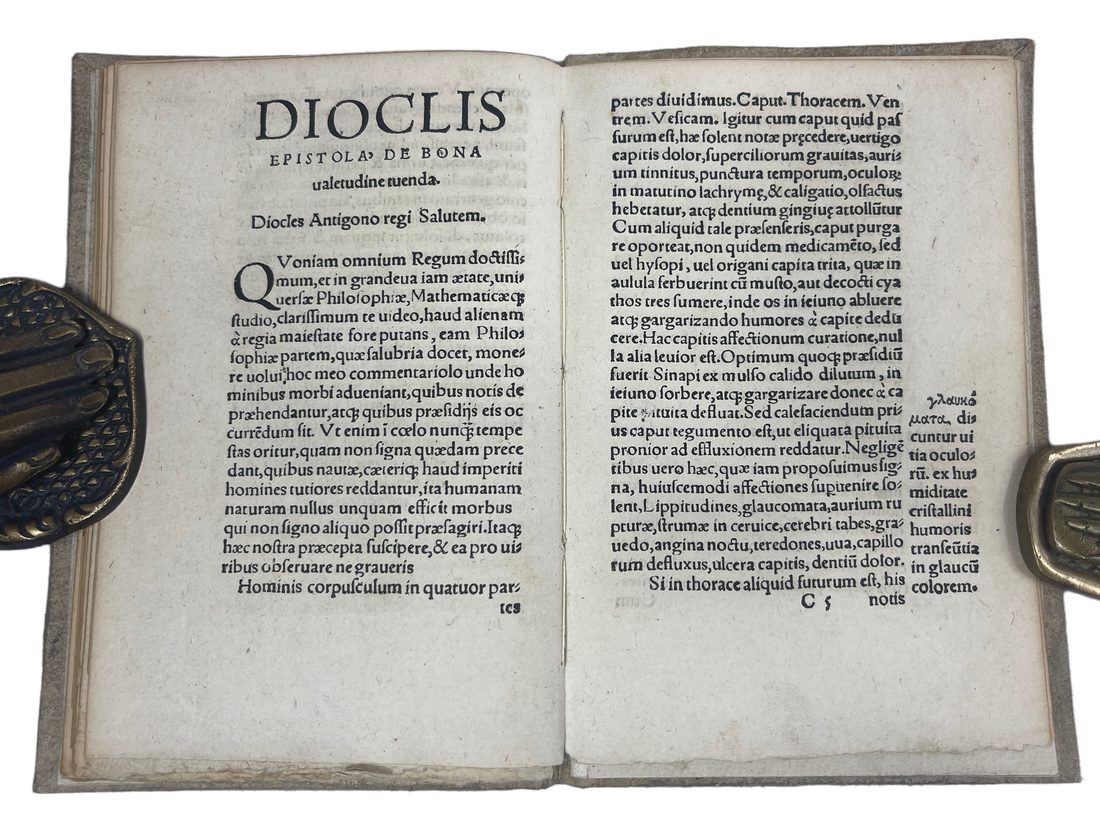
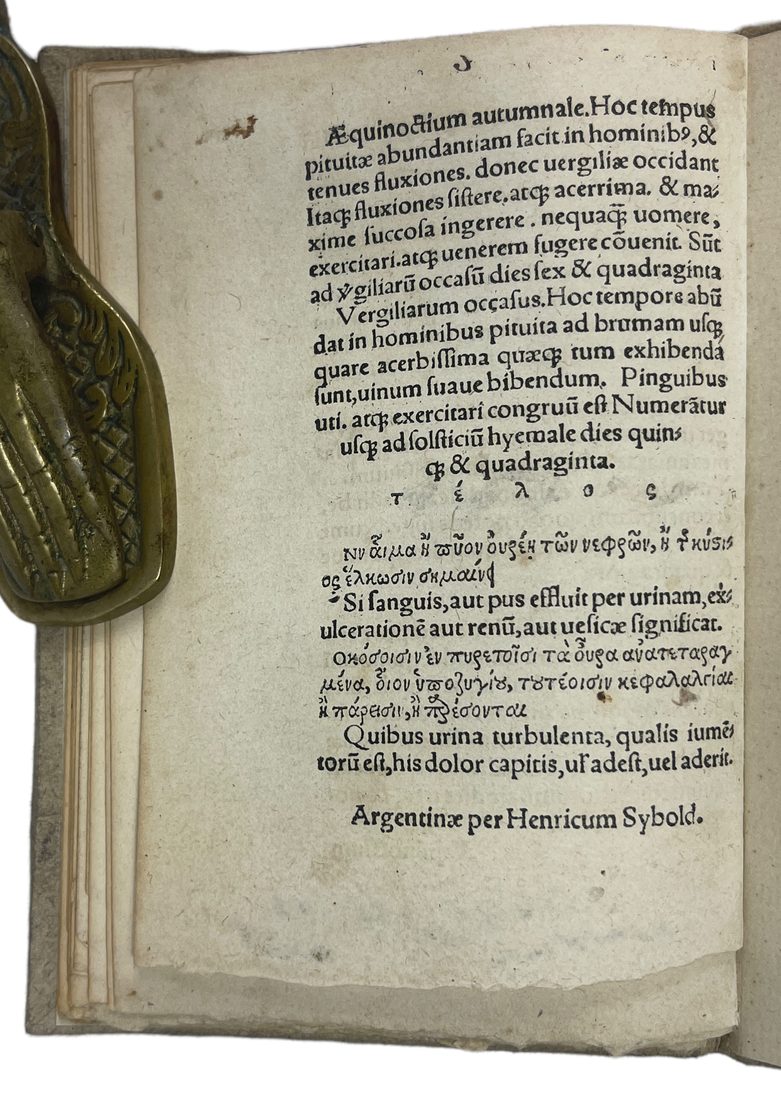
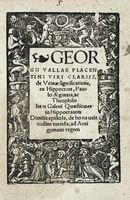
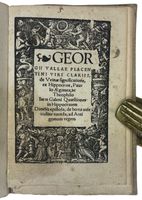
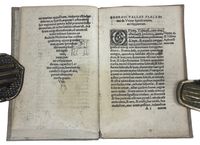
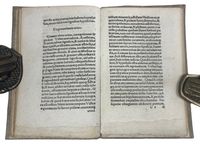
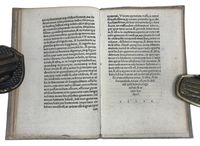
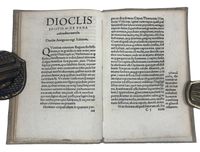
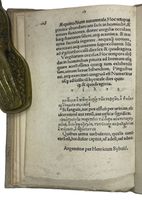
Valla, Giorgio, Georgii Vallae [...] De Vrinae significatione, ex Hippocrate, Paulo Aeginata, ac Theophilo. : Item Galeni Quaestiones in Hippocratem. Dioclis Epistola, de bona valetudine tuenda, ad Antigonum Regem. Argentine [Strasbourg]: Per Henricum Sybold, [1529].
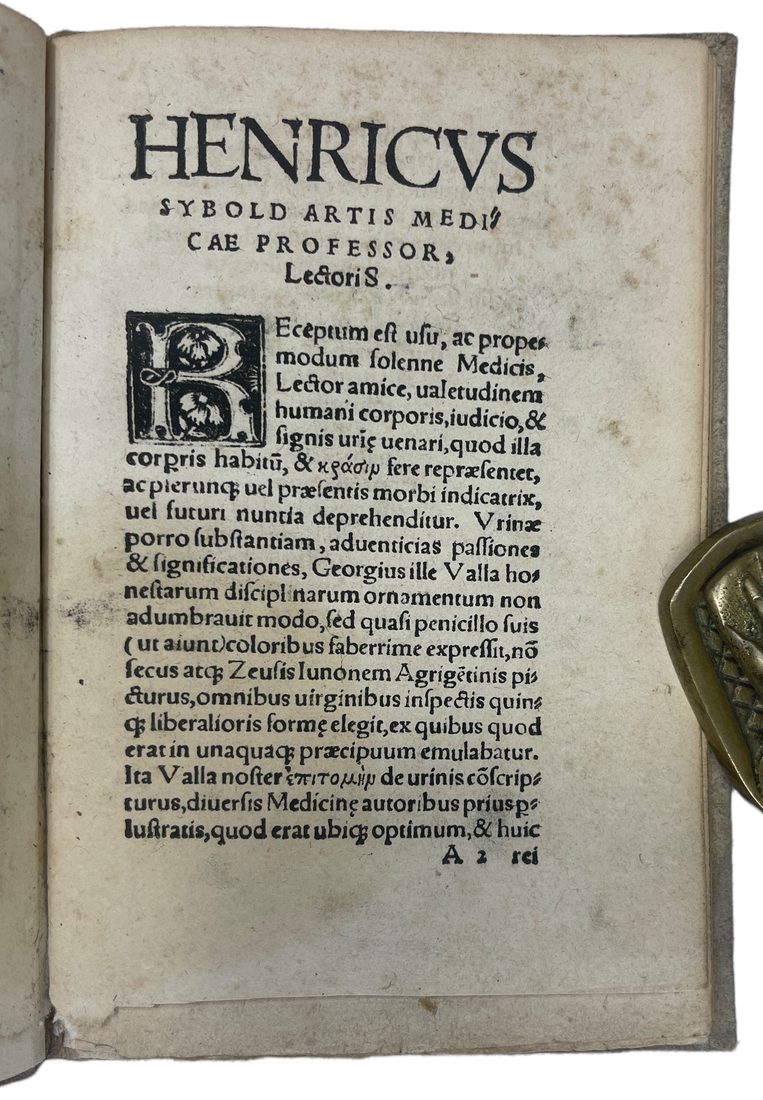
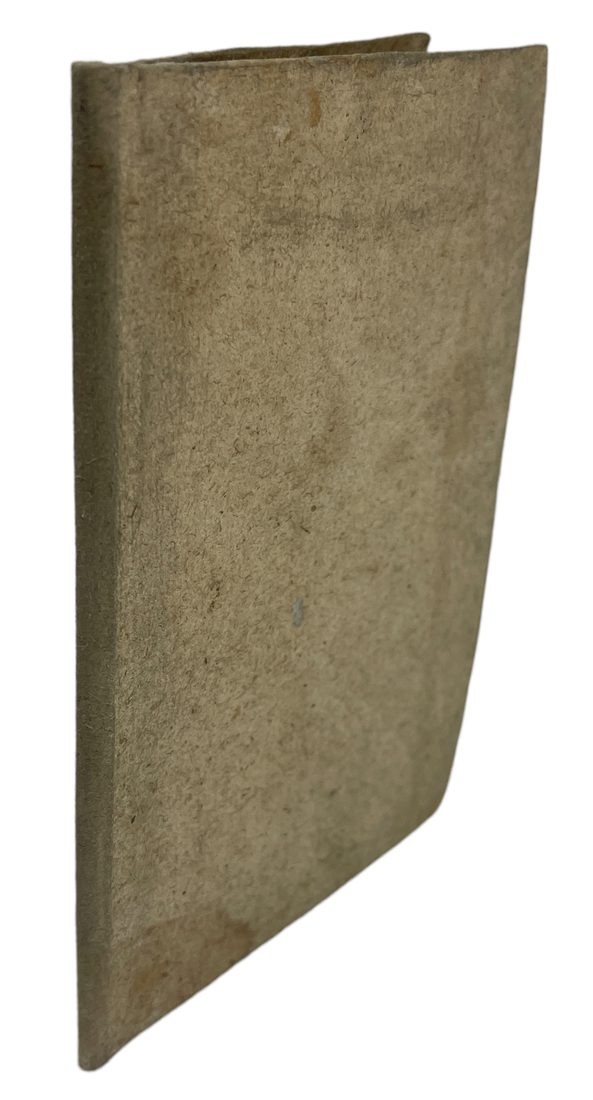
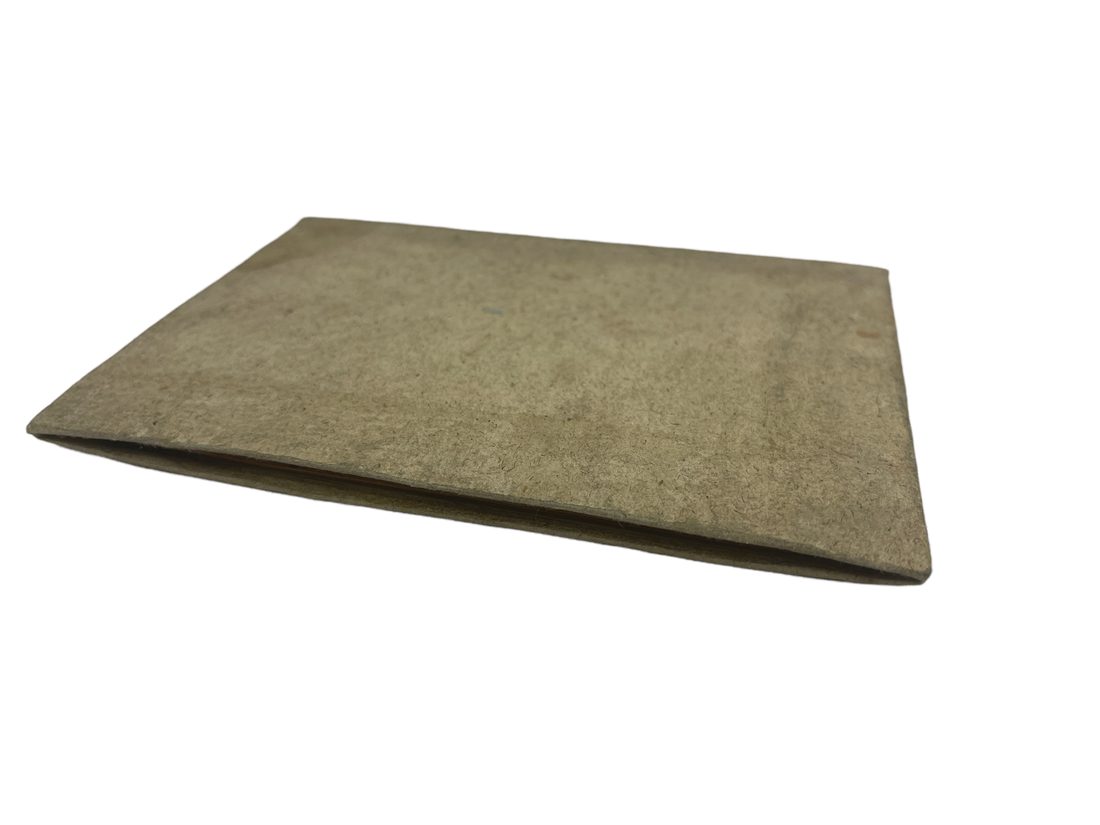
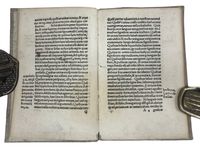
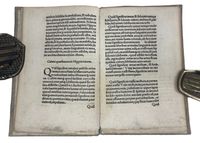
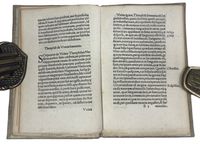
8vo (15 x 10 cm), untrimmed copy, original printer wrappers, pp. [46], signature A-C7, title with decorative woodcut border of putti, woodcut initials imprint; date supplied from British Museum. Short-title catalogue of books printed in the German-speaking countries ... from 1455 to 1600. London, 1962, p. 883.
Rare and important collection of medical text about the analysis of urine and its relation to human health, translated by the renowned Italian Humanist Giorgio Valla from text by Galen, Hippocrates, Paulo Aegineta, Theophilus Medicus.
At the end of the book, we find the Epistola de bona valetudine tuenda, (Letter on the Preservation of Health) written by Diocles of Carystus, the well-regarded Greek physician, said to be second only to Hippoctates, to Antigonus, the king of Asia, concerning “the prognosis of the diseases, and extemporaneous remedies for the same through garden herbs”.
Giorgio Valla (1430 - 1499) was an Italian physician and mathematician who practised in Milan, Venice, Padua; he belonged to the cultural circle of Ermolao Barbaro and held a professorship of grammar and rhetoric at the Scuola di San Marco (Venice) from 1485 until his death.
The studies conducted on an impressive amount of Greek and Latin codes and a solid training both in the humanities and in the sciences are the basis of the project pursued by Valla to bring together in a single volume the entire system of the arts: in 1501 it was printed posthumously a monumental encyclopedic work in forty-nine books, in Latin, entitled De expetendis et fugiendis rebus, intended to exhaust all branches of knowledge (from mathematics to astronomy, from medicine to economics, from philosophy to rhetoric, up to music) based on the works of large number of authors, mostly Greek, on whom the author had exercised his assiduous activity as a translator and exegete. Valla is the author of numerous other works on philosophy, rhetoric, and medicine, and among them, the present treatise.
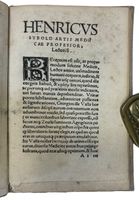
Henricum Seybold, a professor of medicine as well as a printer, printed several medical texts, all of which are rare.
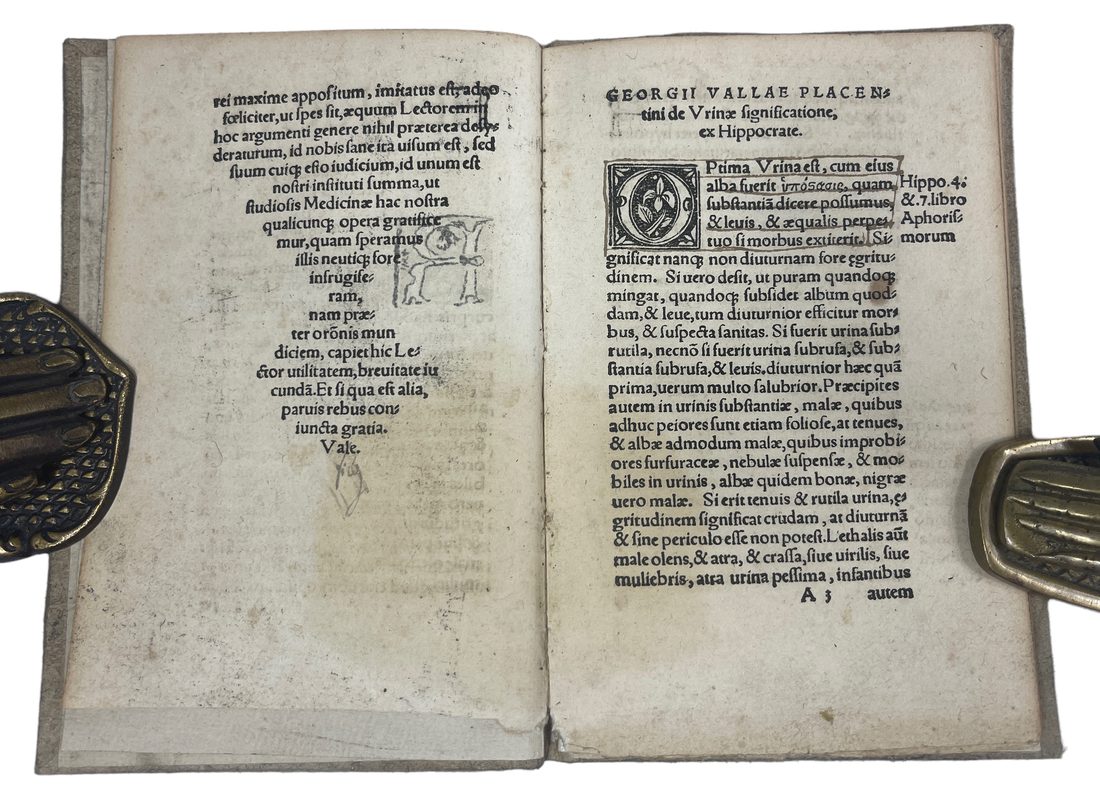
Conditions: light staining to title and first few leave, final blank missing; lower edge uncut.
Provenance: old ink underlining to first few lines and tracing of initial to verso of
Dedicatory letter.
References: Adams, V150; Durling, 4488; Not in Wellcome, Osler or Graesse.