Parlor Marionette Theater


| Macro-category | Ancient Games and Pre-cinema |
| Subcategory | Objects & Curiosities |
| Provenance | France |
| Publisher / Maker | circa 1880–1885 |
| Year | 1880 |
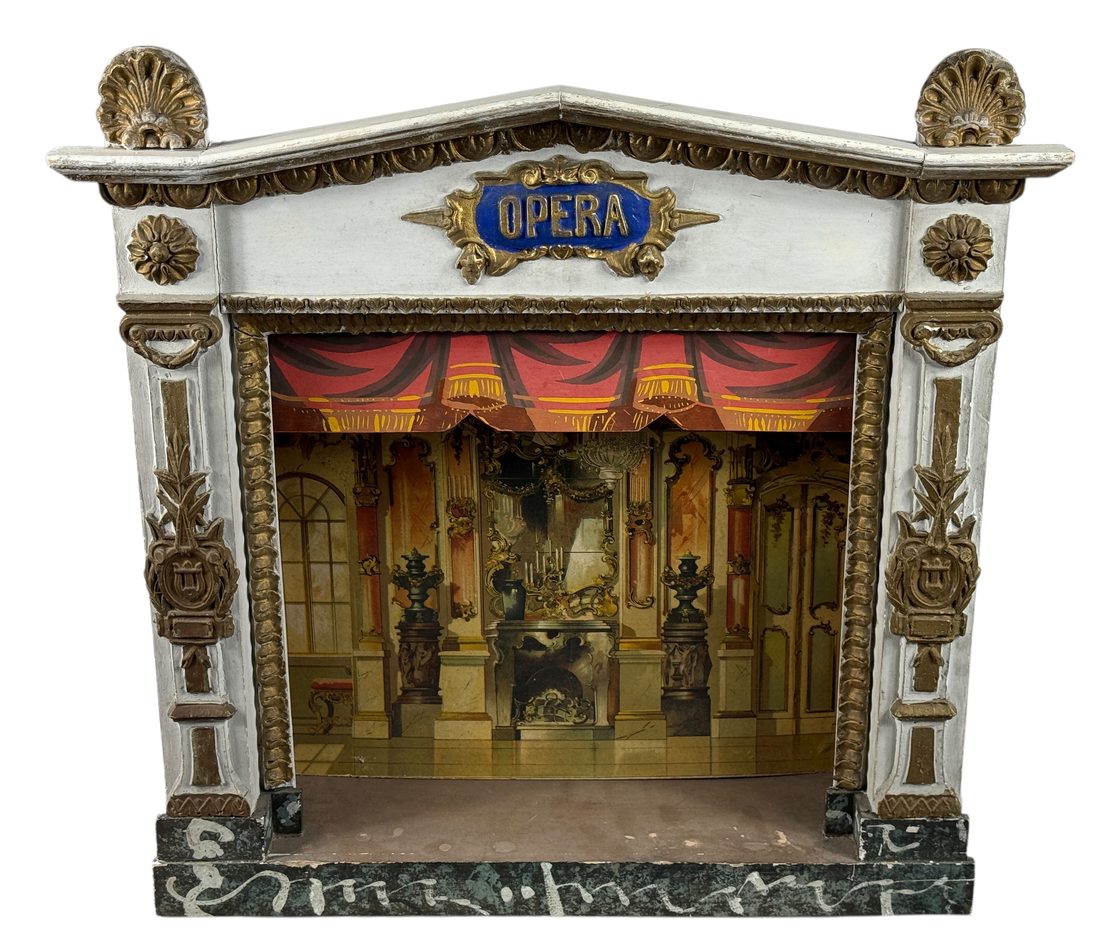
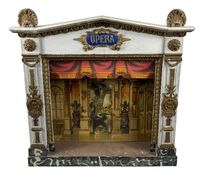
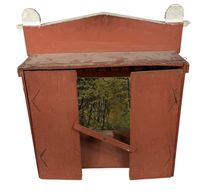
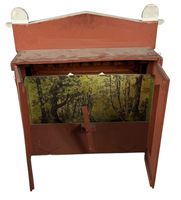
a rare Parlor Marionette Theater
a miniature “Opéra” with original puppets and sets:
elegance and refinement in the art of puppetry
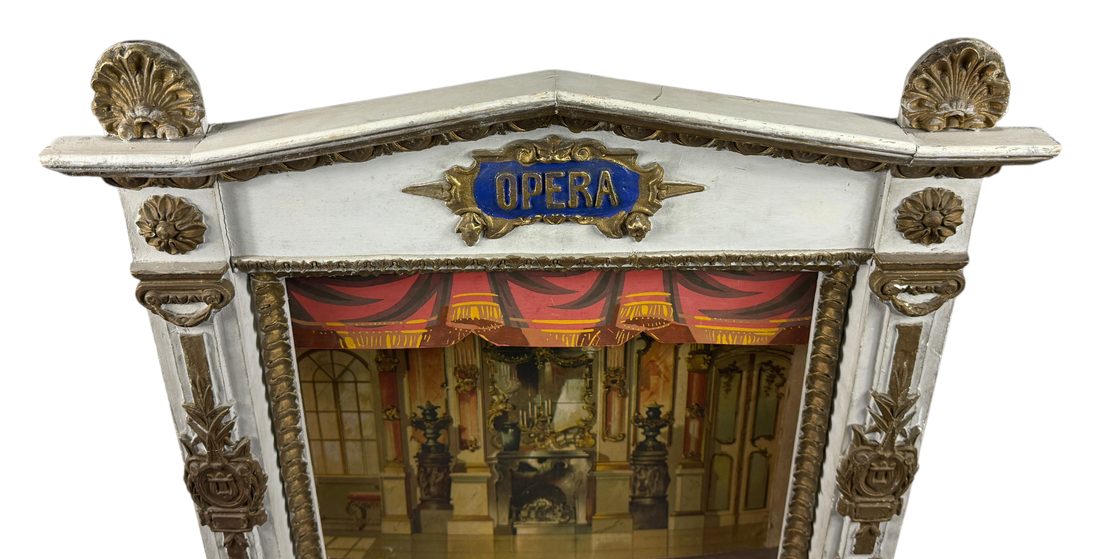
Opéra. France, circa 1880–1885.
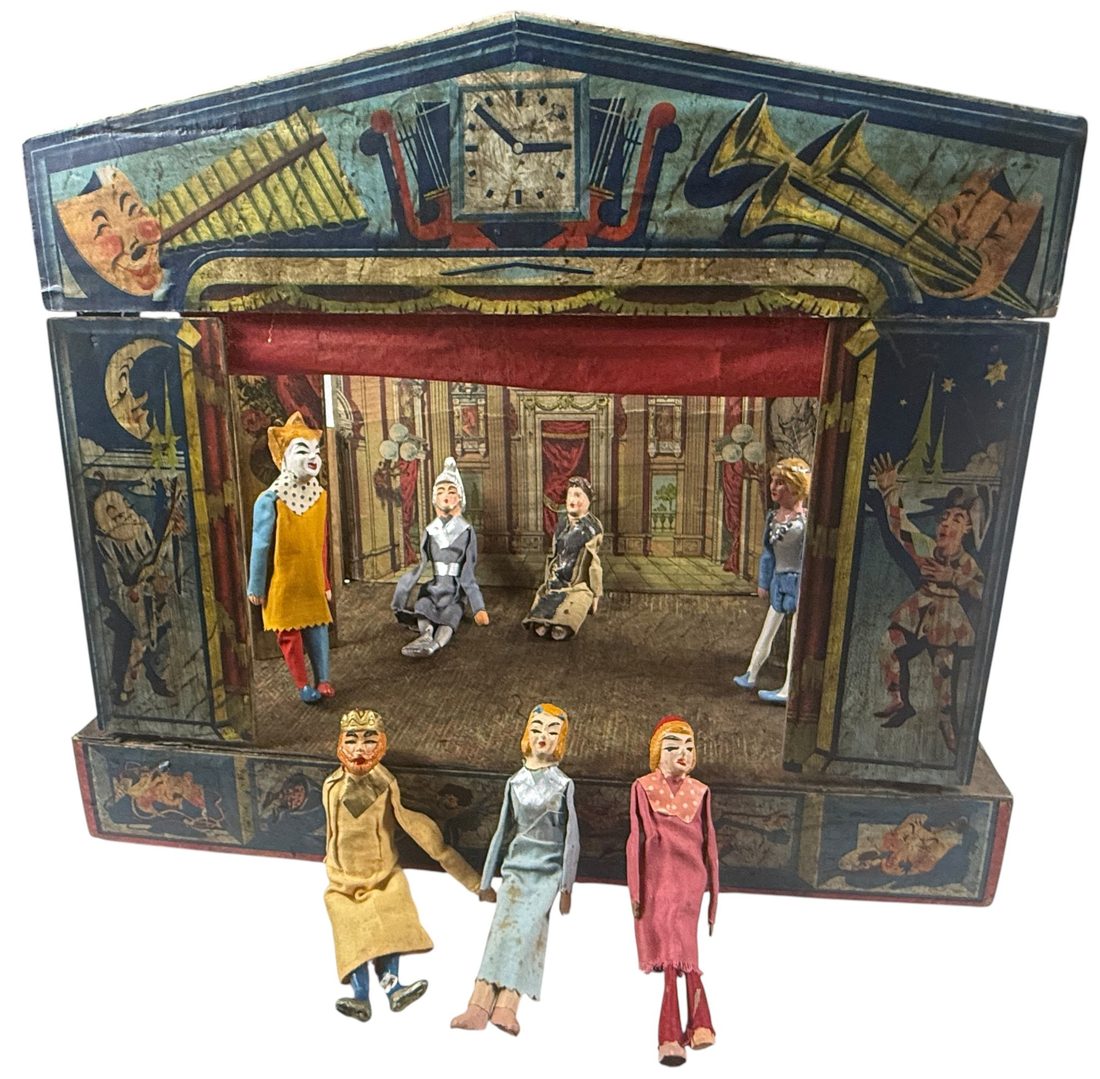
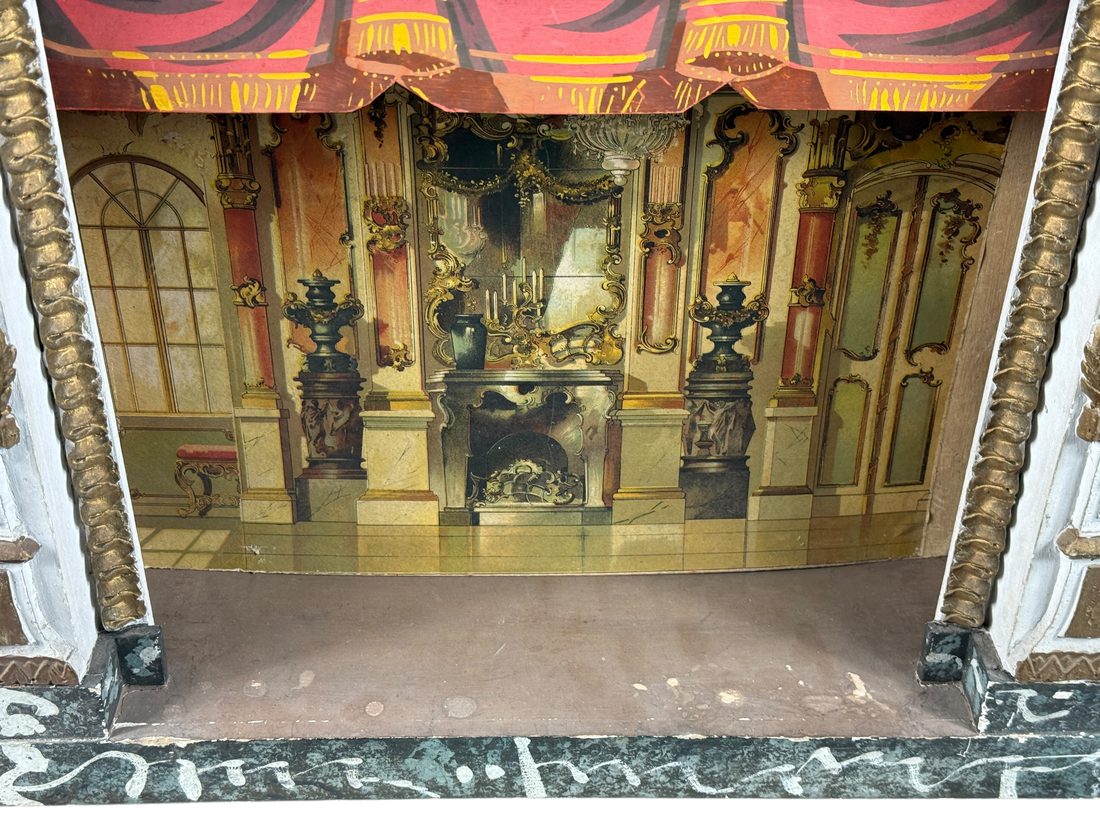
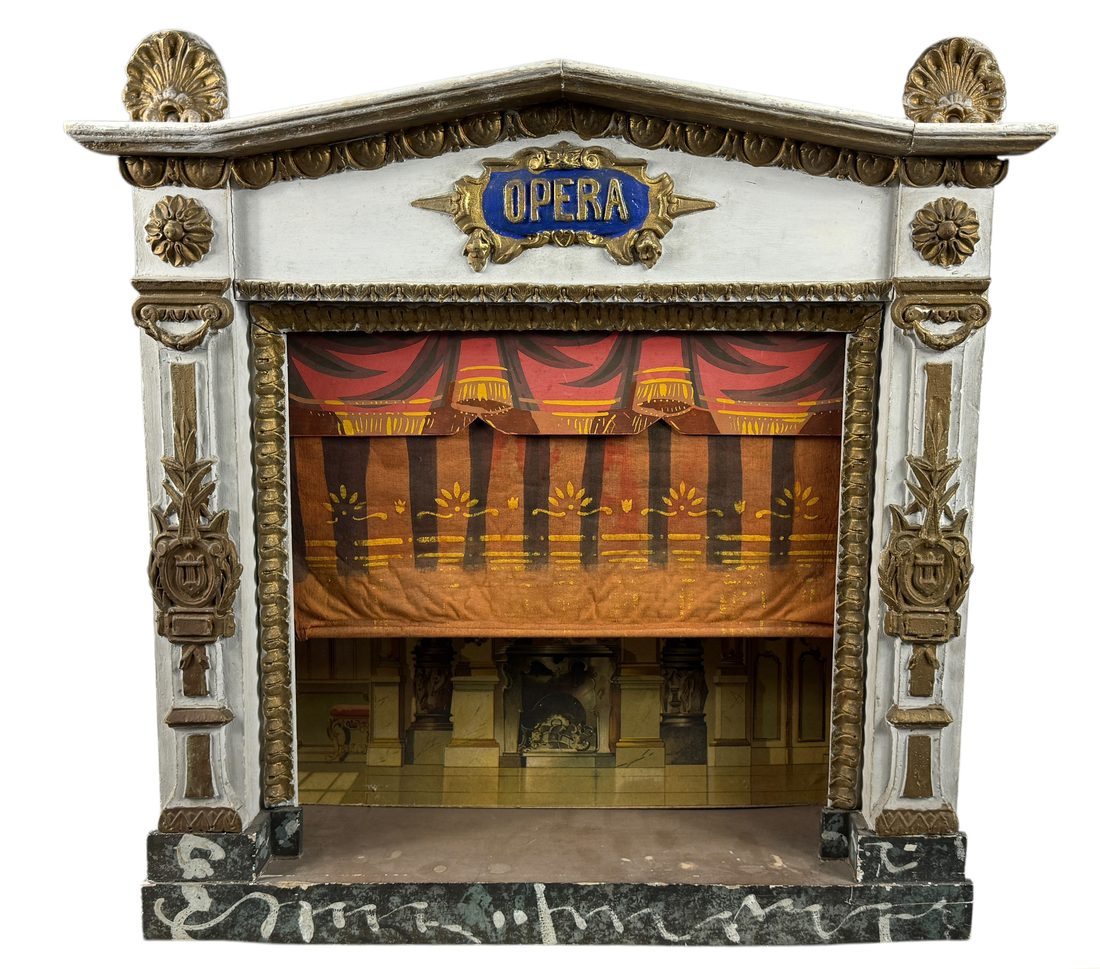
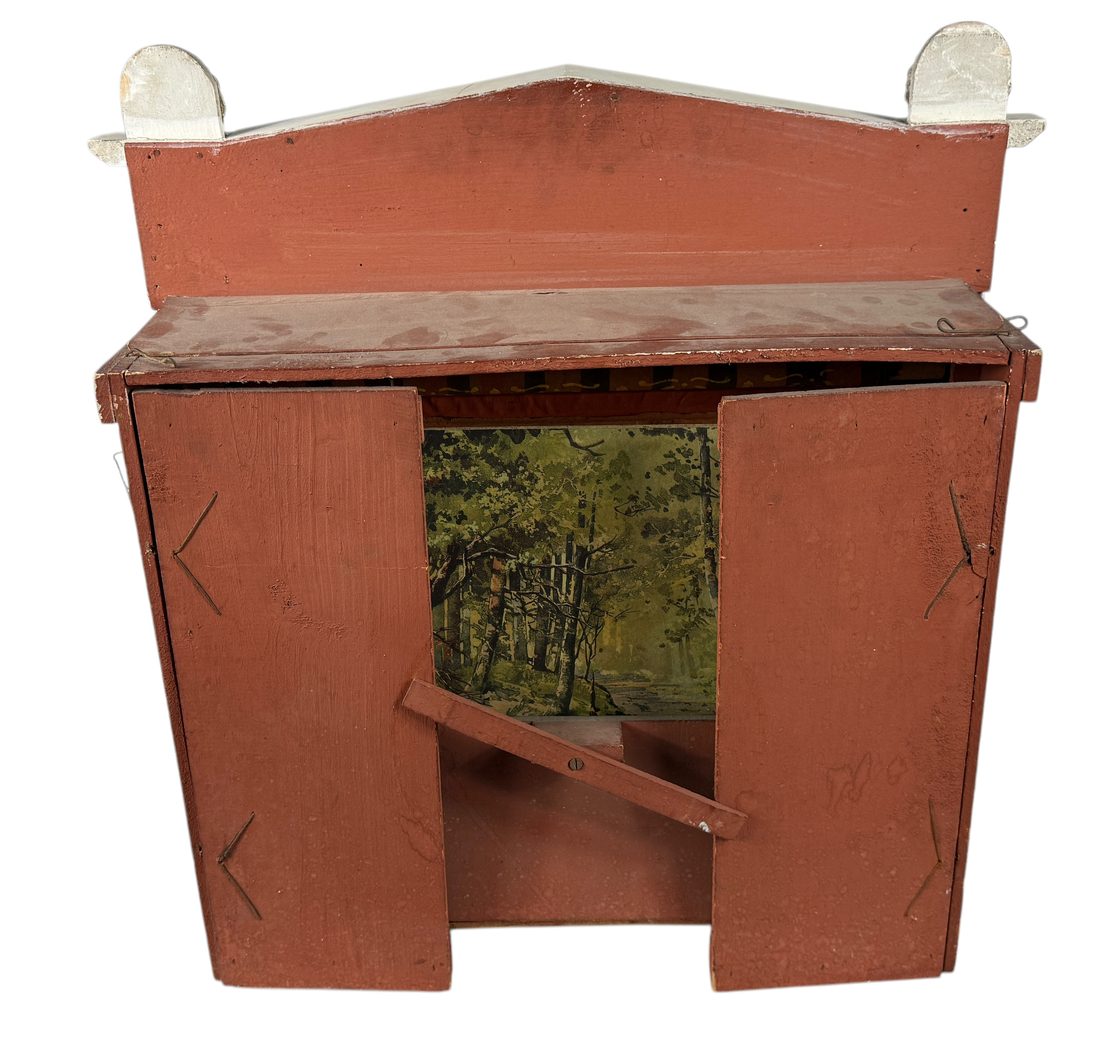
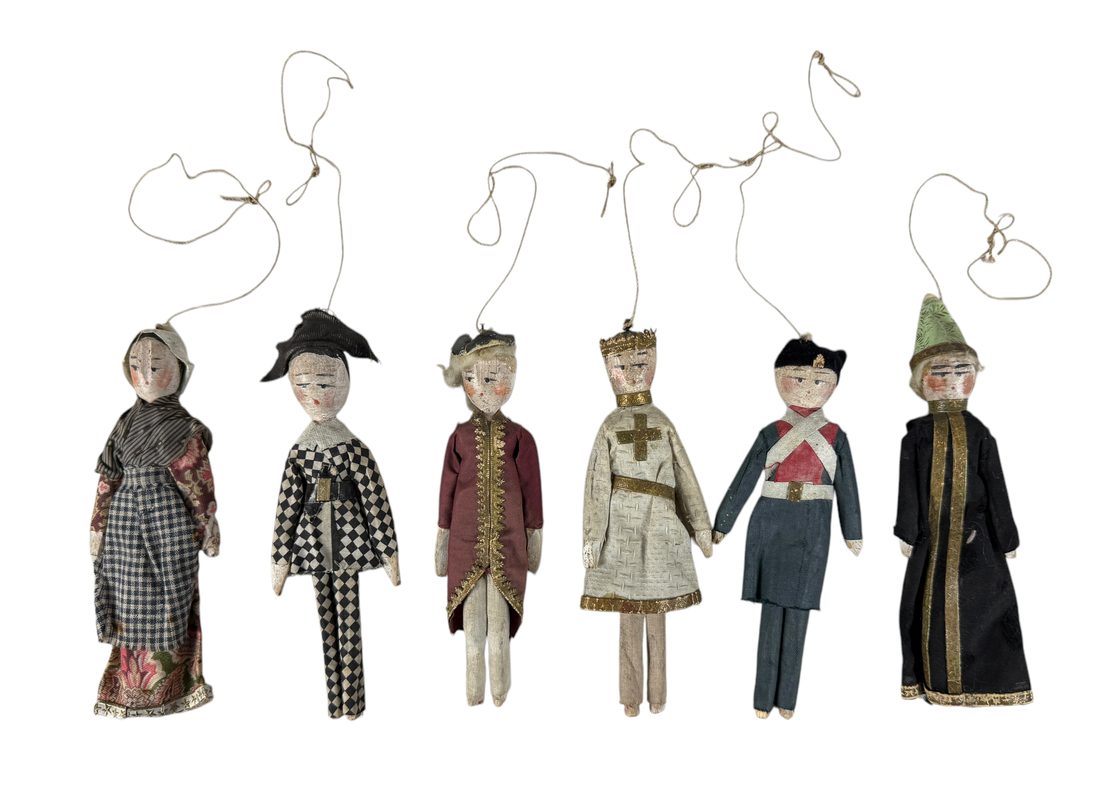
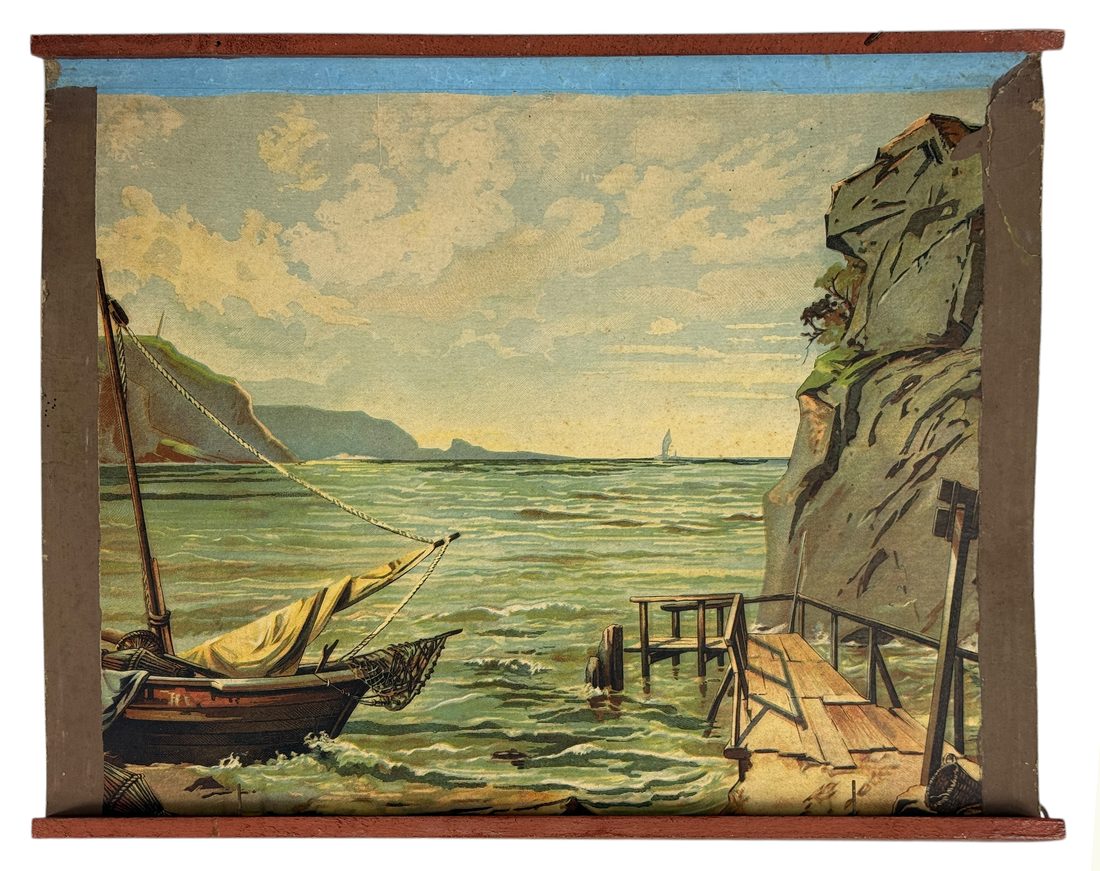
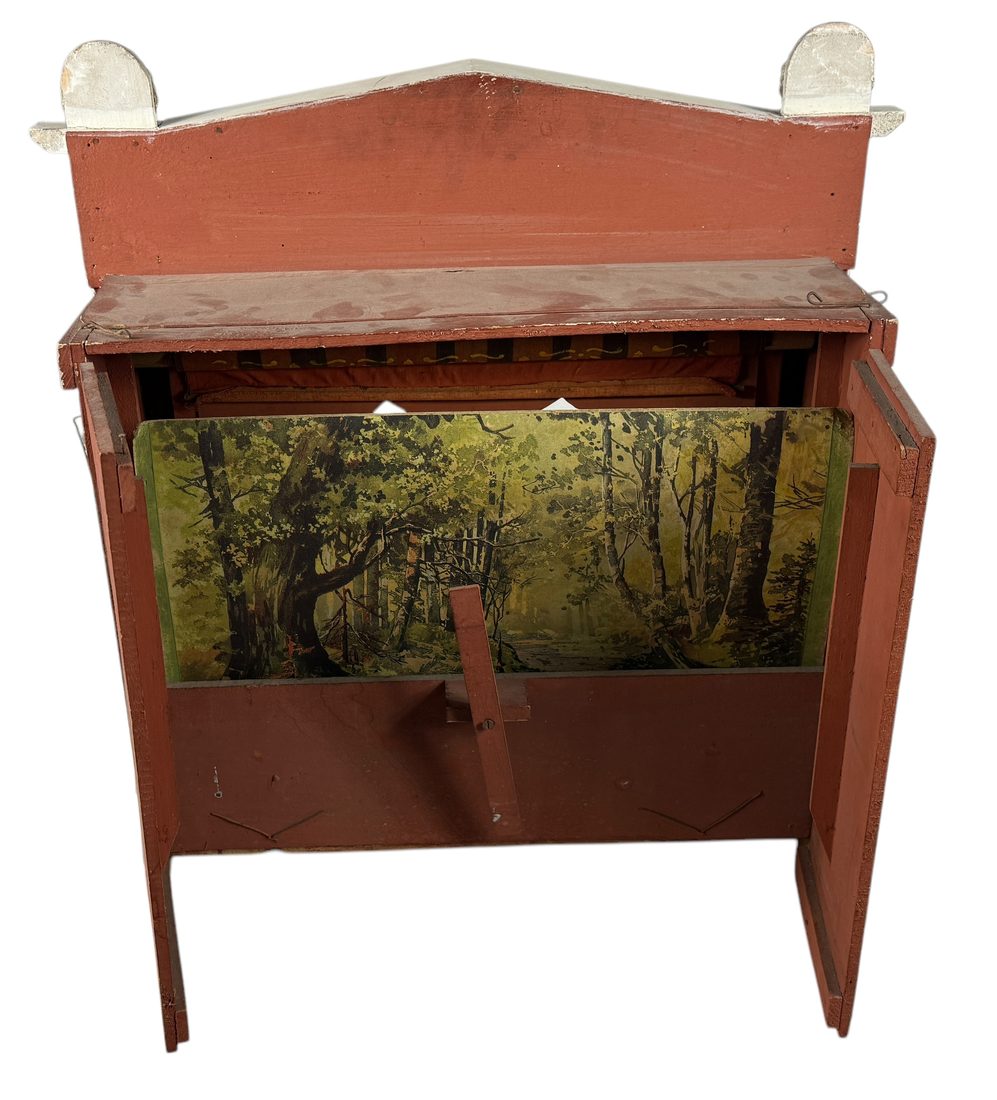
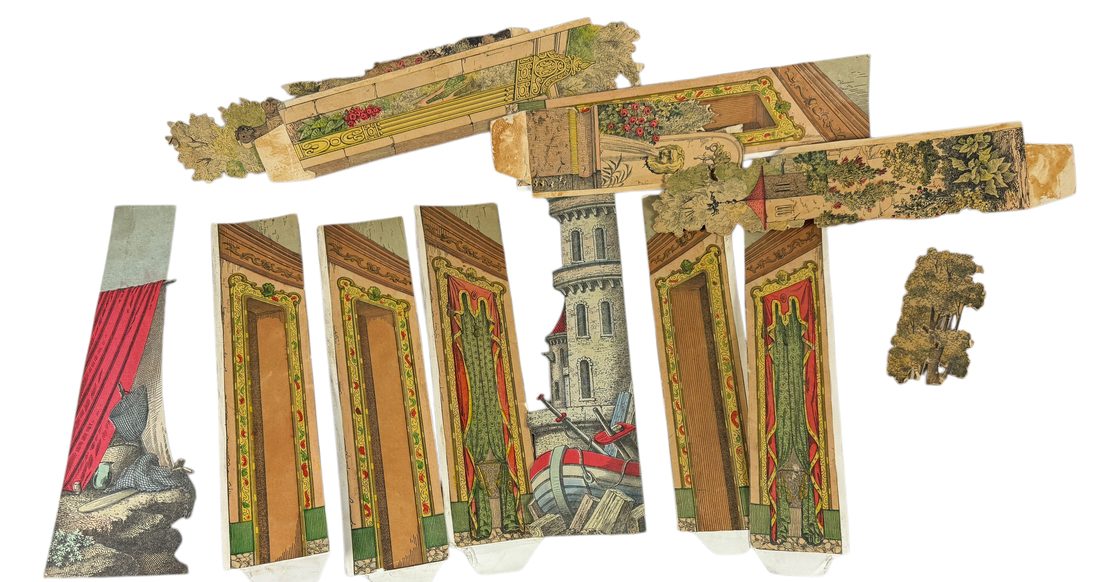
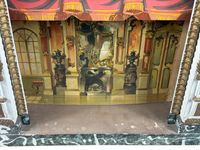
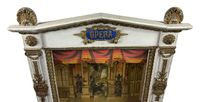
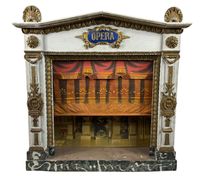
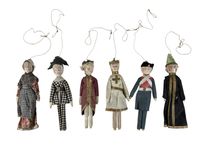
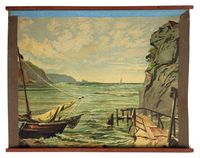
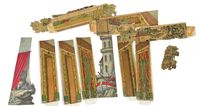
An extensive carved and painted wooden stage setting, consisting of a framed façade complete with a stage curtain (50 x 51 cm). Behind the main façade, the actual theater is divided into two sections: one fixed, and the other composed of foldable panels. A backdrop is mounted on two sturdy wooden rods, allowing for the addition of further scenic elements. The set includes a removable, double-sided decorative panel and twelve intermediate ornamental components. Six small string-operated marionettes are present, each dressed and featuring carved wooden heads and limbs. The six marionettes depict the king and queen, Harlequin, the court jester, the lady-in-waiting, the priest, and the gendarme.
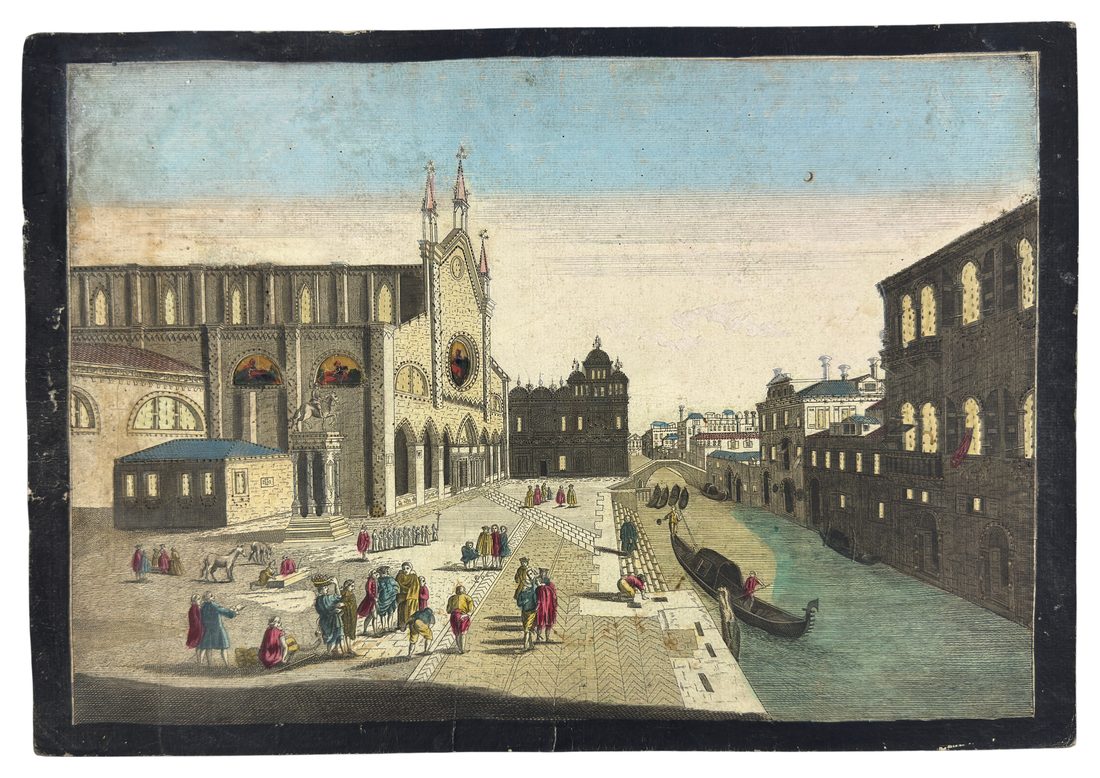
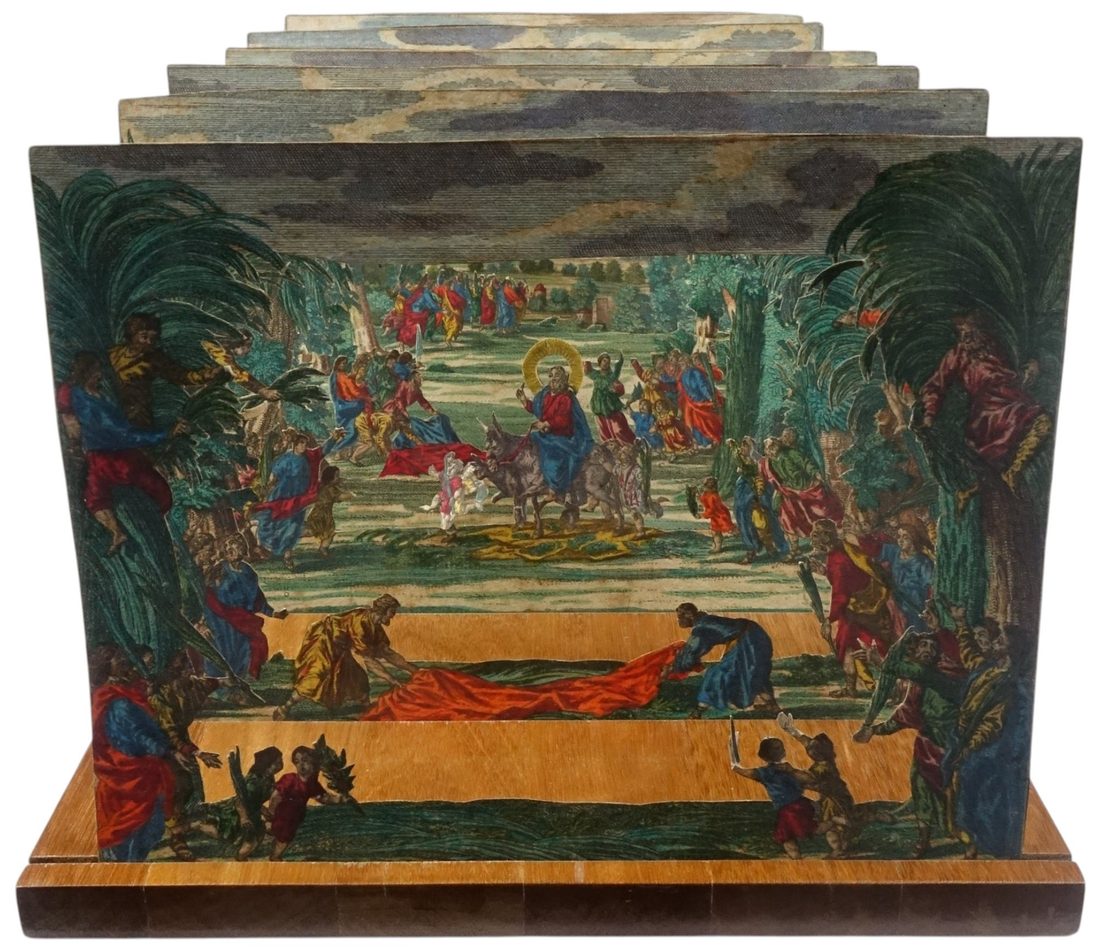
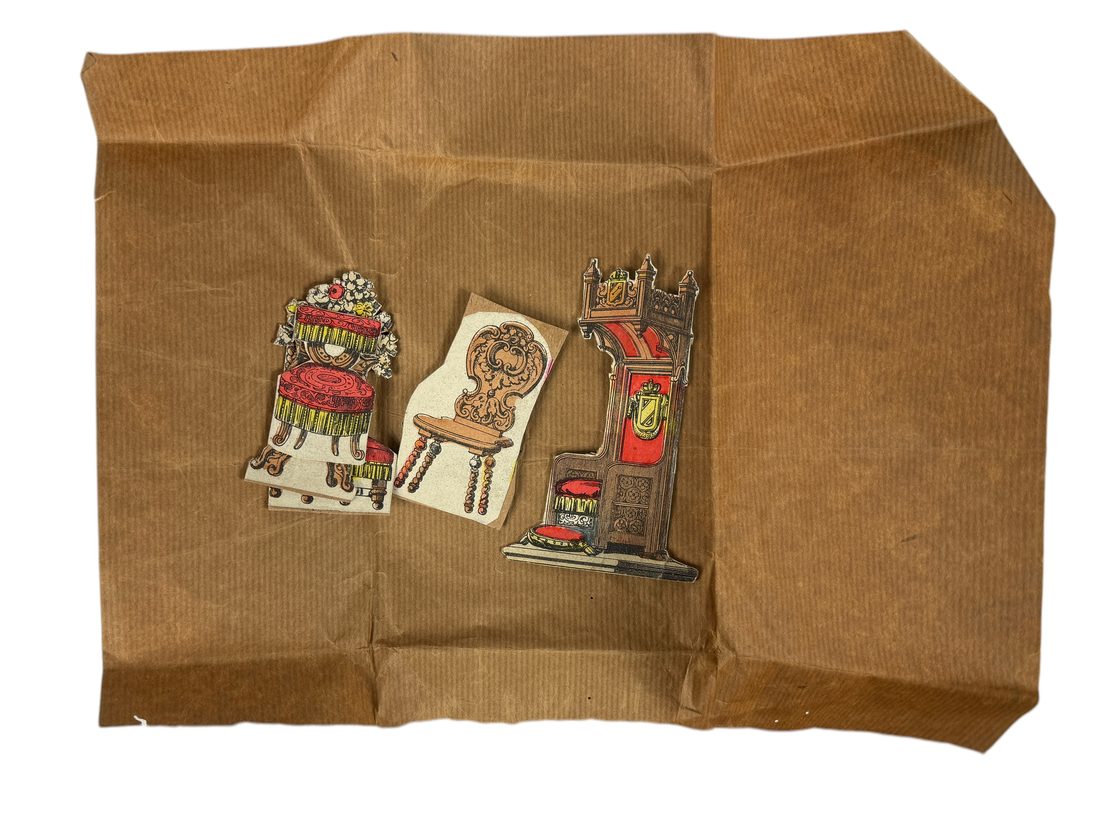
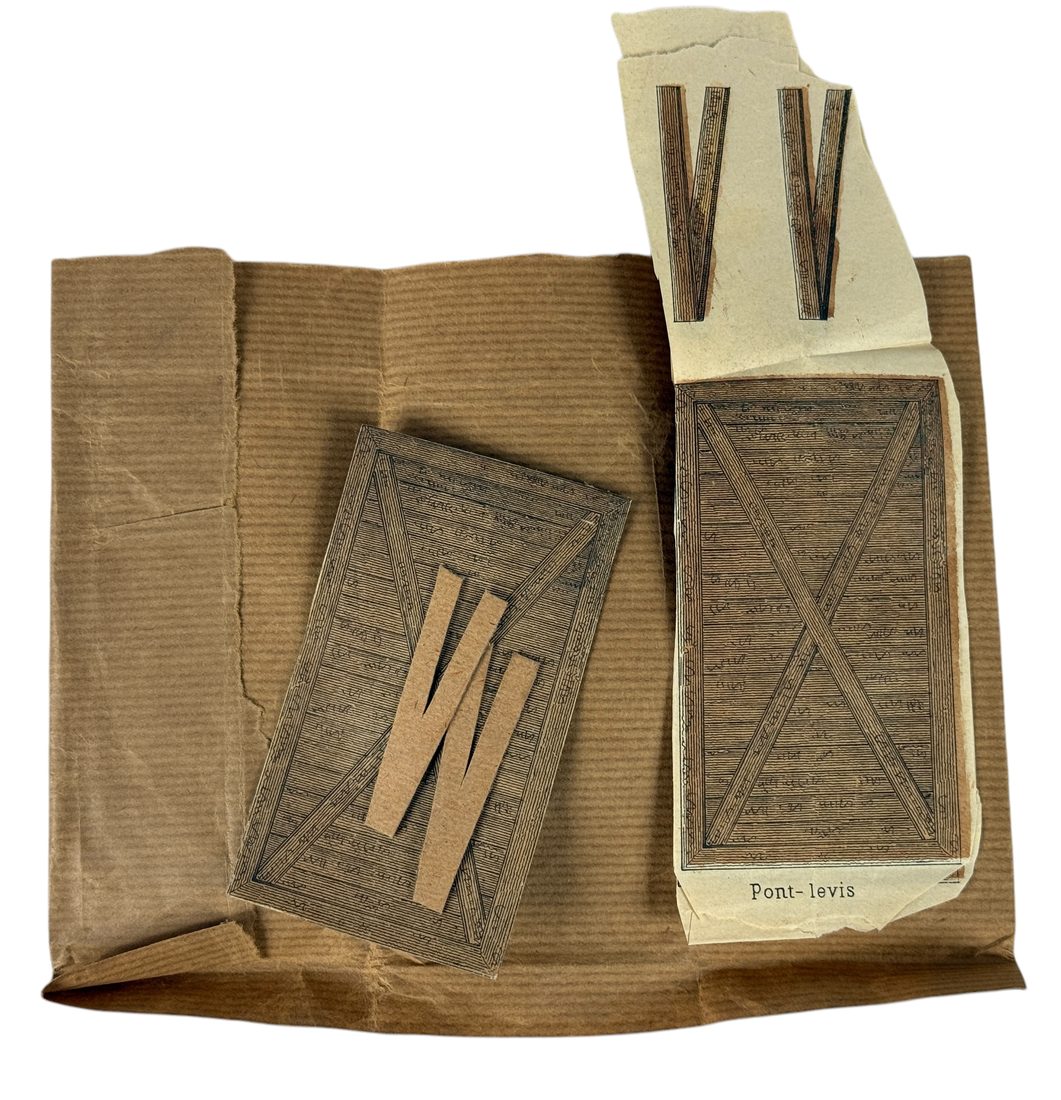
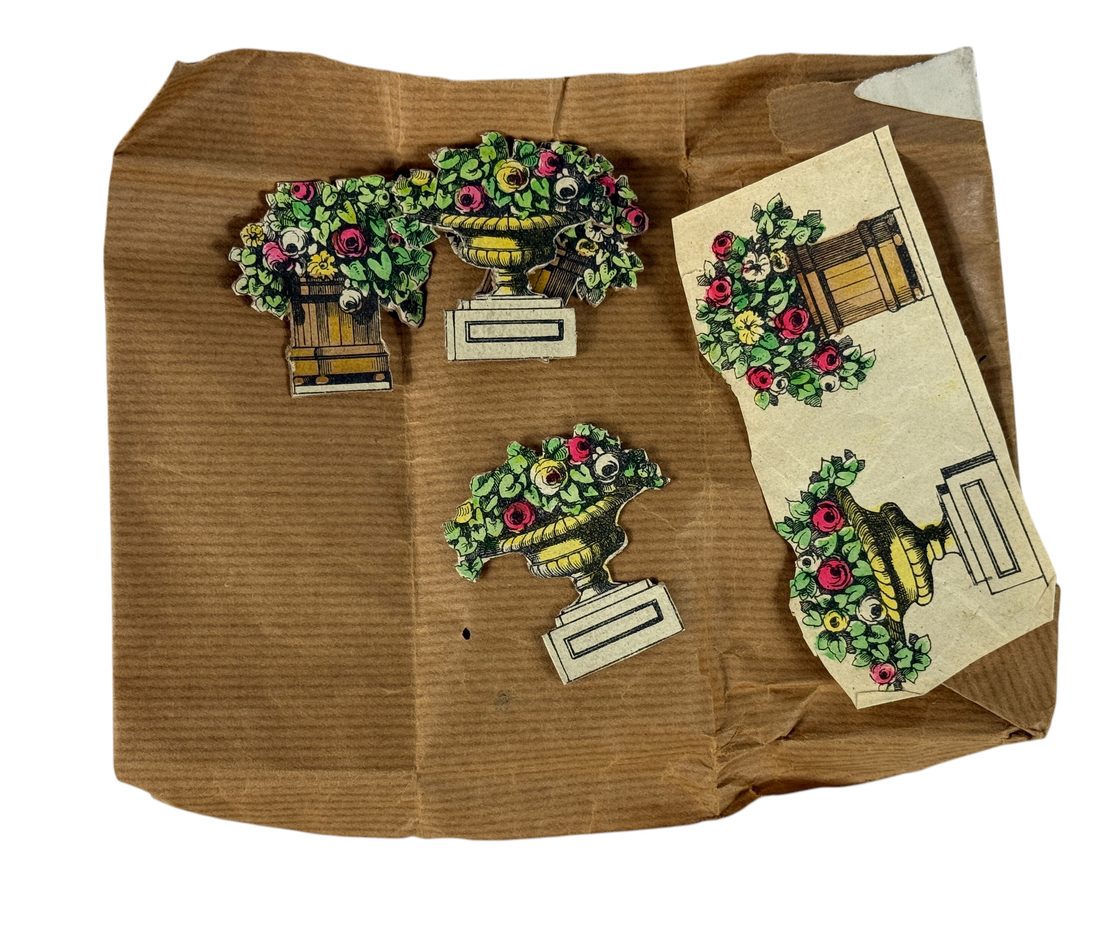
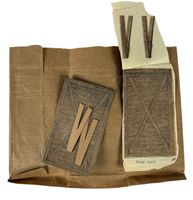
This theater, already rare to find in such exceptional condition, is rendered truly extraordinary by the presence of an unusually large number of accessories. Considering that these theaters were often intended for children, such extras were frequently lost or damaged over time. Among the accessories are six complete, original carved wooden marionettes dressed in traditional attire; several sets of furniture, some already cut out and mounted on cardstock, others still on their original sheets waiting to be trimmed; an additional frame for holding backdrops; two loose backdrops, and twelve additional complete scene sets, carefully preserved in a plastic sleeve, each with all the components needed to create different environments. These sets include backdrops, side wings, movable accessories, and depict the following settings: the village, the public square, the prison, the mill, a country house, a Venetian scene, the seaport, the open sea, the fortress, the bedroom, a stately palace and a mountainous landscape. The different scenarios allowed the theater to be arranged in various ways, enabling the staging of plays and comedies in a wide range of diverse settings.
This exquisite parlor marionette theater, created in France between 1880 and 1885, embodies the elegance and artistic refinement of late 19th-century French design. At that time, such theatres were prized by the bourgeoisie for intimate performances, mirroring the cultural sensibilities of the era toward the art of puppetry.
Parlor Marionette Theatre in Europe
Paper theaters, also known as “Juvenile” or “Toy Theatre” in England, flourished throughout 19th-century Europe under various names: Papiertheater in Germany, Teatrini di Carta in Italy, Kindertheater in Austria, Imagerie Française in France, El Teatro de los Niños in Spain, and Dukketeater in Denmark. Although their names differed by region, the basic format remained essentially the same: characters and scenery (including backdrops, side wings, top borders, and prosceniums) were printed on paper. Children would then color these sets and figures, cut them out, and sometimes mount them on cardboard or lightweight wood. Characters were occasionally attached to flat wooden rods, allowing them to move across the stage. On these diminutive stages, grand theatrical works could be enacted.
In England, early theaters were produced from copperplate engravings and could be purchased either colored or uncolored, giving rise to the phrase “a penny plain and twopence colored”. Because these theaters were exact reproductions of contemporary stage sets and scenery, they often provide the only surviving visual testimony of the London stage during that period. English paper theaters largely featured melodramas, pantomimes, and works by Shakespeare and Sir Walter Scott.
In France, the performances included adaptations of classical operas, pantomimes, théâtre d’ombres, and parodies of operatic works.
In Germany, productions frequently featured plays by Goethe, Schiller, and their contemporaries, as well as works by Wagner, Mozart, and Rossini, alongside popular comic operas of the time. In Denmark, from about 1880 onward, the Jacobsen company issued colored lithographs for theaters, depicting dramas drawn mainly from Danish history and the fairy tales of Hans Christian Andersen.
These theaters were not merely toys, but also educational tools that introduced children to the world of theater and opera, enabling them to stage miniature performances in their own homes.
The years between 1880 and 1885 marked a critical transitional period in the history of French marionette theater, introducing new techniques and progressively professionalizing productions that evolved from popular entertainment into a more sophisticated art form.
This piece is not only a captivating decorative object but also a valuable testimony to 19th-century French entertainment practices. Its preservation offers a unique perspective on the domestic theatrical traditions that once enlivened French salons.
Conditions: Slight signs of wear and minor losses.
References: Portail des Arts de la Marionnette ; http://www.jeuxanciensdecollection.com/ ; Museo del PRECINEMA – Collezione Minici Zotti: Shadow Theatre in Paris (1886 -1914); Christine Cariati, The Play’s the Thing: A History of Toy Theater in Three Acts.