Tractatus de Corde
| Macro-category | Rare Books and Manuscripts |
| Subcategory | Medicine |
| Author | LOWER, Richard |
| Place of printing | Amsterdam |
| Publisher / Maker | Elzevir |
| Year | 1669 |
The most important treatise on the heart after Harvey,
and a pioneering account of blood transfusion:
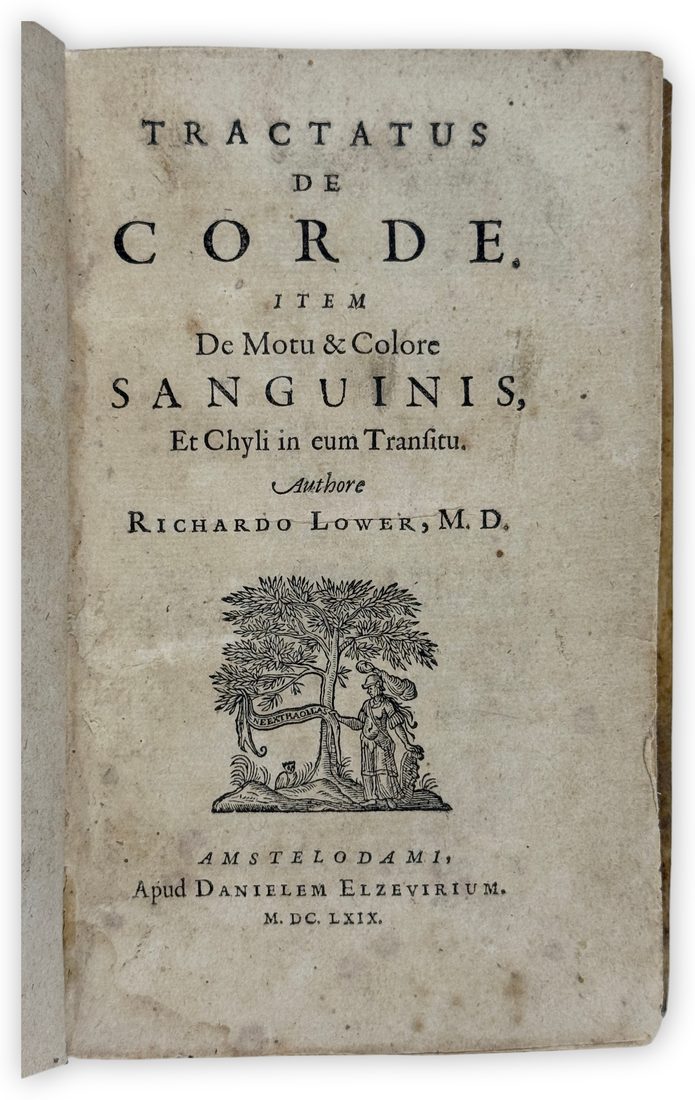
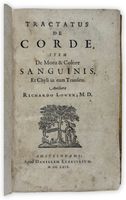
Lower, Richard. Tractatus de Corde. Item de Motu & Colore Sanguinis, et Chyli in eum Transitu. Amstelodami [Amsterdam]: Apud Danielem Elzevirium, 1669.
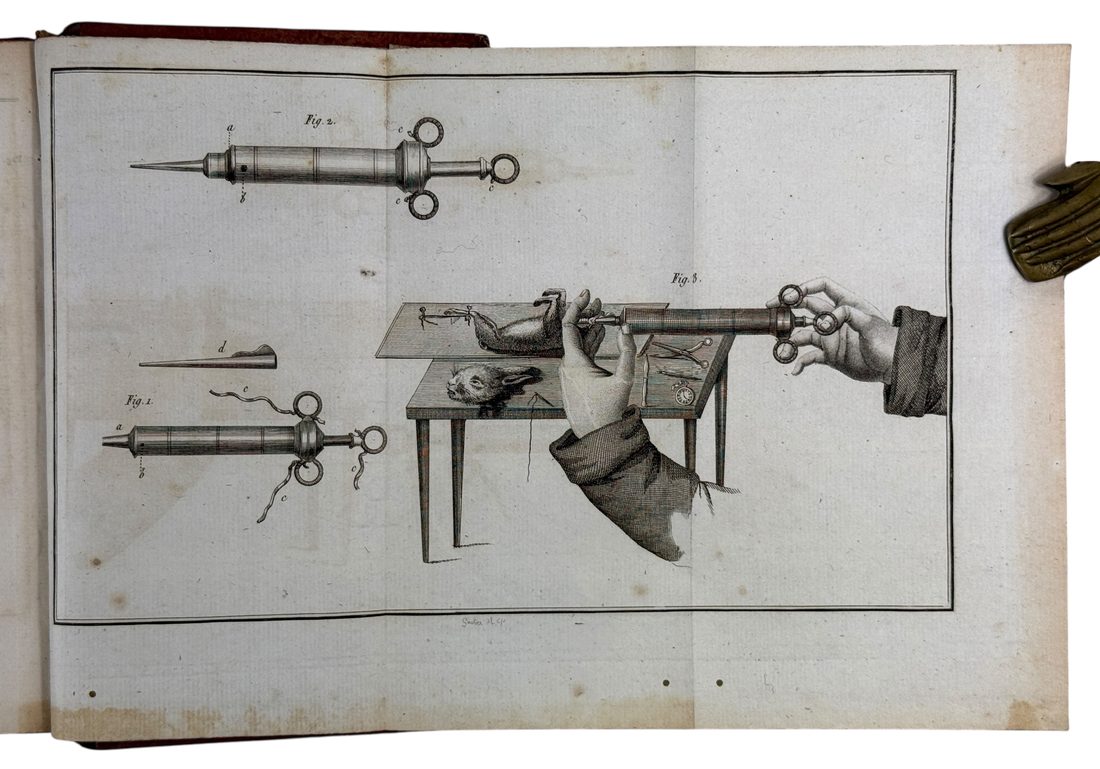
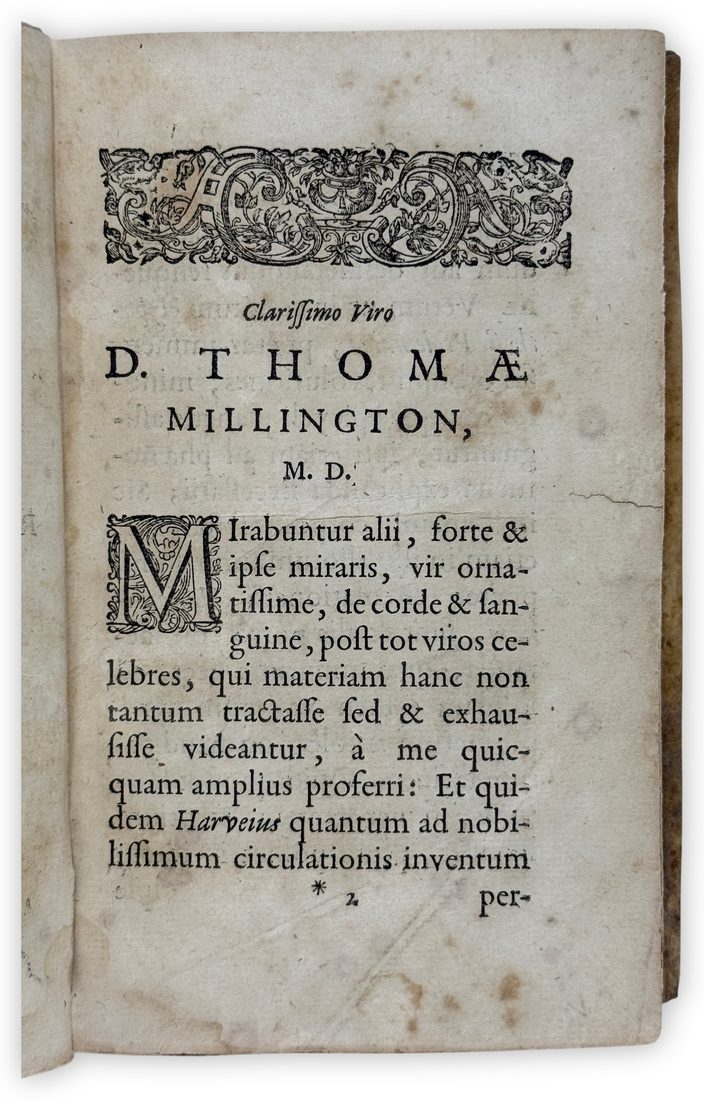
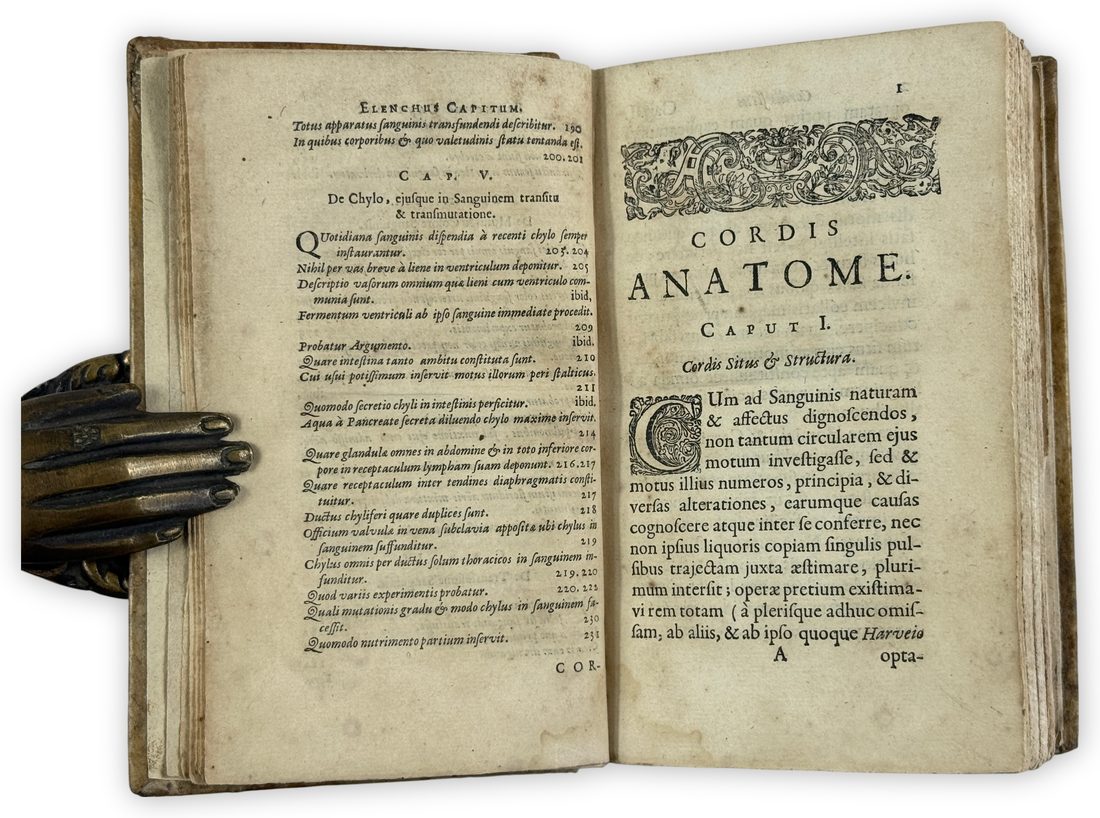
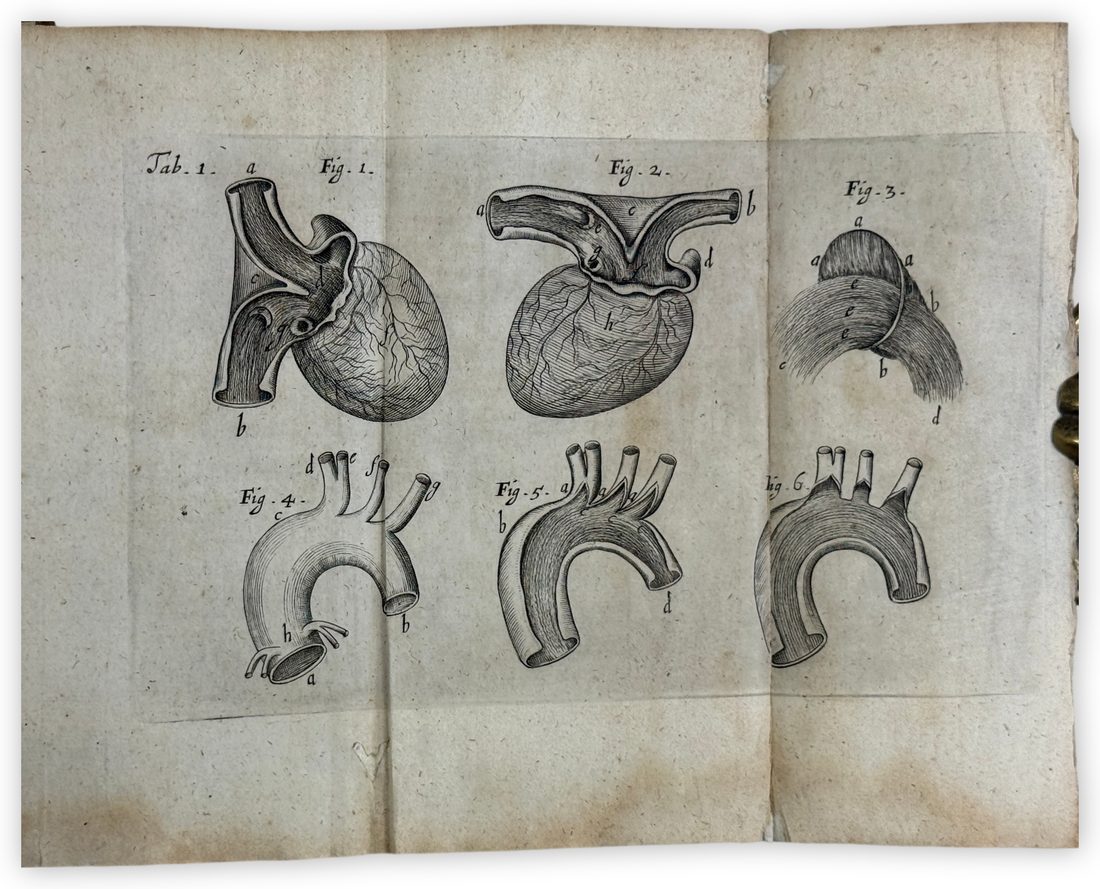
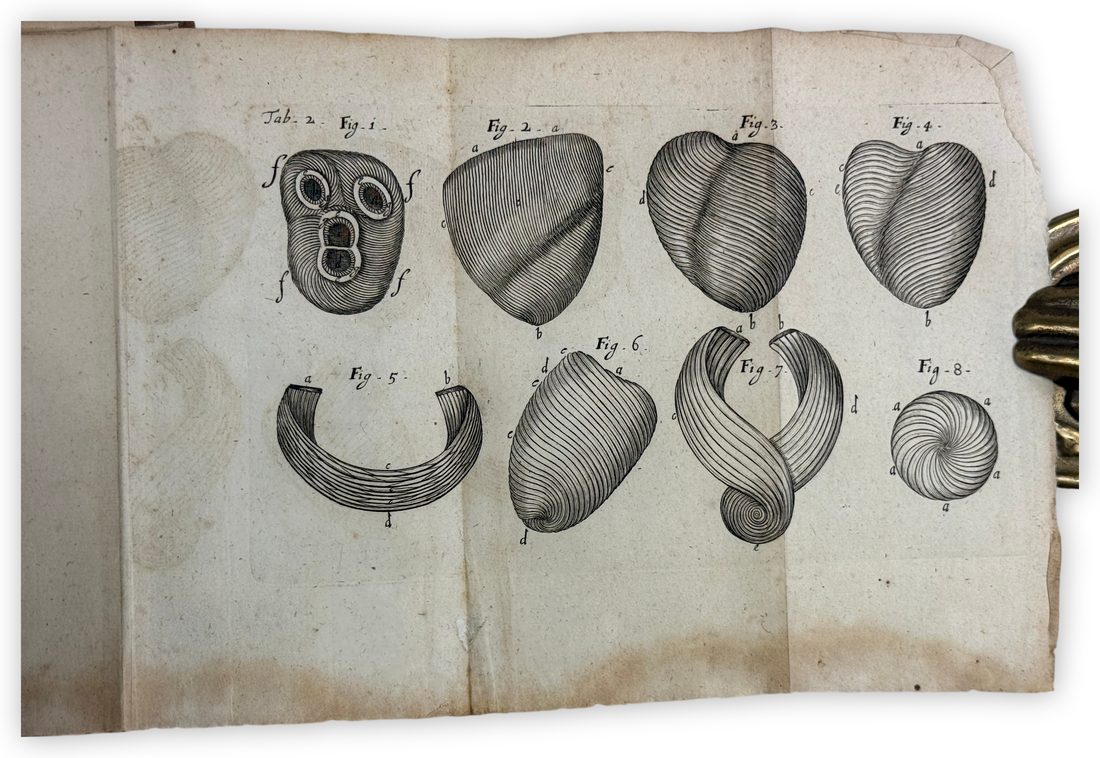
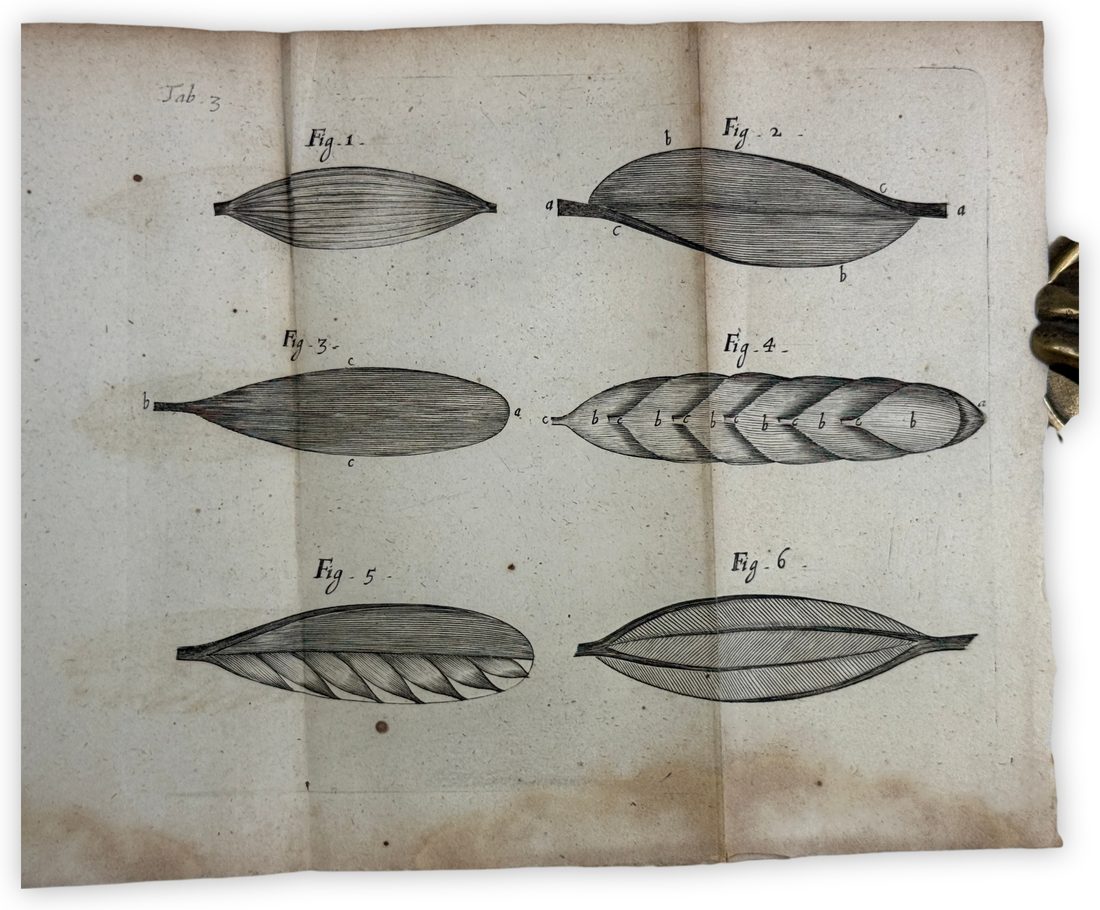
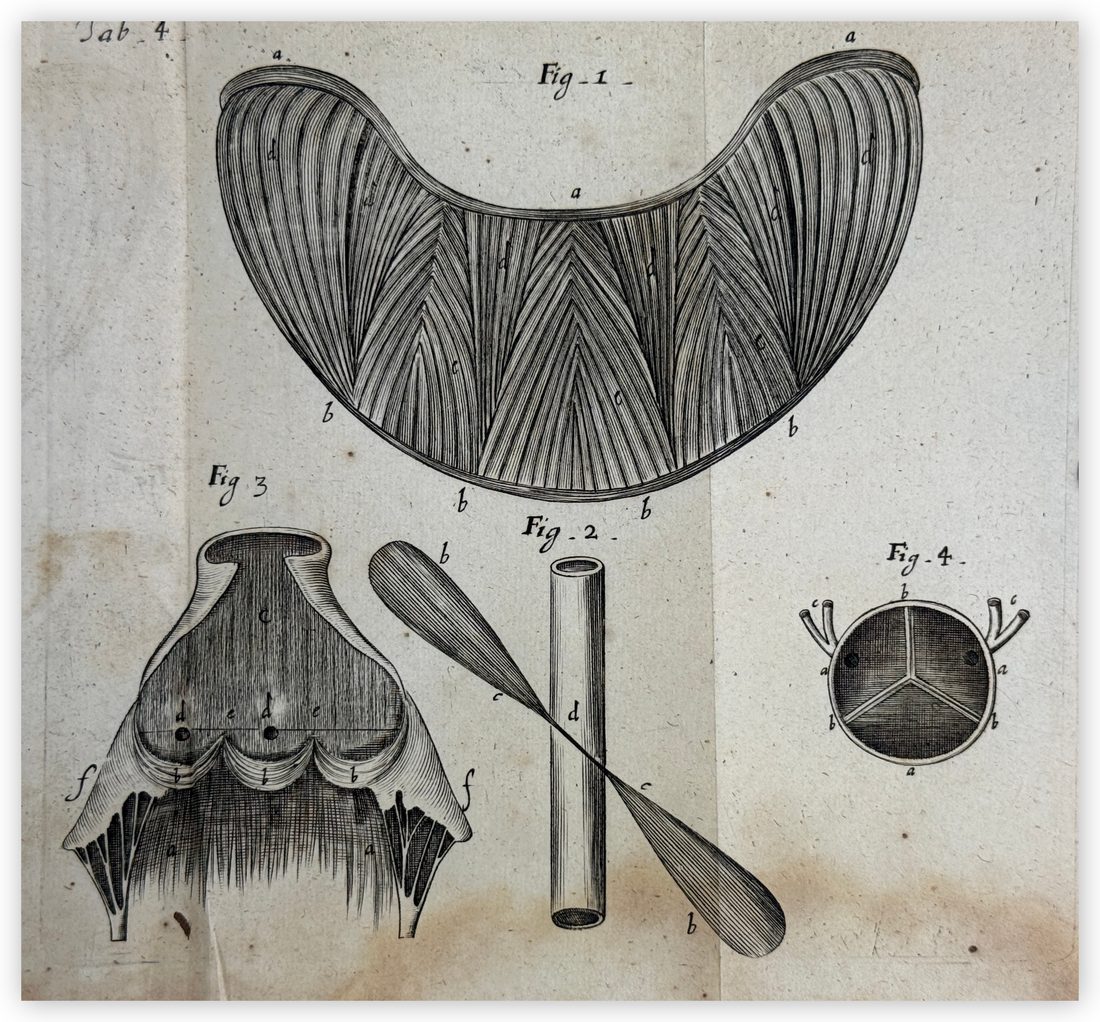
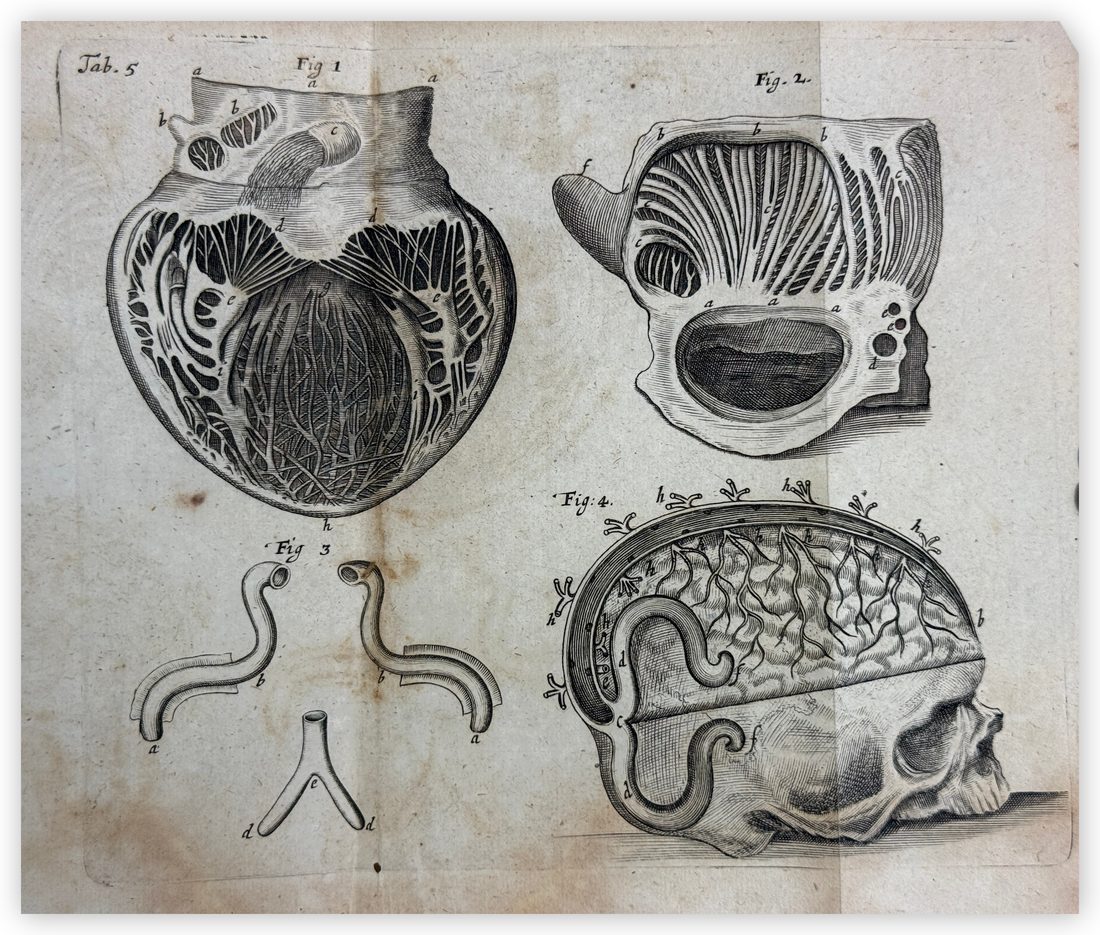
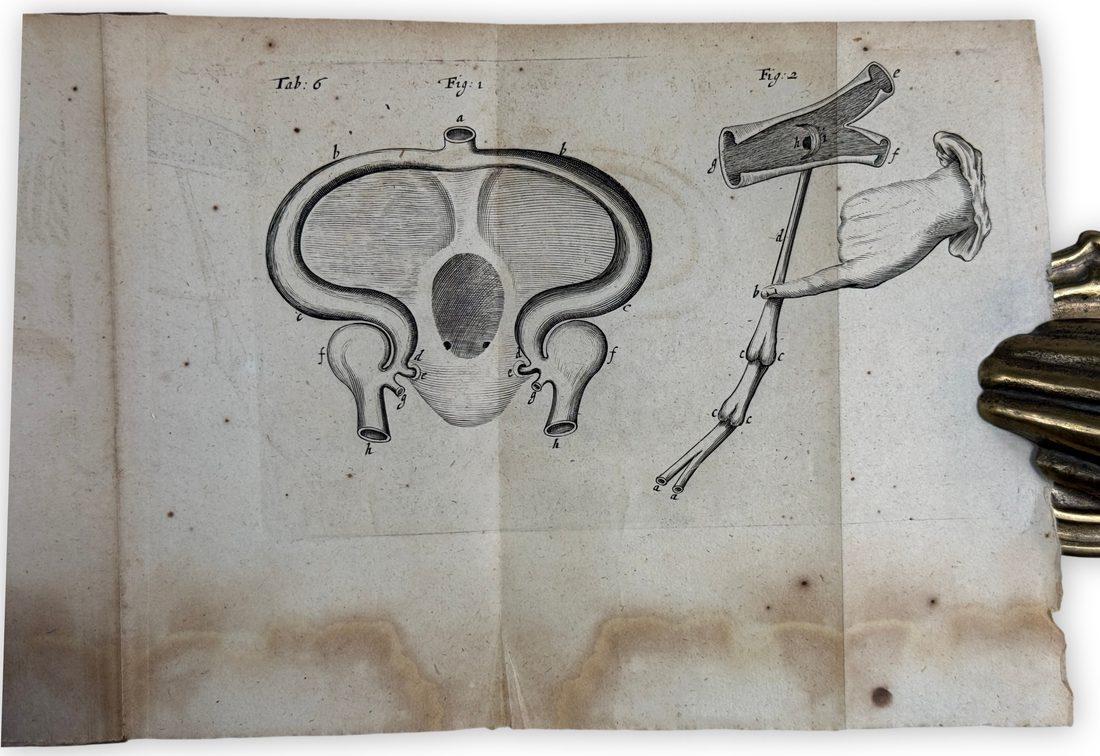
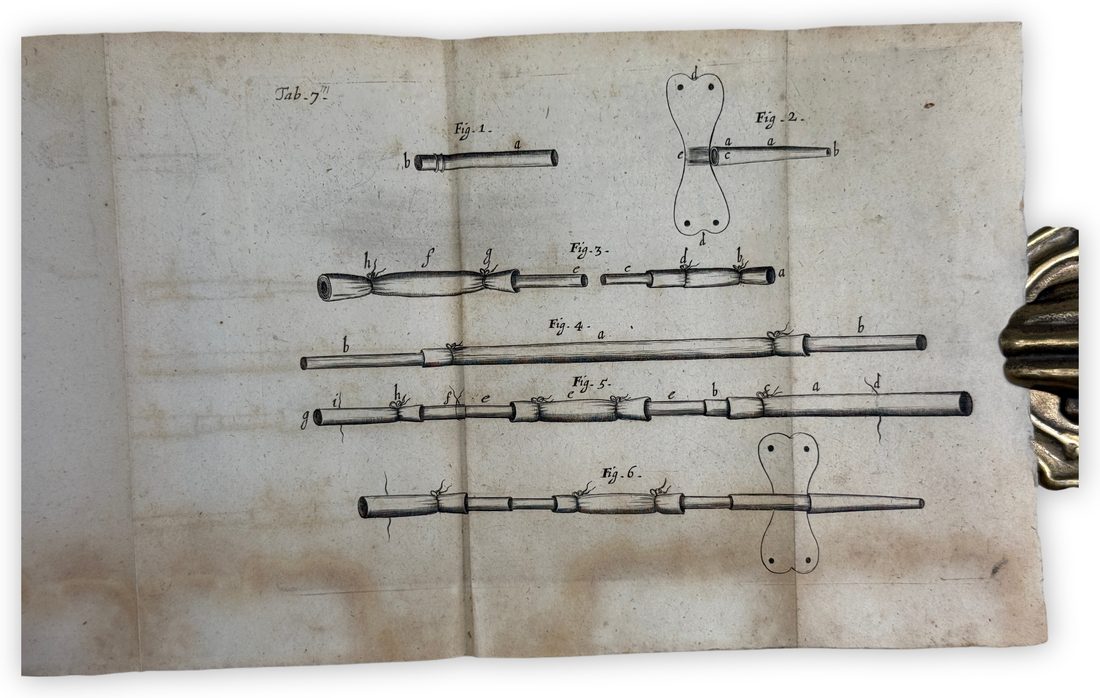
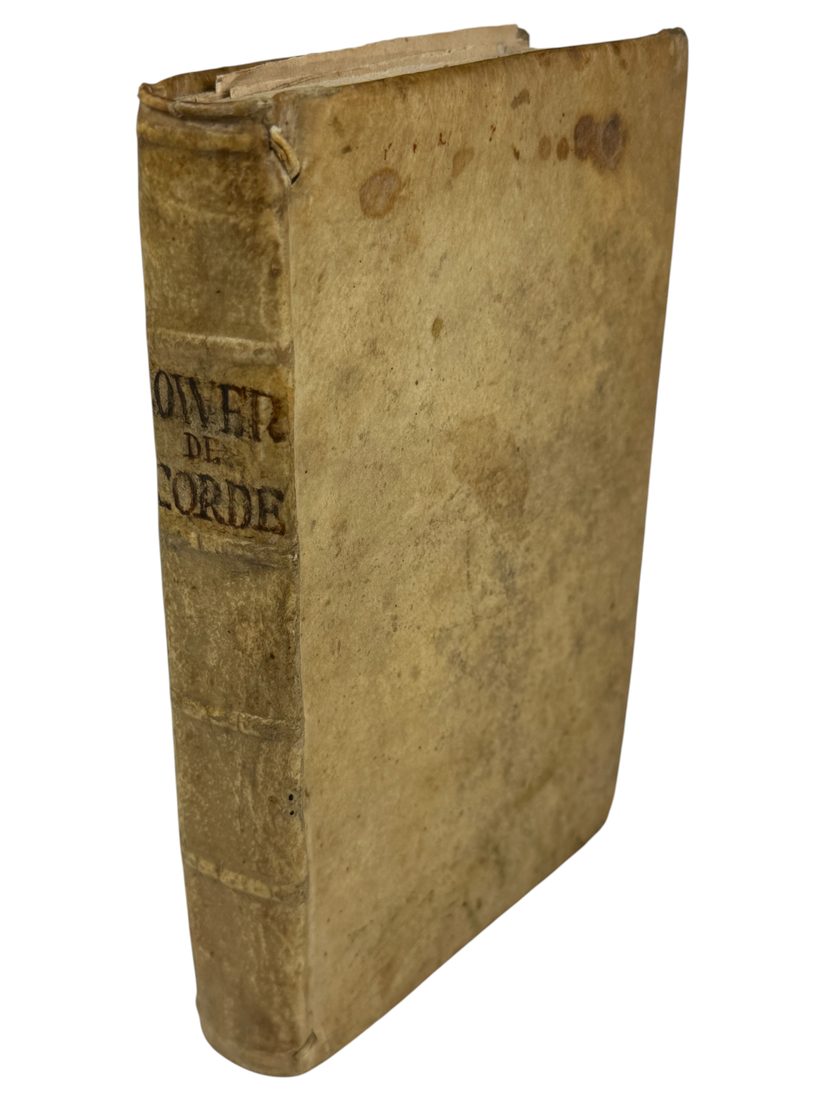
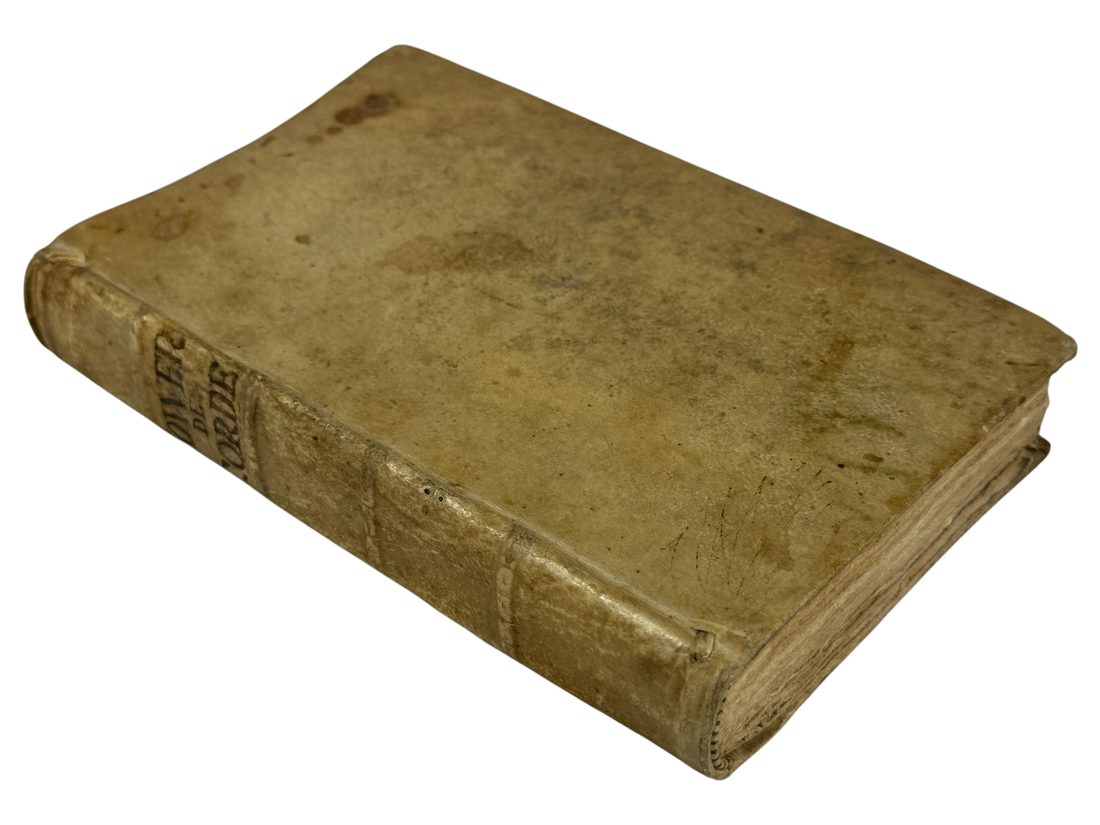
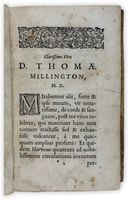
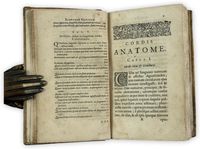
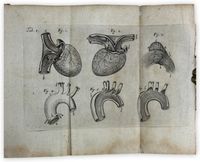
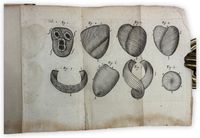
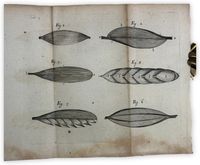
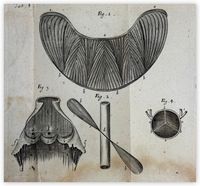
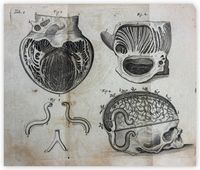
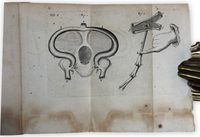
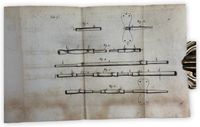
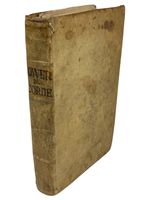
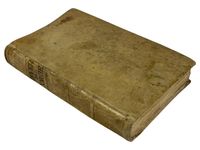
8vo (165 × 95 mm), contemporary stiff vellum binding, handwritten titles at spine with four raised bands; pp. [16], 232; seven folding engraved plates bound at the end; signature ∗⁸ A-O⁸ P⁴ (124 leaves). Printed in Roman and Italic types, with a woodcut printer’s device on the title (Minerva beneath the olive tree, with the motto Ne Extra Oleas), woodcut headpieces and ornamental initials throughout, and the preliminary signatures marked with an asterisk. The preliminaries comprise the title, the dedicatory epistle to Thomas Millington, and the Elenchus Capitum; the text proper opens Cordis Anatome, Caput I. De Situ & Structura Cordis, at page 1. The seven plates illustrate the entire heart and the aortic arch, the arrangement of the muscular fibres, the anatomy of the ventricles and of the venous sinus, the apparatus for the transfusion of blood, and the surgical instruments, namely the silver cannulae with their ligatures.
The first unauthorised edition, the first printed on the Continent, of the most important treatise on the physiology of the heart to appear after Harvey. Issued by Daniel Elzevier at Amsterdam in the same year as the London editio princeps of 1669, it reproduces Lower’s text faithfully in the elegant pocket format of the Elzevier press. In it Lower established the muscular structure of the heart, demonstrated with Robert Hooke that dark venous blood becomes bright arterial blood in the lungs through its contact with the air, and gave one of the earliest systematic accounts of blood transfusion, the technique he had himself pioneered.
The treatise is organised into five chapters that proceed from anatomy to physiology and thence to experiment. The first, De Situ & Structura Cordis, examines the situation and structure of the heart, the pericardium, and the cardiac musculature, and contains Lower’s celebrated demonstration of the spiral arrangement of the muscular fibres of the ventricles, whereby the heart is understood as a muscle. The second, De Motu Cordis, analyses the motion of the heart, its systole and diastole, and the action of the valves; the third, De Motu et Colore Sanguinis, forms the physiological core of the work, in which Lower, working with Robert Hooke, shows that the blood changes from dark to bright red in the lungs through its contact with the air, and not within the heart or through any innate heat. The fourth, De Transfusione Sanguinis, offers one of the earliest systematic treatments of blood transfusion, describing the instruments, the silver cannulae figured in the seventh plate, and the experiments carried out from dog to dog and from animal to man; at its close Lower claims for English science a double priority, observing that, just as Harvey first taught that the blood circulating within its own vessels furnishes life to its body, so it was first discovered by him that it could be conveyed beyond the compass of its own body to the preservation of another (“uti Harveius sanguinem intra propria vasa Circulantem corpori suo vitam praestare primo docuerit: Ita & eum extra corporis sui ambitum ad alterius salutem transferri posse à nobis primo detectum est”). The concluding chapter, De Chylo, treats the passage and transmutation of the chyle into the blood, incorporating the discoveries of Aselli, Pecquet, and Rudbeck on the lymphatic vessels, after which the text closes with the word Finis. This Amsterdam edition reproduces the London text without authorial revision and does not include the Dissertatio de origine catarrhi, Lower’s separate treatise of 1672, appended to a number of later editions of the work; its distinguishing features are typographic, namely the small format, the plates re-engraved on Dutch copper after the English originals, and the ornamental apparatus of the Amsterdam house.
Lower composed the Tractatus within the experimental milieu of Restoration Oxford, in the circle gathered around Thomas Willis that included Robert Boyle, Robert Hooke, and Christopher Wren, and whose researches were channelled through the newly founded Royal Society.
The book presupposes and extends Harvey’s Exercitatio anatomica de motu cordis et sanguinis (1628): where Harvey had demonstrated the circulation, Lower analysed the structure and motion of the organ that drives it, together with the respiratory transformation of the blood. Its rapid reissue on the Continent attests the immediate European interest in the work, and above all in its chapter on transfusion, intensely discussed within the Royal Society and abroad. Cited by Malpighi, Borelli, and Steno, and adopted as a text of reference in the medical curricula of Leiden, Utrecht, and Padua for half a century, the Tractatus contributed decisively, with Borelli’s De motu animalium (1680-1681), to the passage of physiology from Galenic speculation to the experimental and mechanistic model. The London editio princeps is numbered 149 in Printing and the Mind of Man.
Richard Lower was born at Tremeer, in Cornwall, in 1631, and educated at Christ Church, Oxford, where he became the close collaborator of Thomas Willis and contributed substantially to the anatomical researches published in the Cerebri Anatome of 1664. He performed in 1665 and 1666 the first direct blood transfusions between dogs undertaken in England, and in November 1667, before the Royal Society, the celebrated transfusion of lamb’s blood into a man, Arthur Coga. Elected Fellow of the Royal Society in 1667 and admitted to the Royal College of Physicians in 1675, he removed to London and became, after the death of Willis, the most sought-after physician in the capital. Besides the Tractatus de Corde, he published the Diatribae Thomae Willisii de febribus vindicatio (1665), in defence of his master, and the Dissertatio de origine catarrhi (1672), which refuted the ancient doctrine that catarrh descended from the brain. His Whig sympathies and his support of the Duke of Monmouth harmed his career after 1678, and he died in relative obscurity in 1691.
Conditions: Contemporary stiff vellum binding, with a few stains and slight cockling to the covers; the seven folding plates with light foxing and occasional marginal marks, but well preserved in the impression; some light browning to the paper, as is usual with seventeenth-century stock. Overall, a good copy with ample margins.
References: A. Willems, Les Elzevier. Histoire et annales typographiques, Bruxelles: G.-A. van Trigt, 1880, no. 1412; É. Rahir, Catalogue d’une collection unique de volumes imprimés par les Elzevier, Paris: Damascène Morgand, 1896, no. 1486; P. Krivatsy, A Catalogue of Seventeenth Century Printed Books in the National Library of Medicine, Bethesda: National Library of Medicine, 1989, no. 7158; Wellcome, A Catalogue of Printed Books in the Wellcome Historical Medical Library, vol. III, London: The Wellcome Historical Medical Library, 1976, p. 552; ICCU, OPAC SBN, record IT\ICCU\RMLE\024636; OCLC 3698292. For the London editio princeps, by comparison, F. H. Garrison and L. T. Morton, A Medical Bibliography, 5th ed., Aldershot: Scolar Press, 1991, no. 761; J. Carter and P. H. Muir (eds.), Printing and the Mind of Man, London: Cassell, 1967, no. 149; D. H. Hook and J. M. Norman, The Haskell F. Norman Library of Science and Medicine, San Francisco: Jeremy Norman & Co., 1991, no. 1397; Grolier Club, One Hundred Books Famous in Medicine, New York, 1995, no. 34; P. Krivatsy, op. cit., no. 7157; D. Wing, Short-Title Catalogue of Books Printed in England, Scotland, Ireland, Wales, and British America … 1641–1700, 2nd ed., New York: Modern Language Association of America, 1972–1998, L-3310.