The "Pop-Up" Pinocchio

| Macro-category | Rare Books and Manuscripts |
| Subcategory | Movable & Pop-up Books |
| Author | COLLODI, Carlo |
| Place of printing | New York |
| Publisher / Maker | Blue Ribbon |
| Year | 1932 |
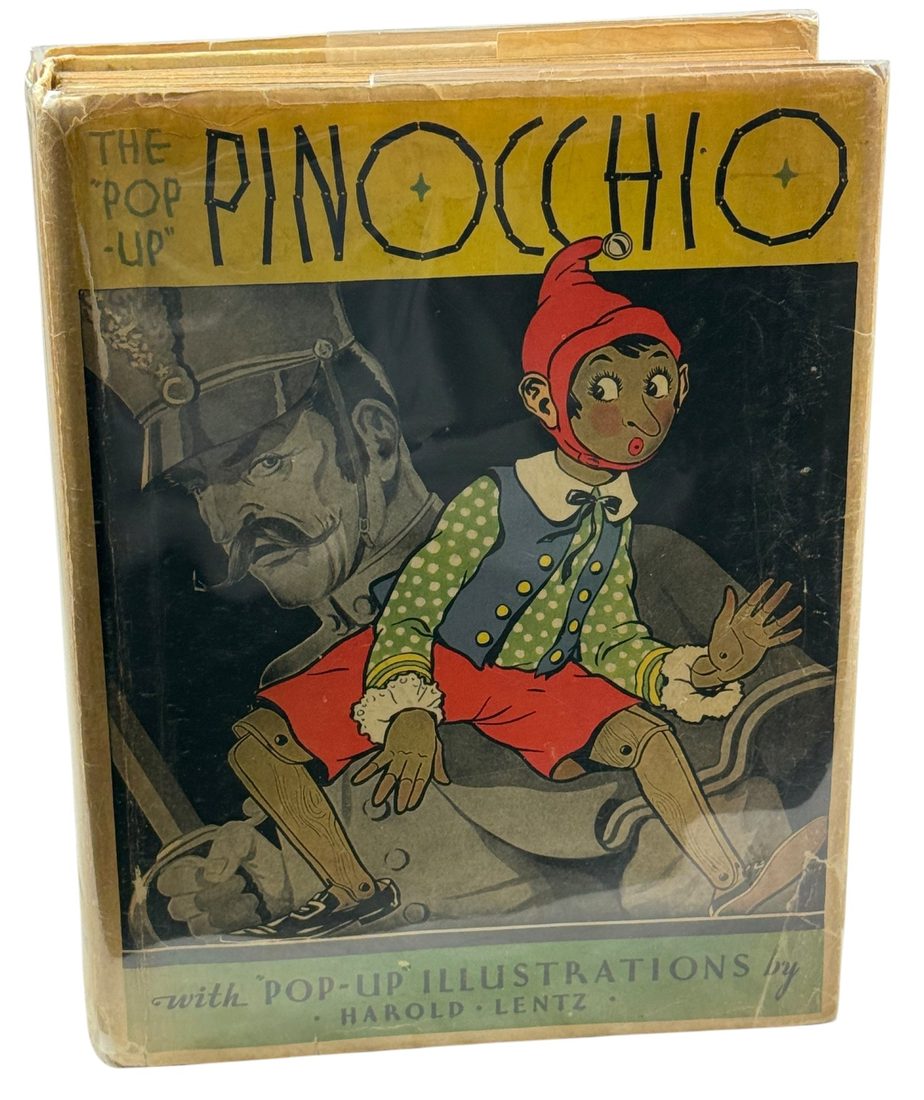
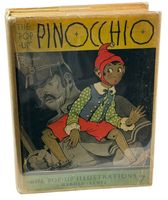
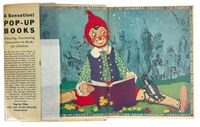
First Edition with original dust jacket
an attractive example of early 20th-century American
pop-up book production, combining classic children’s literature
with inventive paper engineering
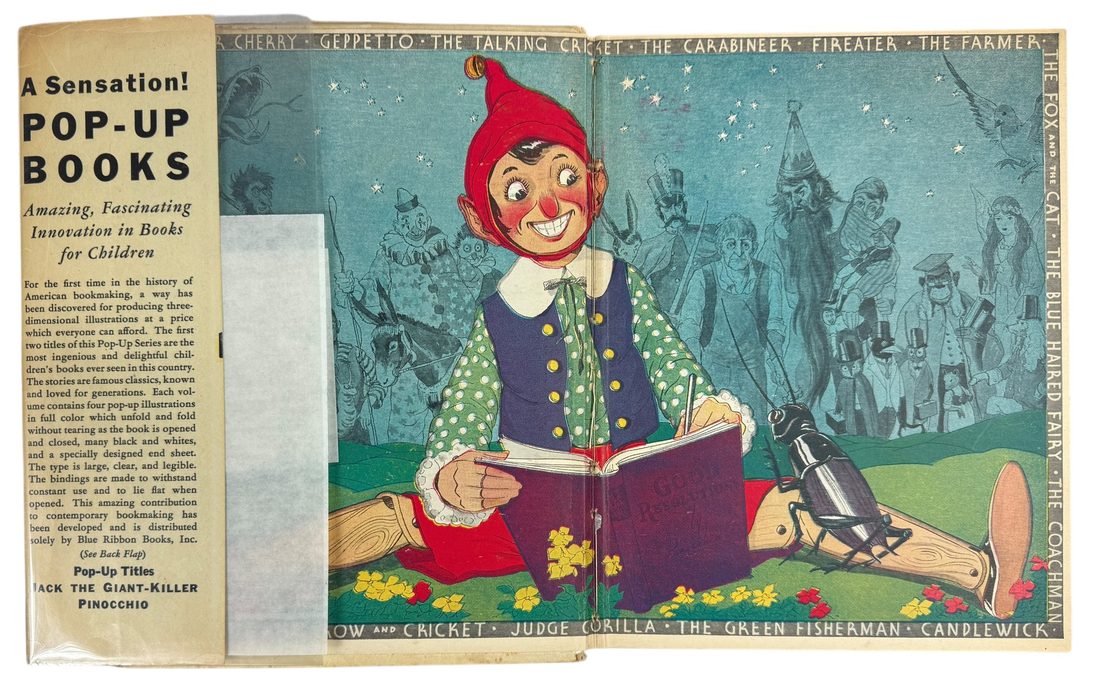
Collodi - Lentz, Harold, (Illustrator). The "Pop-Up" Pinocchio, Being the Life and Adventures of a Wooden Puppet Who Finally Became a Real Boy. New York: Blue Ribbon, 1932.
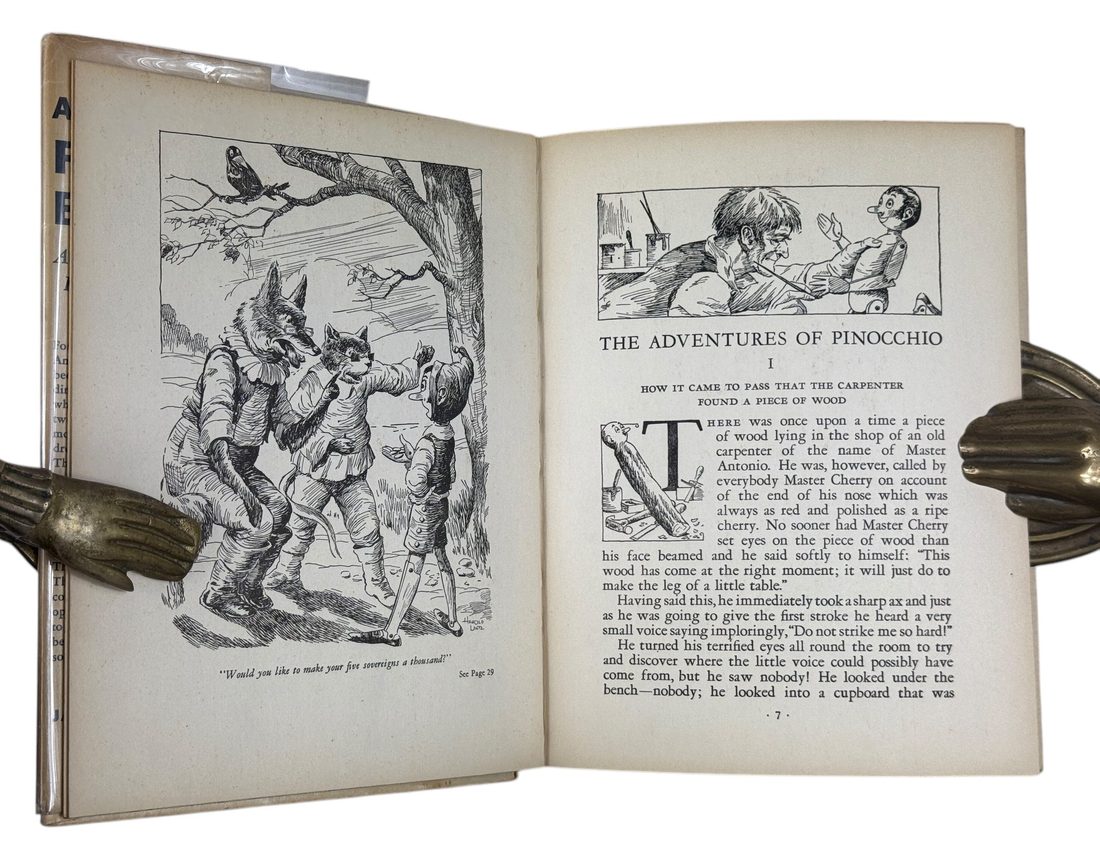
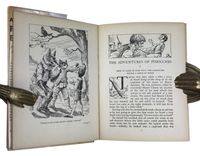
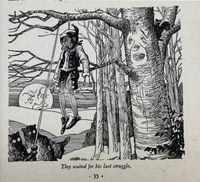
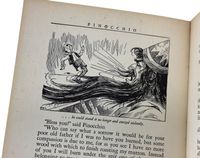
Small 4to (24 x 18 cm), pp. [48], with numerous in-text black-and-white illustrations, in the original dust jacket.
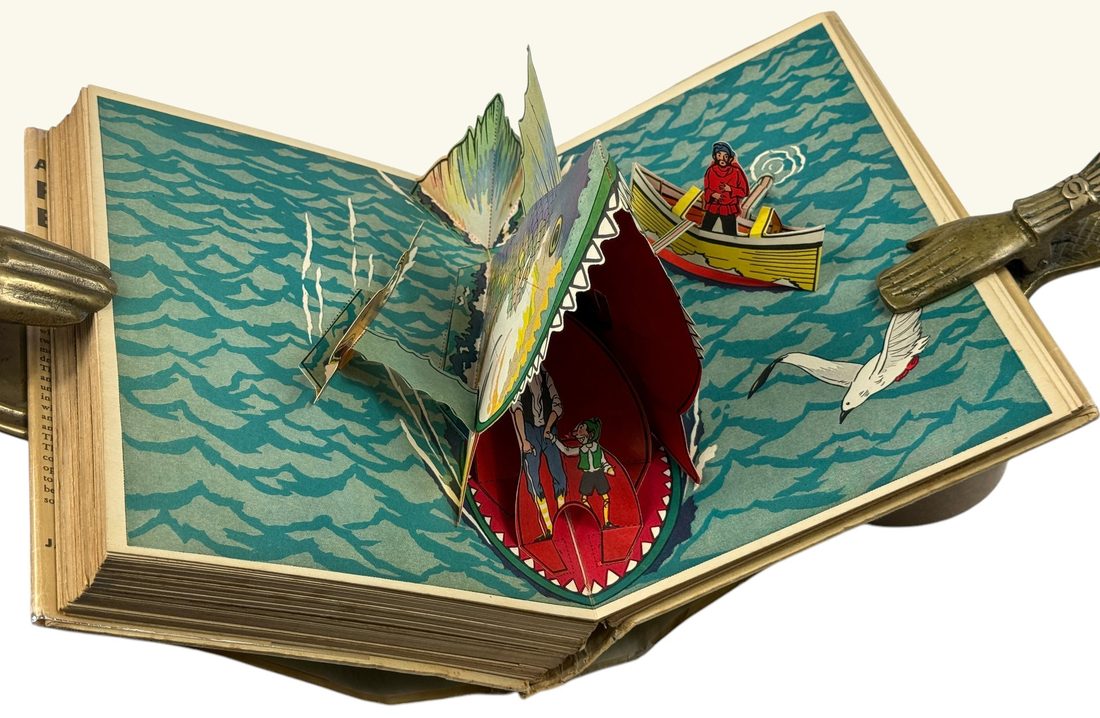
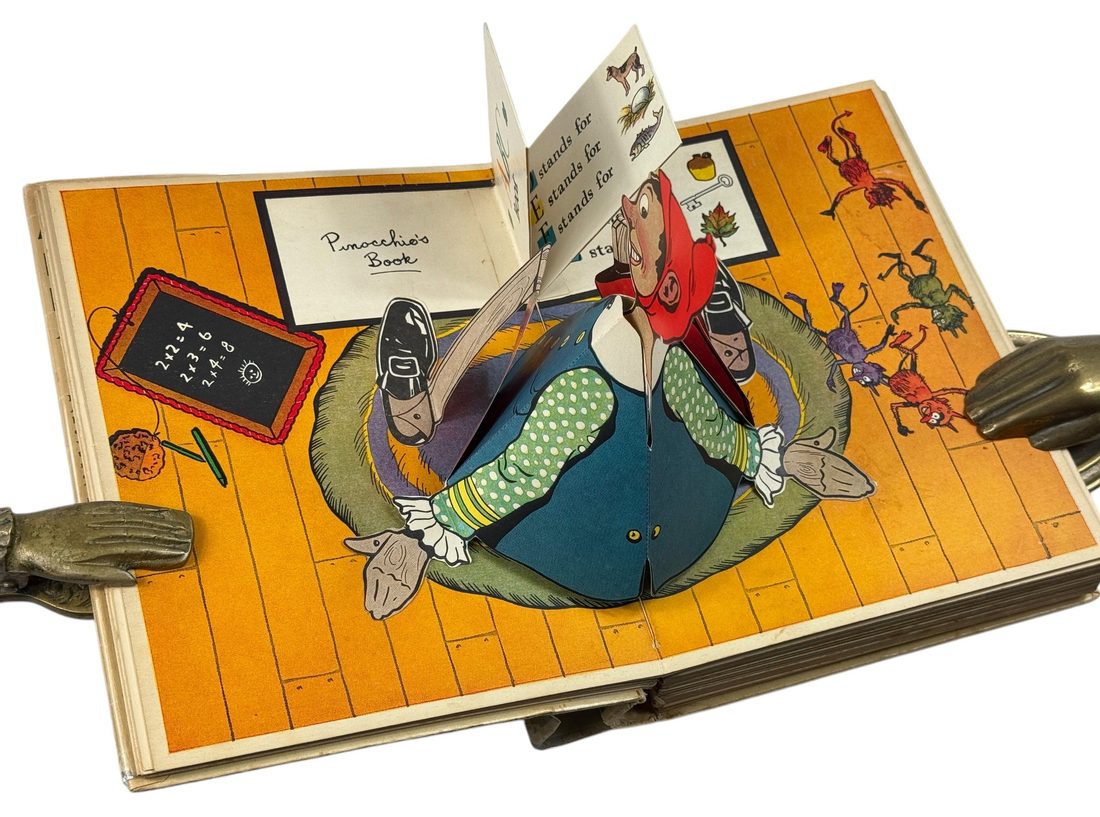
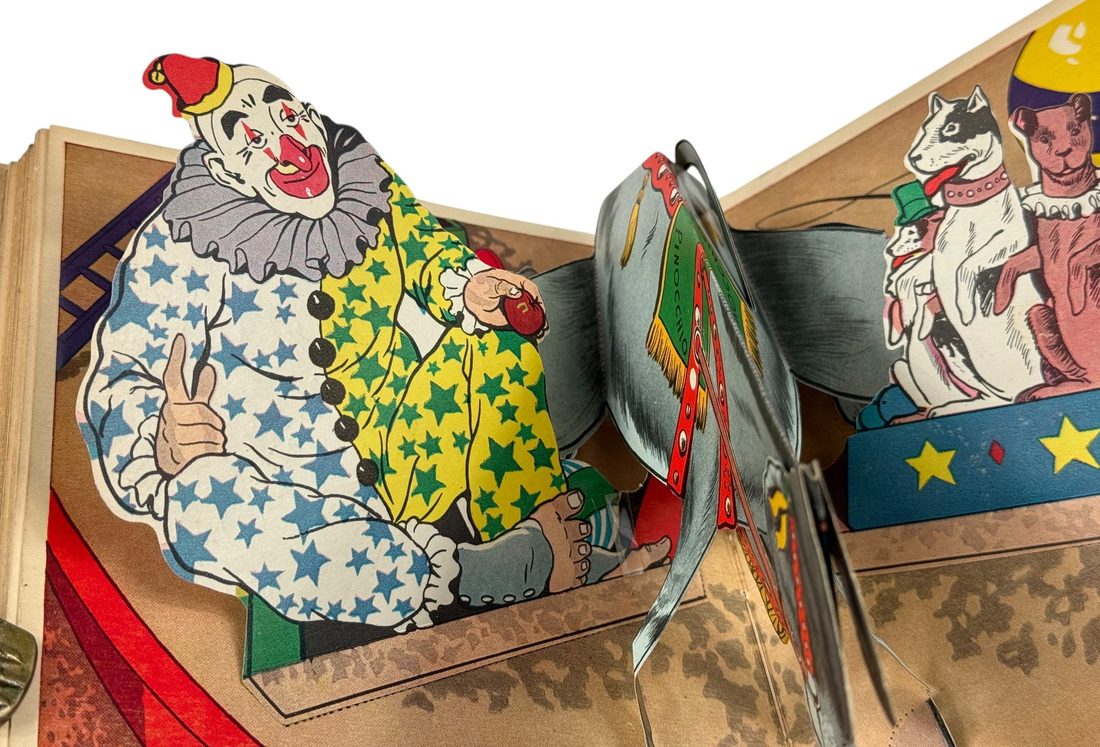
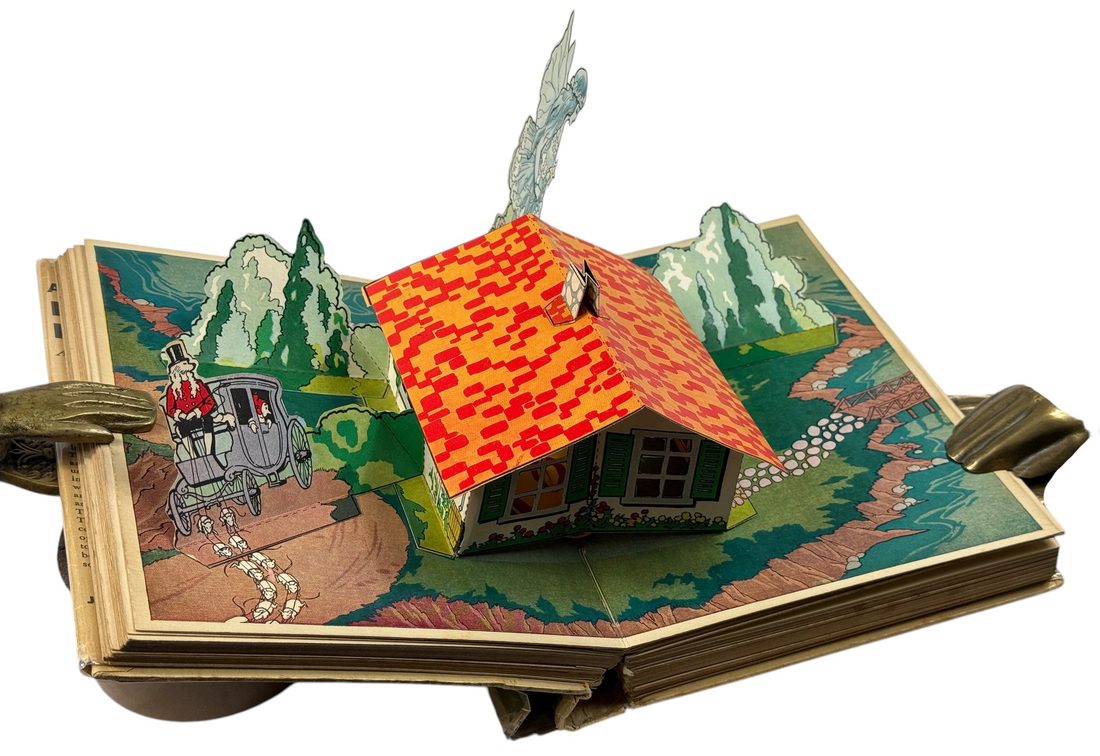
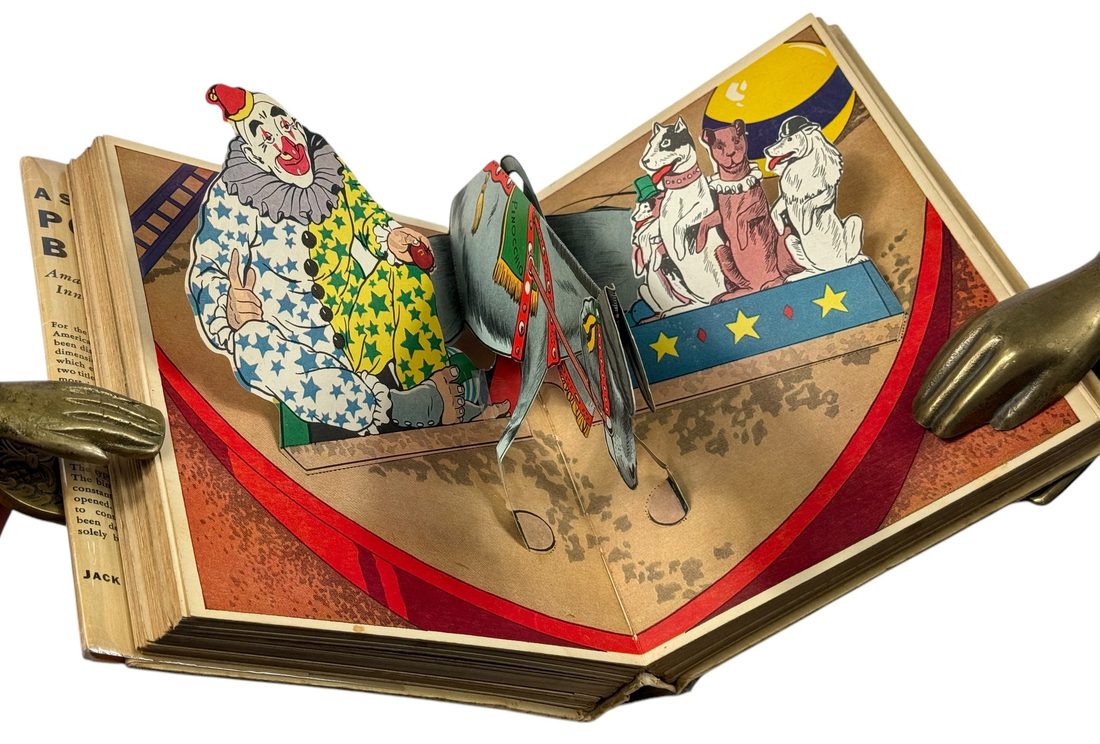
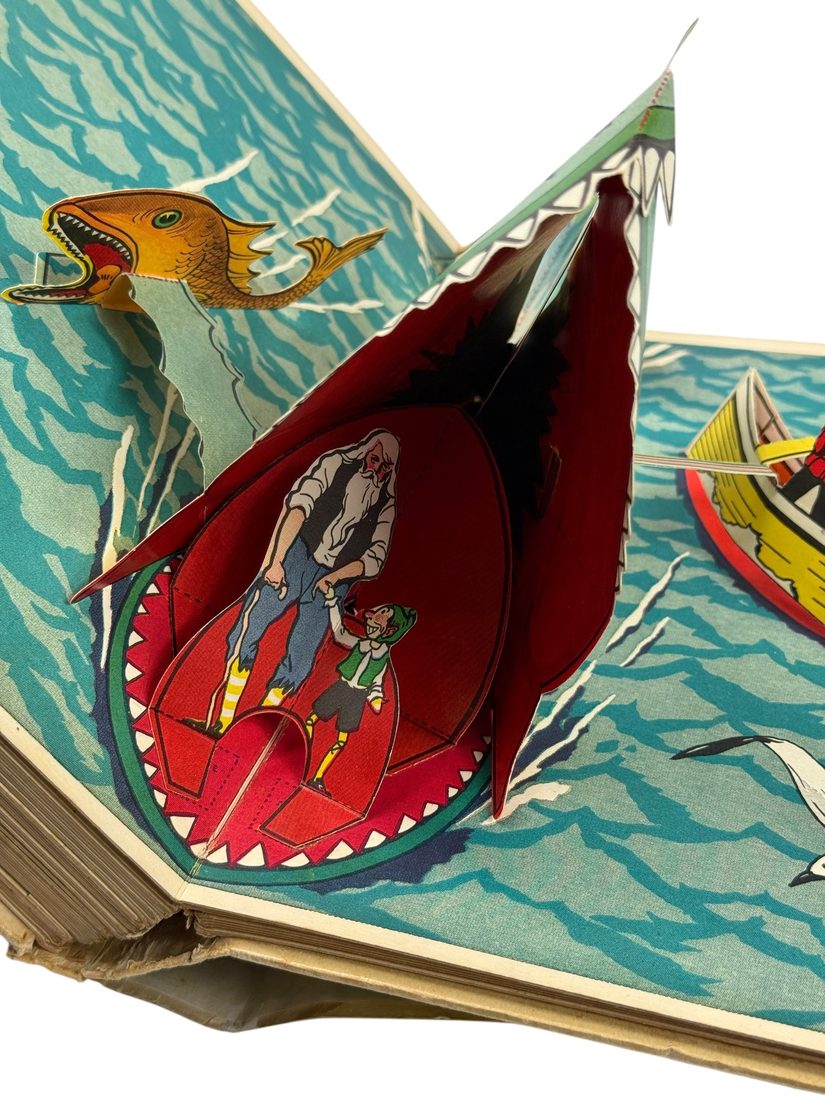
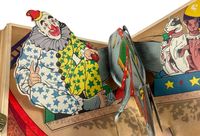
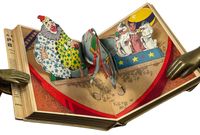
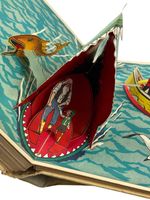
Four double-page colour pop-up plates
This volume presents a retelling of Pinocchio, the classic story of a wooden puppet’s journey toward becoming a real boy. Adapted from Carlo Collodi’s original late 19th-century narrative, this edition underscores the moral and didactic elements that made the tale a cornerstone of children’s literature, particularly focusing on themes of honesty, responsibility, and redemption.
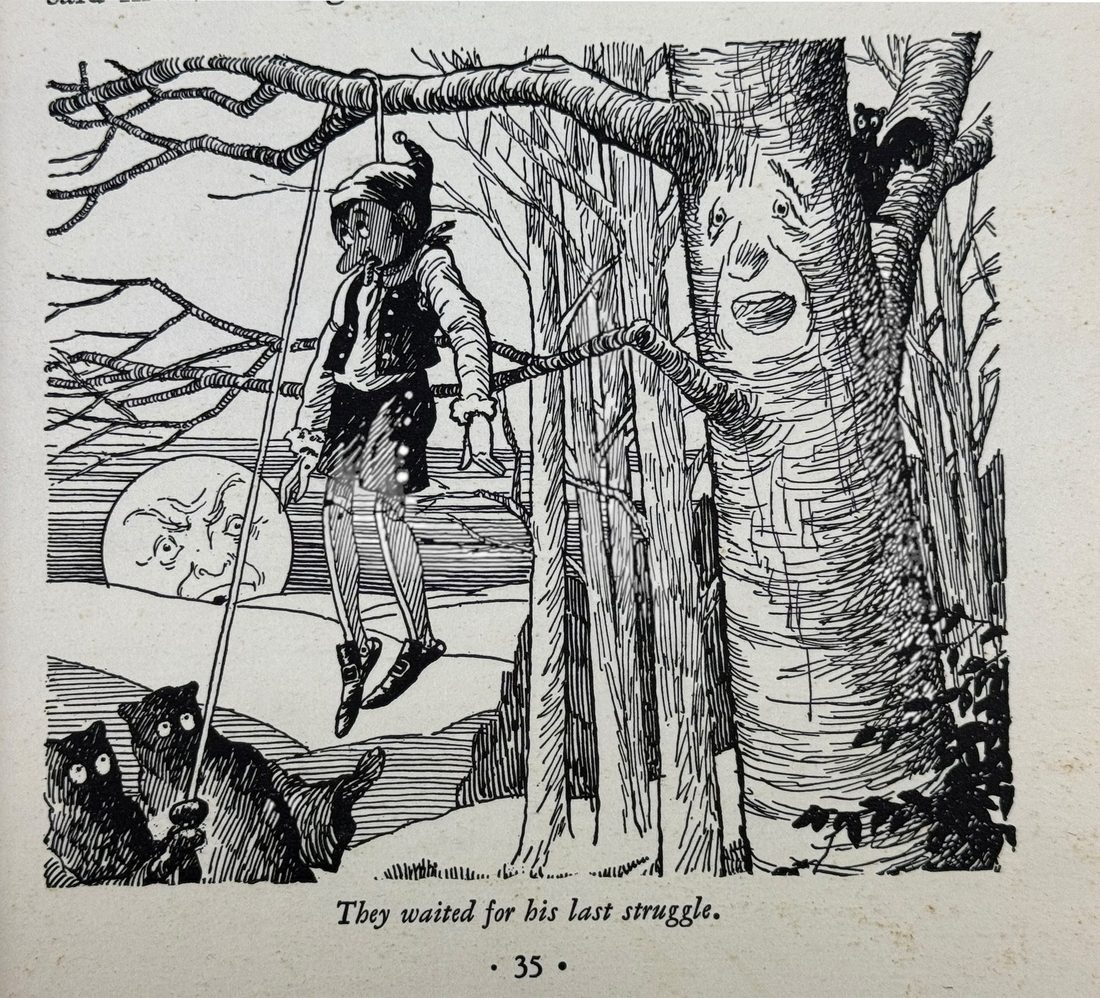
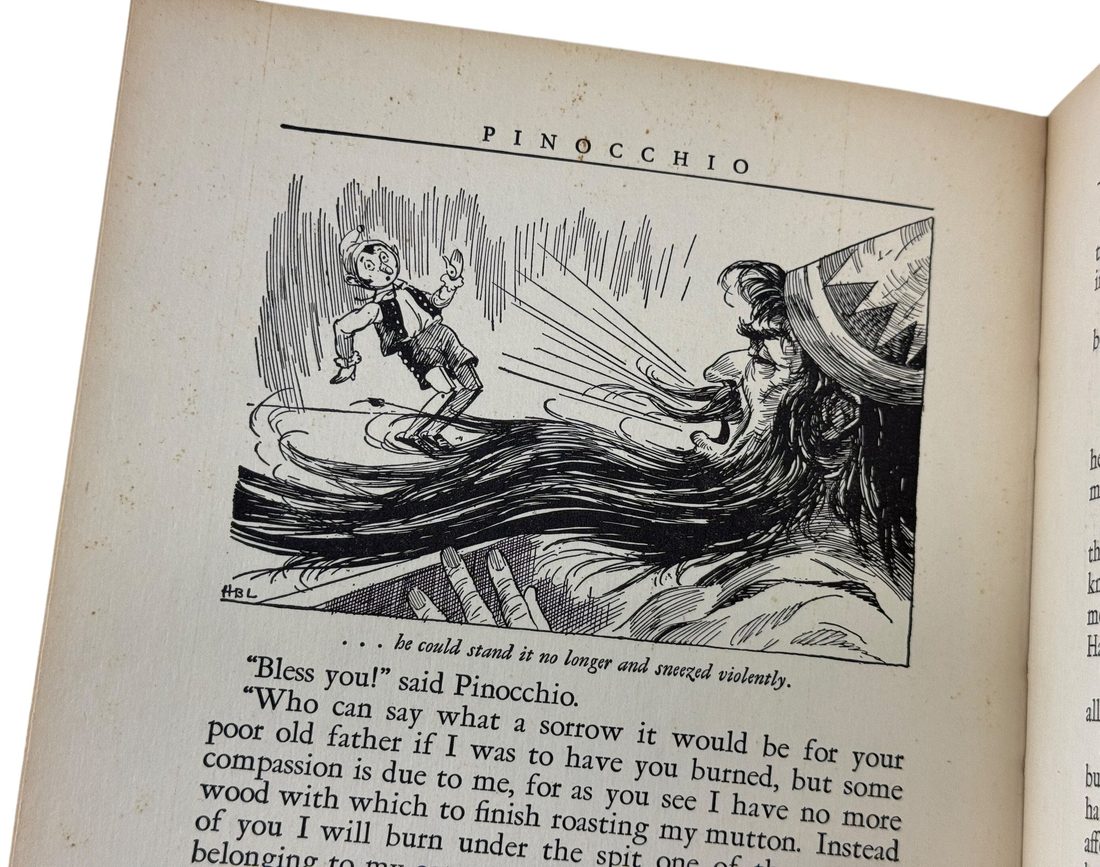
Harold Lentz’s innovative use of pop-up illustrations vividly animates key scenes—such as Pinocchio’s encounters with tricksters, his transformation under the Fairy’s guidance, and the climactic moments that lead to his ultimate metamorphosis. The four double-page color pop-ups, a hallmark of Lentz’s technique, offer an immersive visual dimension for young readers and collectors alike. Additional black-and-white illustrations scattered throughout the text complement the pop-up scenes, reflecting early 20th-century American graphic style.
Printed in 1932 by Blue Ribbon Books in New York, this work emerged during a period of economic hardship in the United States, coinciding with the Great Depression (1929–1939). Despite strained financial conditions, children’s literature and novelty publications (particularly those with mechanical or pop-up elements) retained commercial appeal. Publishers such as Blue Ribbon recognized the continued demand for engaging children’s books, leading to the production of elaborate, high-quality editions that capitalized on entertainment value as well as instructional merit. Lentz’s pop-up format—sometimes referred to as “animated” or “living” books—was part of a broader movement in publishing to produce innovative, interactive volumes that would capture the imaginations of younger audiences despite an era of limited resources.
Carlo Lorenzini, better known by his pen name Collodi, was born on November 24, 1826, in Florence, Italy, and passed away on October 26, 1890. Initially engaged as a political journalist, he gained prominence through his satirical essays and articles published in the newspaper Il Lampione, a platform he founded in 1848 to promote liberal and nationalistic ideals. After the unification of Italy, he turned to children's literature, inspired by the pedagogical theories of the time, which emphasized morality and imagination as tools for education. His crowning achievement, Le avventure di Pinocchio. Storia di un burattino (first serialized in Giornale per i bambini in 1881 and published as a book in 1883), embodies his literary genius, merging folkloric elements with a profound exploration of human virtue, vice, and redemption, set against the backdrop of an Italy grappling with modernization and social transformation. Other notable works include Giannettino and Minuzzolo, didactic tales designed to entertain while instilling moral lessons. Collodi’s contribution to children’s literature was transformative, weaving imaginative narratives with ethical underpinnings, a hallmark that has ensured his enduring legacy in the literary canon.
Harold B. Lentz was an American illustrator and paper engineer active in the 1930s. He collaborated with Blue Ribbon Books to produce a series of "Pop-Up" editions, including, beside the presented Pinocchio,:
The "Pop-Up" Mother Goose (1933), a collection of classic nursery rhymes with pop-up illustrations; The "Pop-Up" Cinderella (1933), a retelling of the Cinderella fairy tale, featuring interactive pop-up scenes, Jack the Giant Killer (1932), including stories like "Jack and the Beanstalk," "Little Red Riding Hood," and "Sleeping Beauty," all with Lentz's pop-up illustrations.
Lentz's work is characterized by his innovative paper engineering and vibrant illustrations, which have made his books highly sought after by collectors. His contributions significantly advanced the popularity and development of movable books in American children's literature during the early 20th century.
Blue Ribbon Books, established in New York in 1929, was a pioneering American publishing house and bookselling enterprise specializing in high-quality reprints of significant literary, historical, and academic works at affordable prices. Operating during the economic challenges of the Great Depression, the company aimed to make classic and contemporary literature accessible to a wider audience, bridging the gap between scholarly demand and public affordability. Known for its collaborations with prominent authors and its streamlined production methods, Blue Ribbon Books became a hallmark of democratized literary culture in early 20th-century America. The company’s catalog encompassed a diverse range of subjects, including fiction, biography, history, and science, contributing to the educational enrichment of the American public. Its innovative business model influenced the growth of the reprint market, a legacy that resonated in the subsequent evolution of mass-market publishing. Blue Ribbon Books ceased operations in the mid-20th century, but its impact on literary dissemination and accessibility remains a notable chapter in the history of American publishing.
Condition: Very good conditions.
Provenance: Red stamp Megan | Michael Dawson at front flyleaf. They ran a book business, dealing in children's books and pop up books and organised the biennial Ilkley Literature Festival between 1973 and 1989.
References: S. Van Dyk, To Tell the Truth, Copper-Hewitt, February 7, 2013; S. Aurinko, Magnificent Movables: Pop-up Books at The Newberry Library, Newcity Communications, 2023.