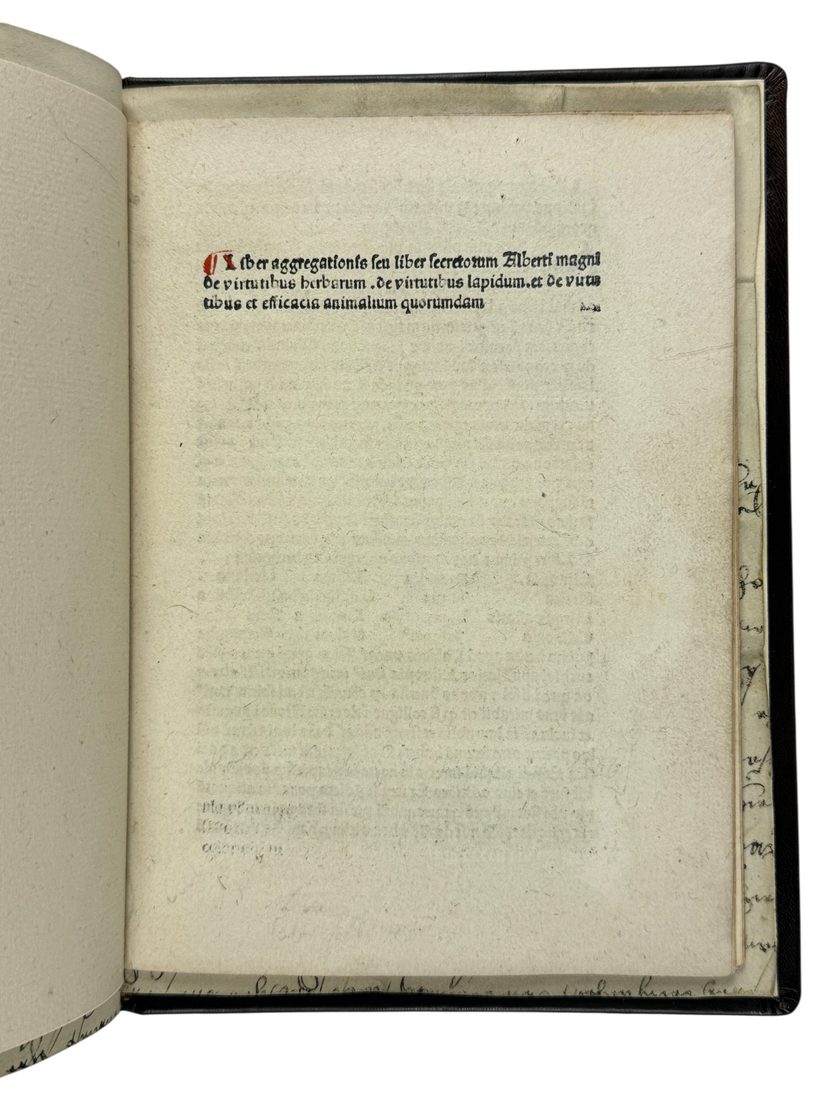
Liber aggregationis seu liber secretorum



| Macro-category | Rare Books and Manuscripts |
| Subcategory | Occult |
| Author | Albertus Magnus (Pseudo-) |
| Place of printing | Koln |
| Publisher / Maker | Kornelius von Zierikzee |
| Year | 1499 |
the incunable core of the «Albert Grimoire» tradition:
natural occult science at the dawn of print
only seven copies recorded in public institutions
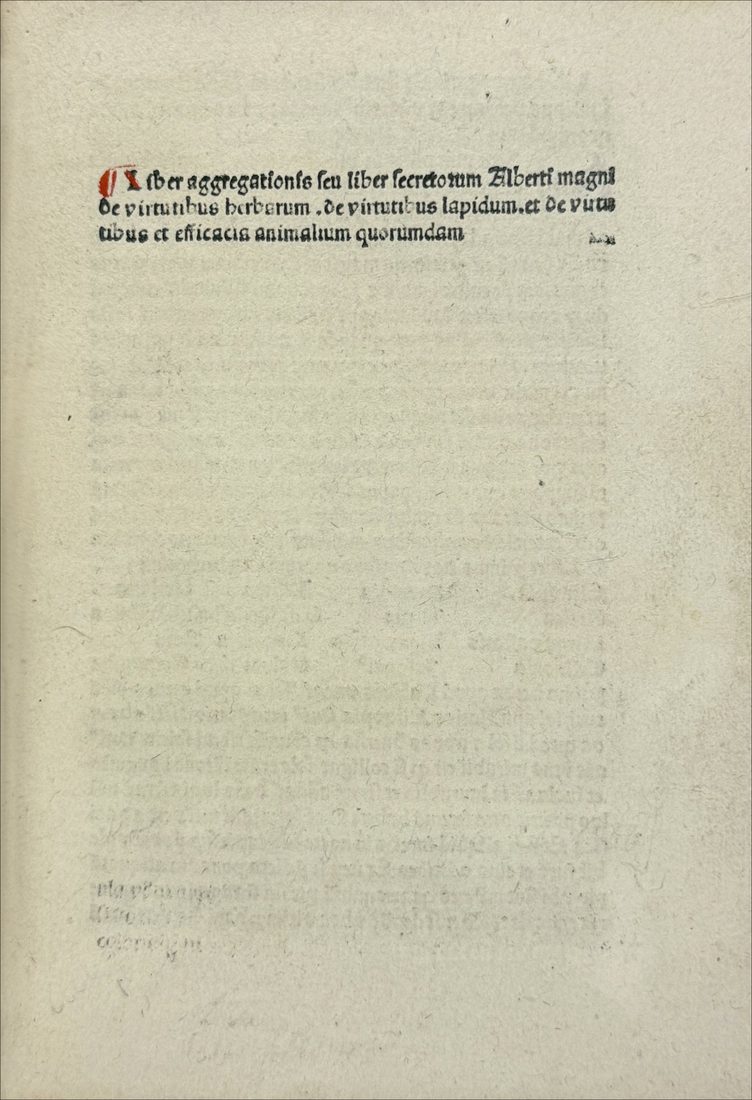
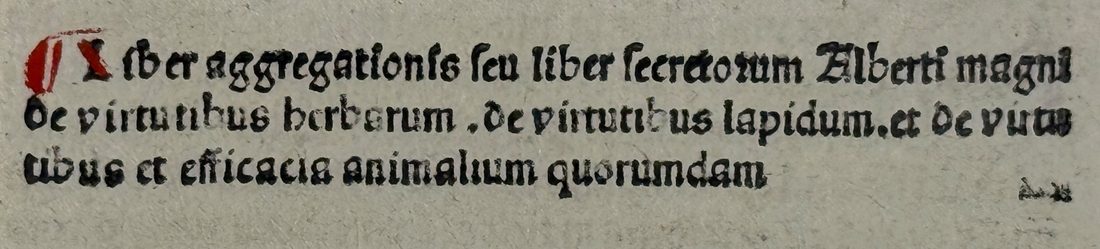
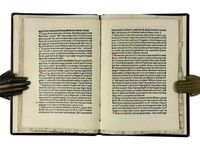
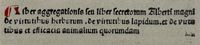
Pseudo-Albertus Magnus. Liber aggregationis seu liber secretorum de virtutibus herbarum, de virtutibus lapidum, et de virtutibus et efficacia animalium quorumdam.
Cologne, Kornelius von Zierikzee, ca. 1499–1500.
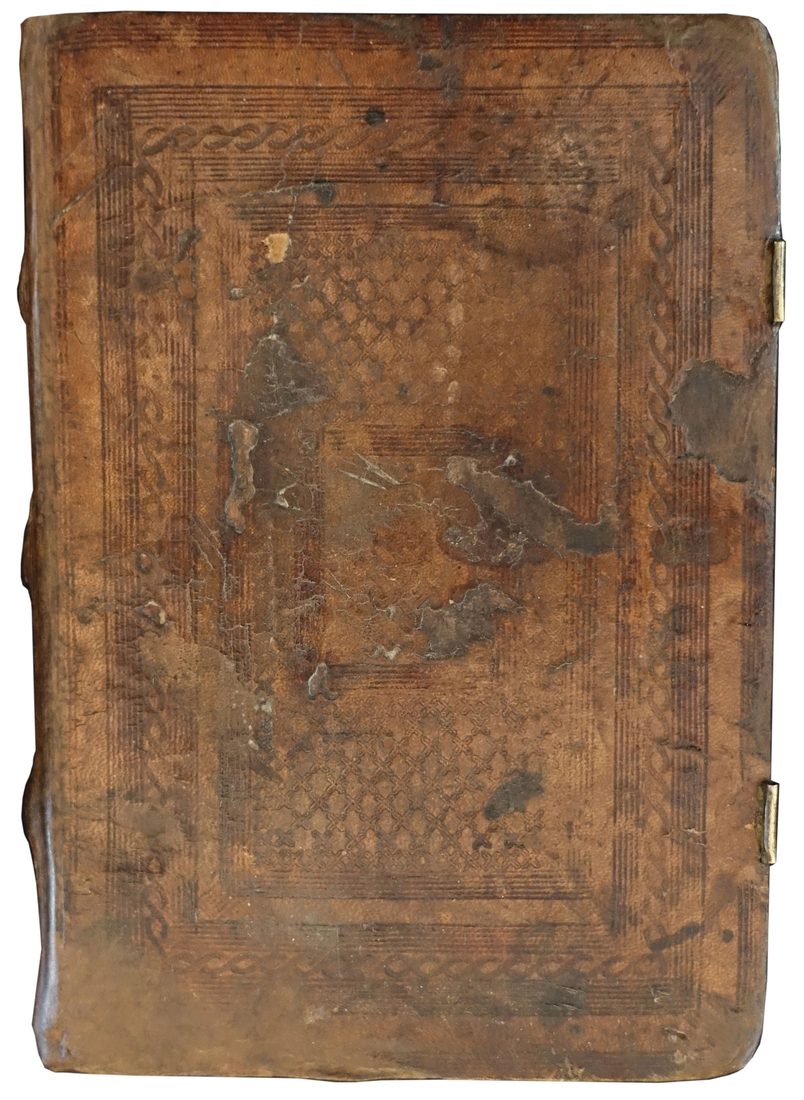
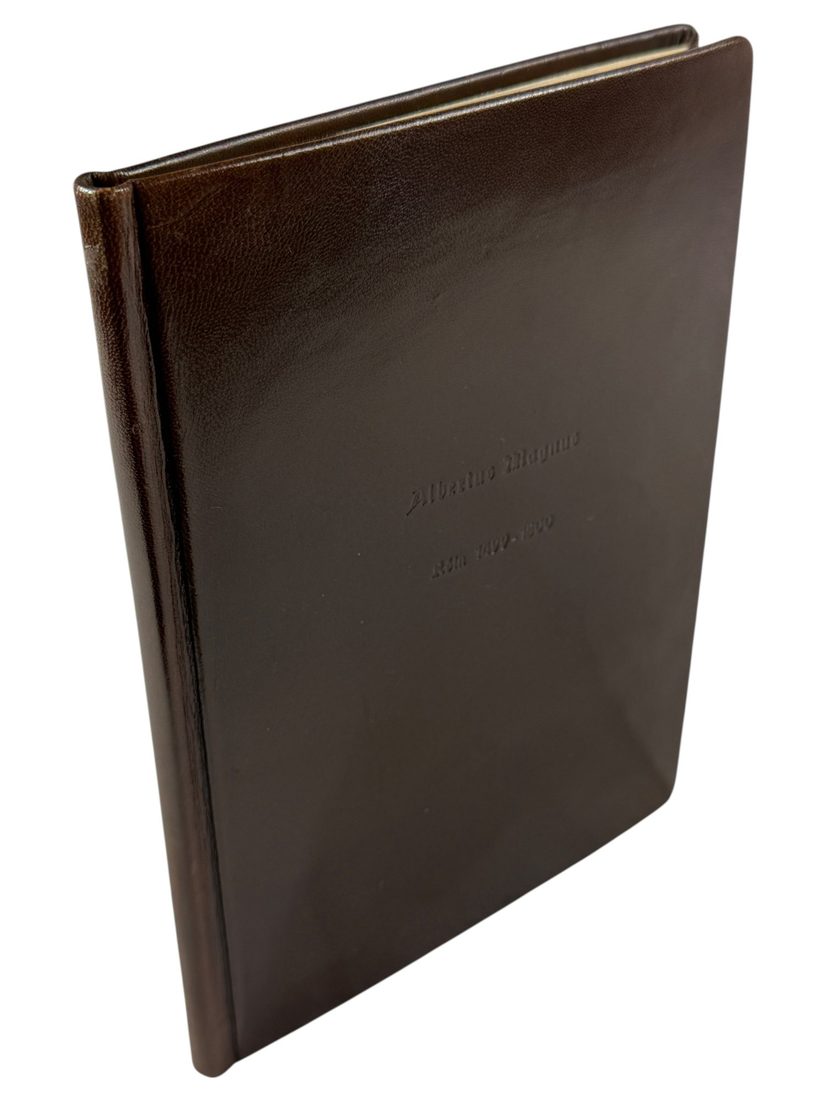
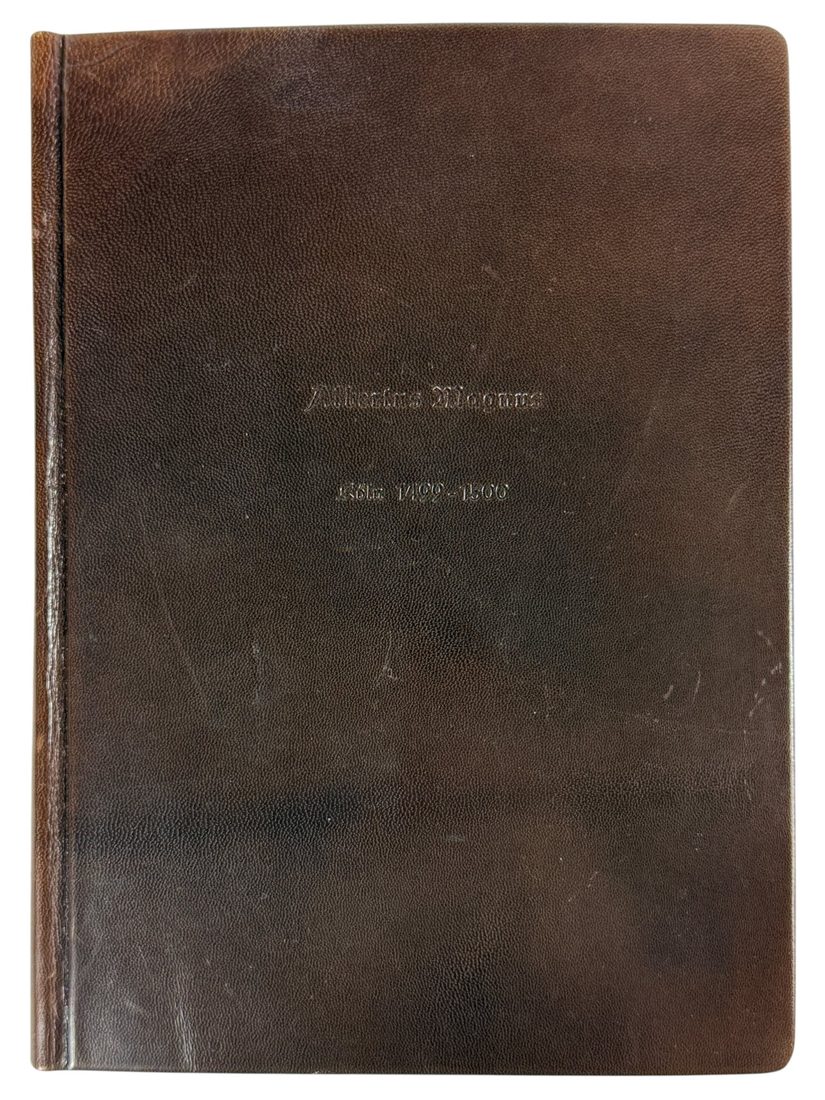
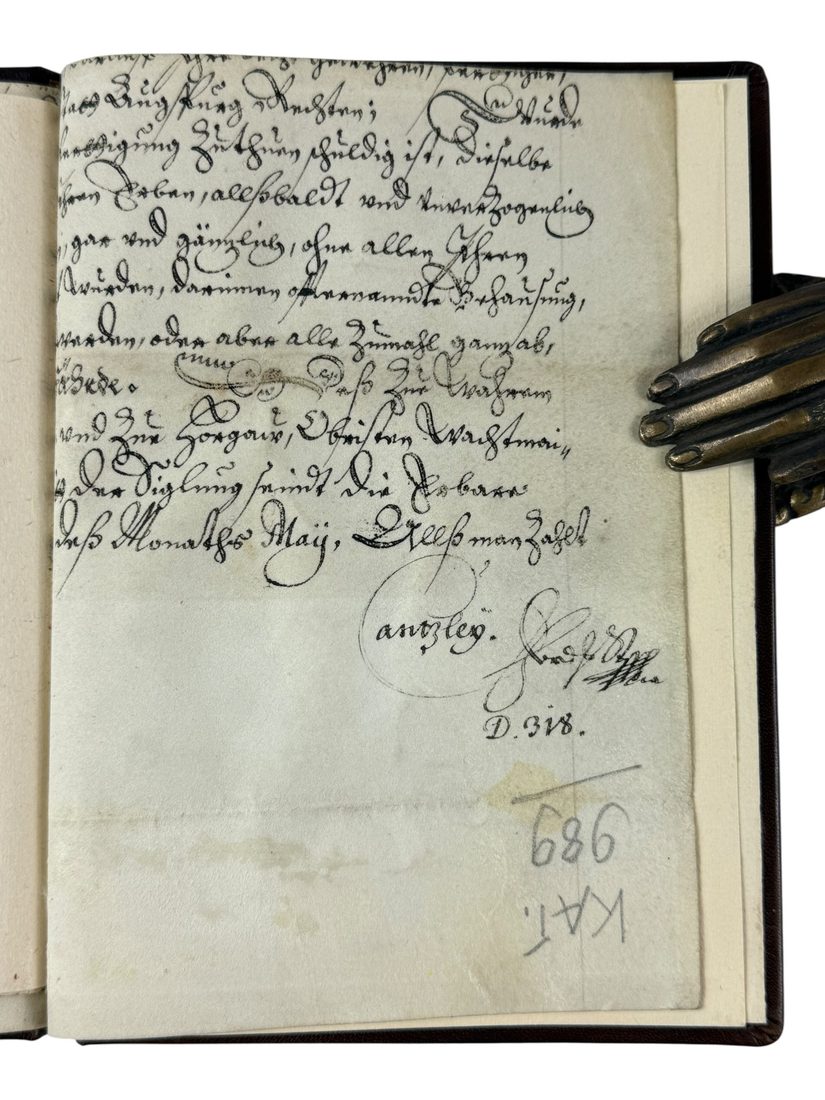
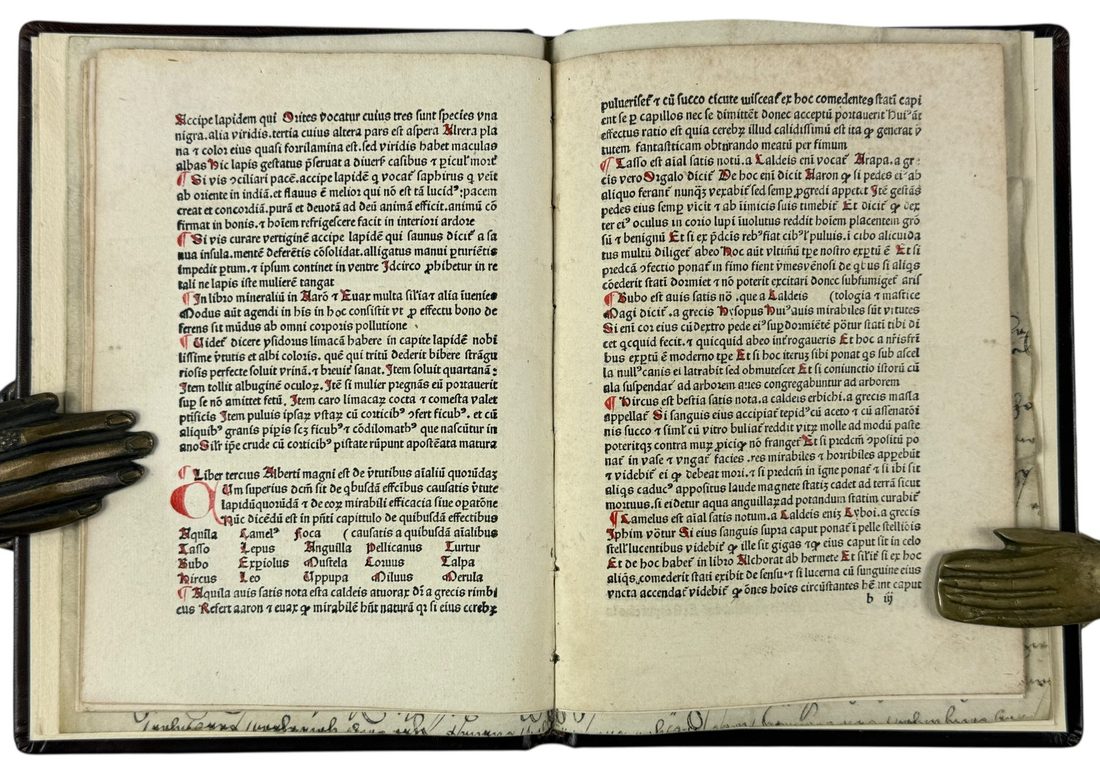
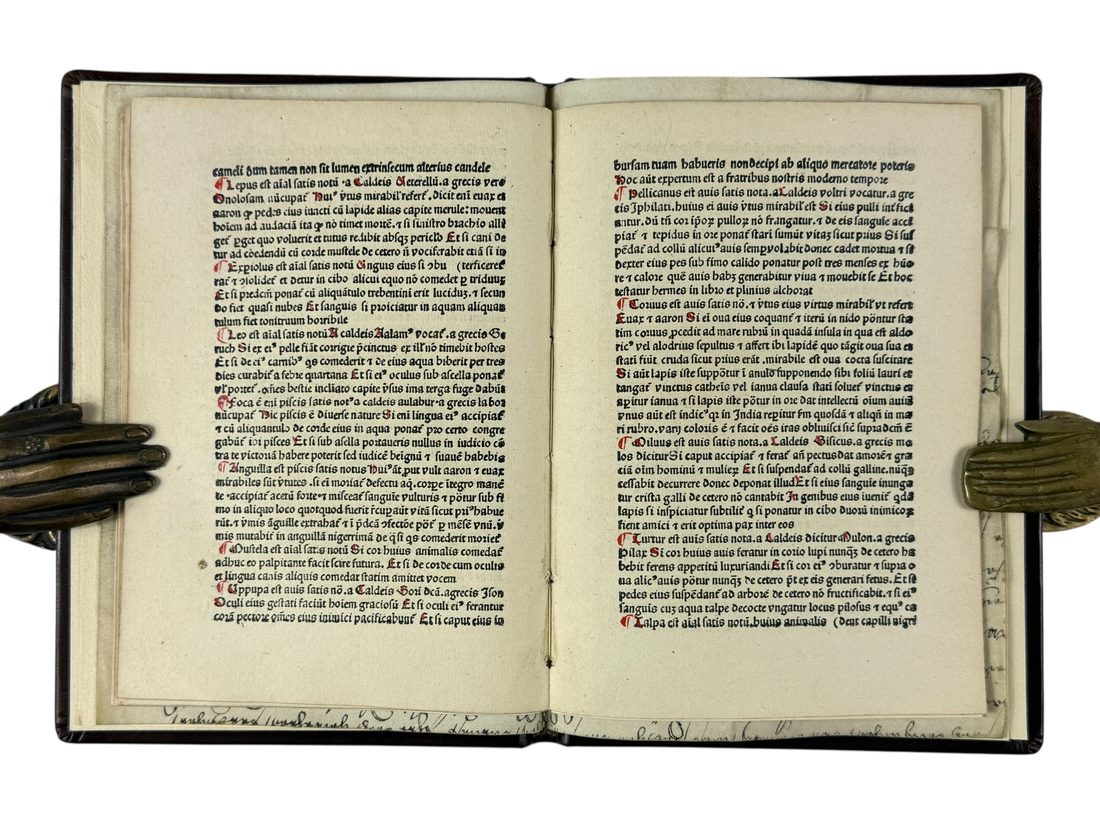
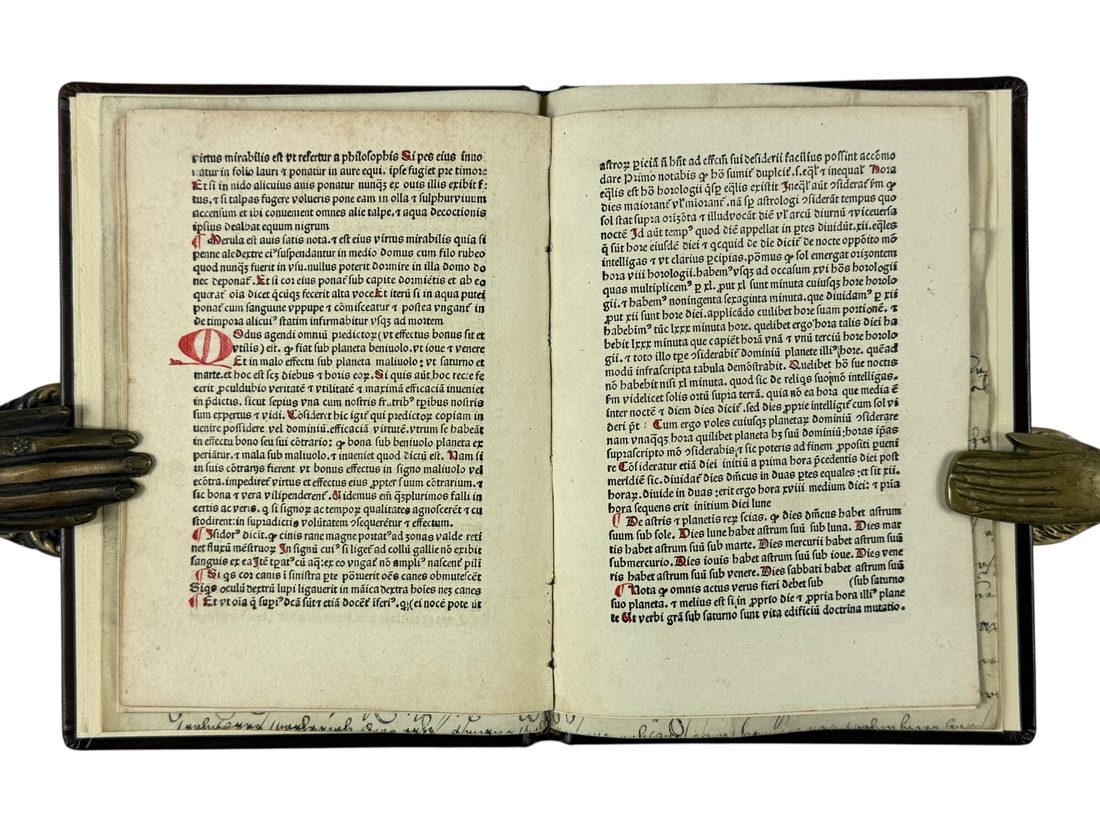
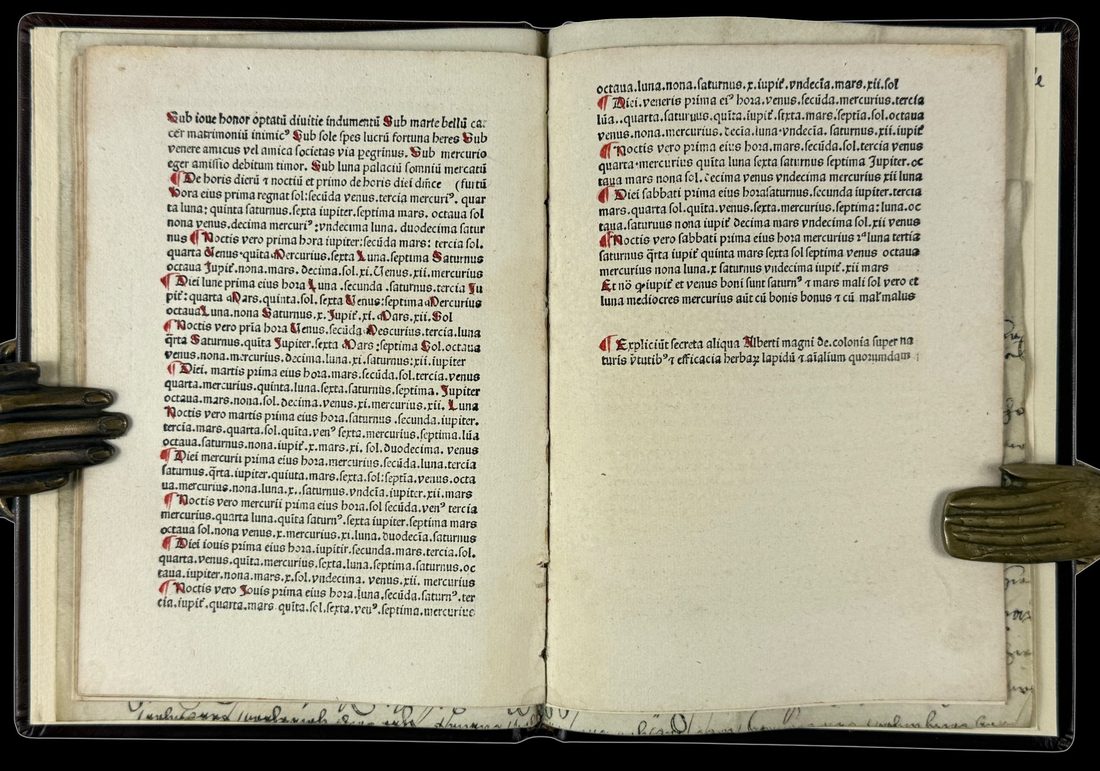
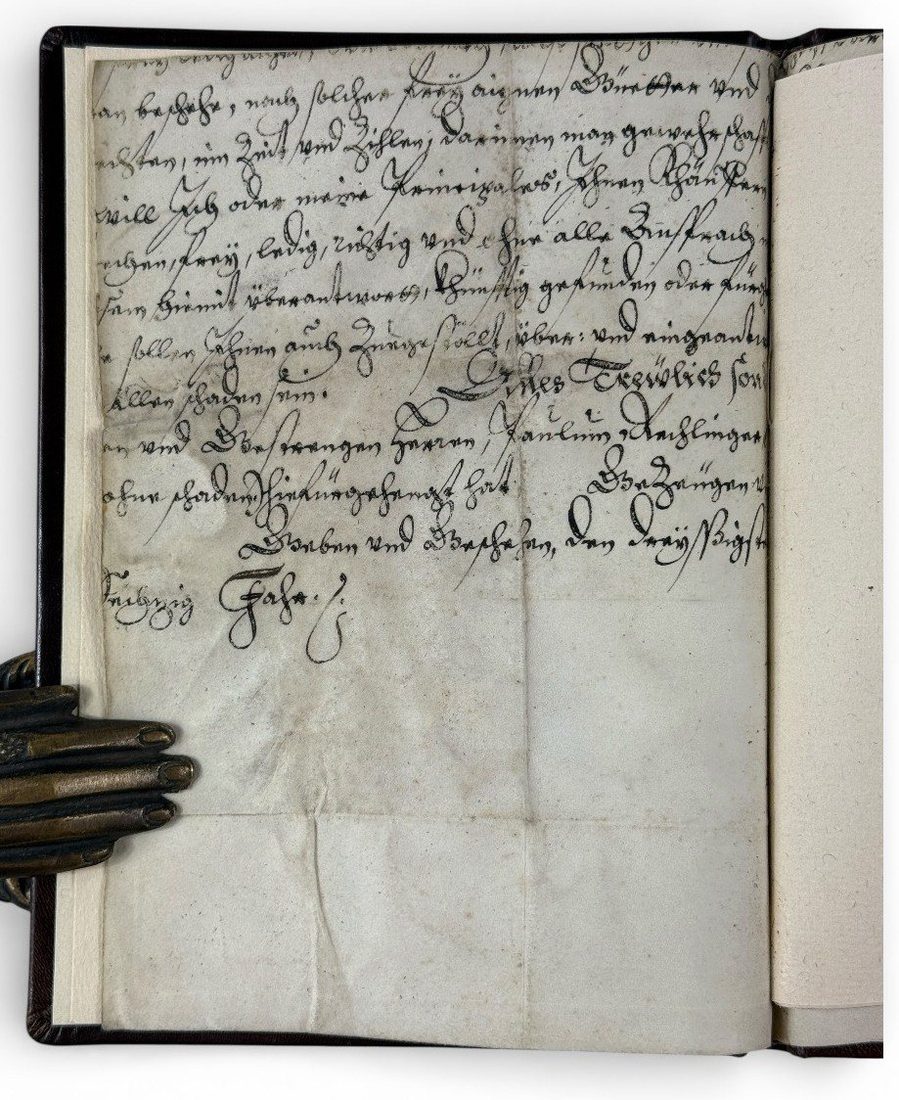
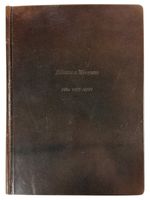
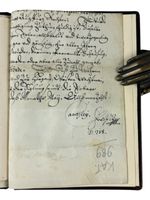
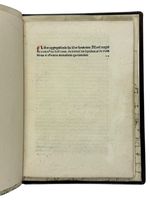
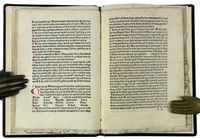
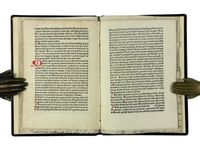
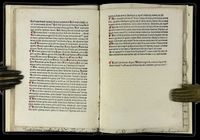
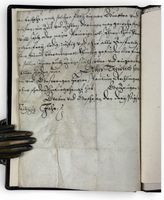
4to (185 × 135 mm), modern full calf binding, blind-stamped cover title, two seventeenth-century parchment leaves from a document bound in as structural reinforcements, ff. [12], printed in Gothic rotunda type, 34 lines per page, rubricated throughout with handwritten red initials, final leaf b6 blank on verso. Signatures: ab⁶, with reduced signature system (only a3, b1, and b3 signed).
This rare Cologne incunable transmits the earliest printed Latin form of the Liber aggregationis, the textual nucleus from which the later vernacular Grand Albert and Petit Albert traditions ultimately developed.
Unlike the expanded early modern compilations commonly classified as grimoires, this work belongs fully to the late medieval tradition of libri de secretis. It presents a systematic compendium of the occult natural properties of herbs, stones, and animals, articulated within an Aristotelian natural-philosophical framework. Its procedures concern hidden virtues (virtutes occultae) operative in nature, rather than ceremonial conjurations or ritual invocations. The volume thus stands at the genealogical origin of the later Albertine magical corpus, while remaining fundamentally a late medieval handbook of natural occult science rather than a grimoire of spirit invocation in the later sense of the term.
The text opens with a Prologus (leaf a1r–a1v), which establishes the epistemological premises of the treatise. The author defends the legitimacy of knowledge concerning natural effects, arguing that science is not intrinsically evil but may be directed toward good or ill according to its application. Magic is implicitly distinguished between harmful superstition and legitimate inquiry into natural causation. This clarification is central: the treatise presents itself as an investigation of natural properties, not as illicit necromancy.
The work is divided into three books.
Liber Primus – De Virtutibus Herbarum
The first book (a2r–b1r) enumerates a sequence of herbs, typically introduced by their Chaldean, Greek, and Latin denominations, reflecting the encyclopedic method characteristic of medieval natural science. Among the plants treated are heliotrope, mandrake, centaury, salvia, serpentina, rosa, and others.
Each chapter follows a consistent structure: nomenclature, brief description, and a detailed account of operative effects. The virtues attributed include protection against theft, detection of wrongdoing, influence over affections, treatment of wounds, control over animals, and remedies for specific ailments.
The procedures described involve combinations of vegetal substances with oils, powders, fumigations, or amuletic application. Although certain passages may approximate what later readers would describe as magical practice, they remain grounded in the activation of inherent natural qualities rather than in the invocation of spiritual entities. The text provides no liturgical formulae for demon summoning in the later grimoire sense.
Liber Secundus – De Virtutibus Lapidum
The second book (b1v–b4r) is devoted to stones and minerals. A substantial series of named lapides is presented, including adamans, topazion, smaragdus, draconites, chalcedonius, and many others.
Each stone is described according to its colour, provenance, and occult virtue. Effects attributed to these minerals include protection against adversaries, fortification of courage, extinguishing of fire, cure of fevers, influence over dreams, safeguarding of travellers, and neutralisation of poisons.
The structure clearly reflects the medieval lapidary tradition deriving from Pliny, Isidore of Seville, and Arabic scientific sources. The operative logic remains naturalistic: stones act through intrinsic properties, often understood as shaped by celestial influence, rather than through any pact with demonic forces.
Liber Tertius – De Virtutibus Animalium
The third book (b4r–b6r) addresses animals and their parts. Birds such as the eagle, owl, and pelican appear alongside terrestrial creatures including the wolf and mole.
Animal substances, blood, bones, feathers, and other parts, are assigned specific efficacies when prepared or worn according to prescribed methods.
The treatise concludes with a section on planetary hours and astrological timing (b5v–b6r), offering tables correlating days and hours with planetary governance. This final astrological apparatus situates the work firmly within medieval cosmological science and reinforces its natural-philosophical orientation.
The explicit reads: Expliciunt secreta aliqua Alberti magni de colonia super naturis virtutum et efficacia herbarum lapidum et animalium quorumdam (“Here conclude certain secrets of Albert the Great of Cologne on the natures of the powers and the efficacy of certain herbs, stones, and animals”), followed by the blank verso of leaf b6.
The Liber aggregationis belongs to the late medieval tradition of compilatory secret literature. From the thirteenth century onward, works entitled De secretis circulated widely, synthesising herbal medicine, lapidary lore, zoological symbolism, and practical experimenta.
Attribution to Albertus Magnus conferred exceptional authority. Albert’s reputation as universal doctor of natural philosophy rendered his name a powerful vehicle for pseudoepigraphal transmission of texts concerned with hidden properties of nature.
In the seventeenth and eighteenth centuries, the core material of this work was absorbed and expanded in the vernacular Grand Albert and Petit Albert, where ritual, talismanic, and occasionally demonological elements were introduced. The present incunable thus represents the philological and conceptual ancestor of the later Albertine grimoire tradition, while itself remaining firmly embedded in scholastic natural occultism.
Albertus Magnus (c. 1200–1280), Dominican friar, theologian, and philosopher, studied in Padua and taught in Paris and Cologne. He was among the principal mediators of Aristotelian philosophy to the Latin West and the teacher of Thomas Aquinas.
His major authentic works include De animalibus, an encyclopedic zoological treatise; De mineralibus, a systematic mineralogical study; Summa theologiae (incomplete); De vegetabilibus, a botanical compendium; and extensive commentaries on Aristotle’s natural philosophy.
The Liber aggregationis is universally regarded as pseudo-Albertine. Modern scholarship situates it among later medieval compilations rather than within Albert’s authentic corpus.
Census: Only seven copies recorded in public institutions: Germany, Bamberg, Staatsbibliothek; Germany, Köln, Universitäts- und Stadtbibliothek; France, Metz, Médiathèque Verlaine; The Netherlands, Heeswijk, Abdij van Berne; Russia, St Petersburg, National Library of Russia; United Kingdom, Glasgow, University Library; USA, LCH.
Conditions: Minor marginal stain at f. [6]; otherwise well preserved and internally fresh.
References: GW 618; ISTC ia00264000; Copinger, 167; Goff, A-264; Klebs, 18.2; IDL, 155.