De naturalium effectuum causis, sive de Incantationibus
| Macro-category | Rare Books and Manuscripts |
| Subcategory | Occult |
| Author | POMPONAZZI, PIETRO |
| Place of printing | Basel |
| Publisher / Maker | Henrichum Petri |
| Year | 1556 |
first edition of the work
who anticipated the Enlightenment
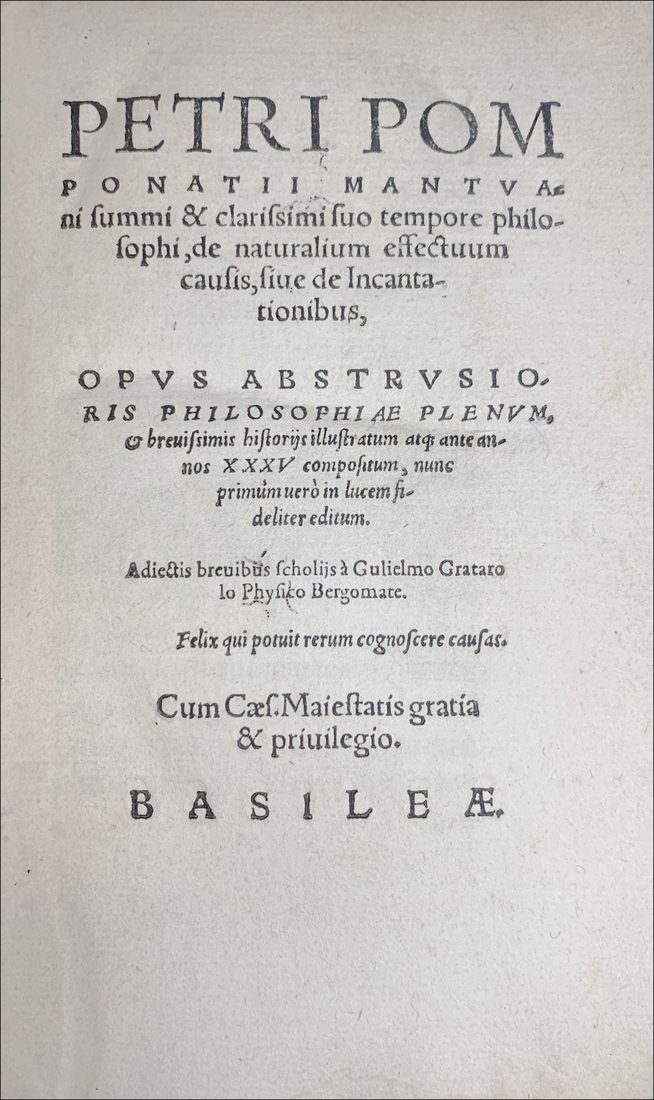
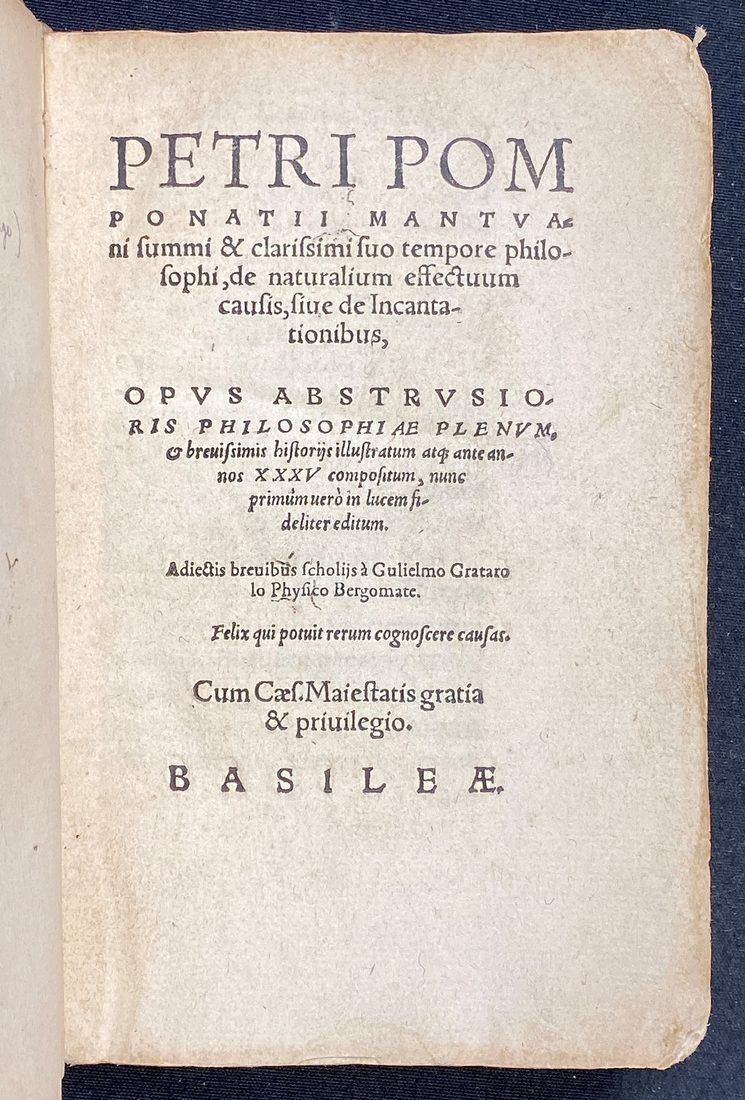
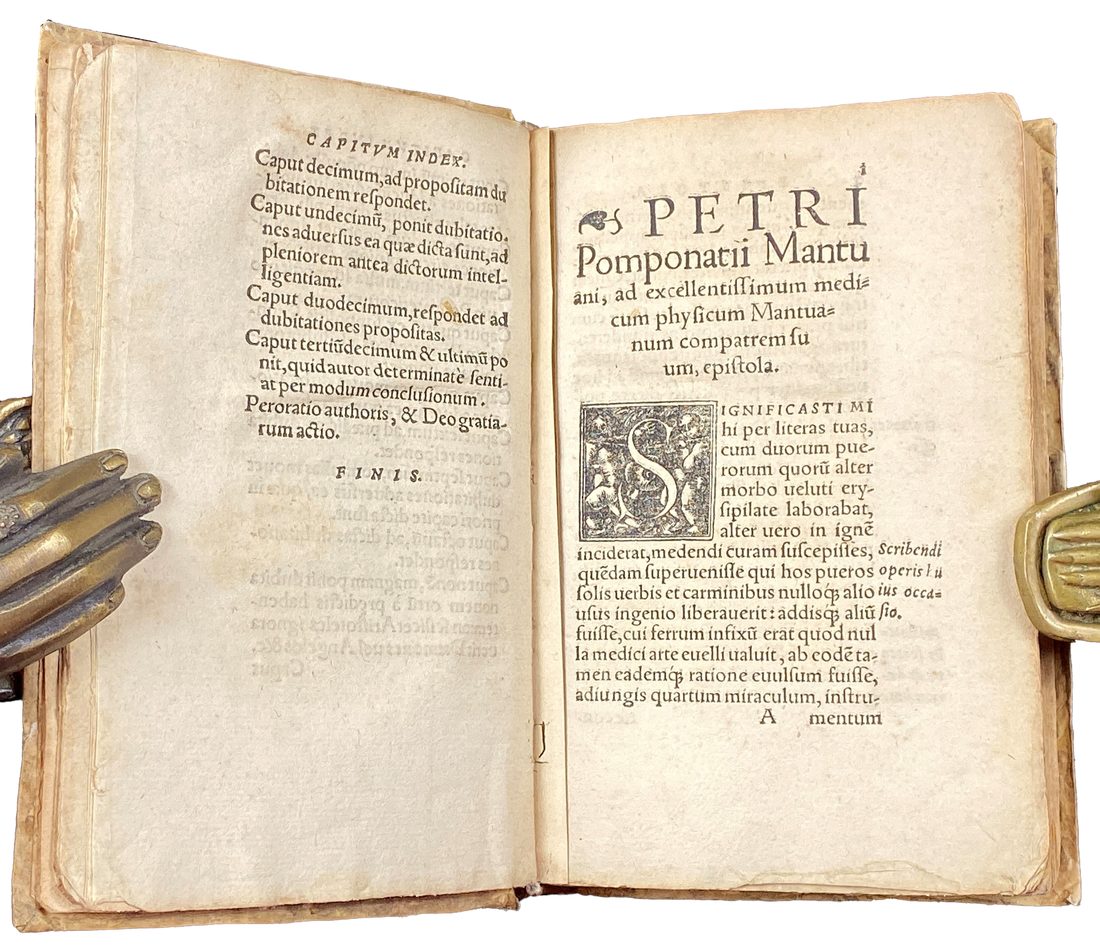
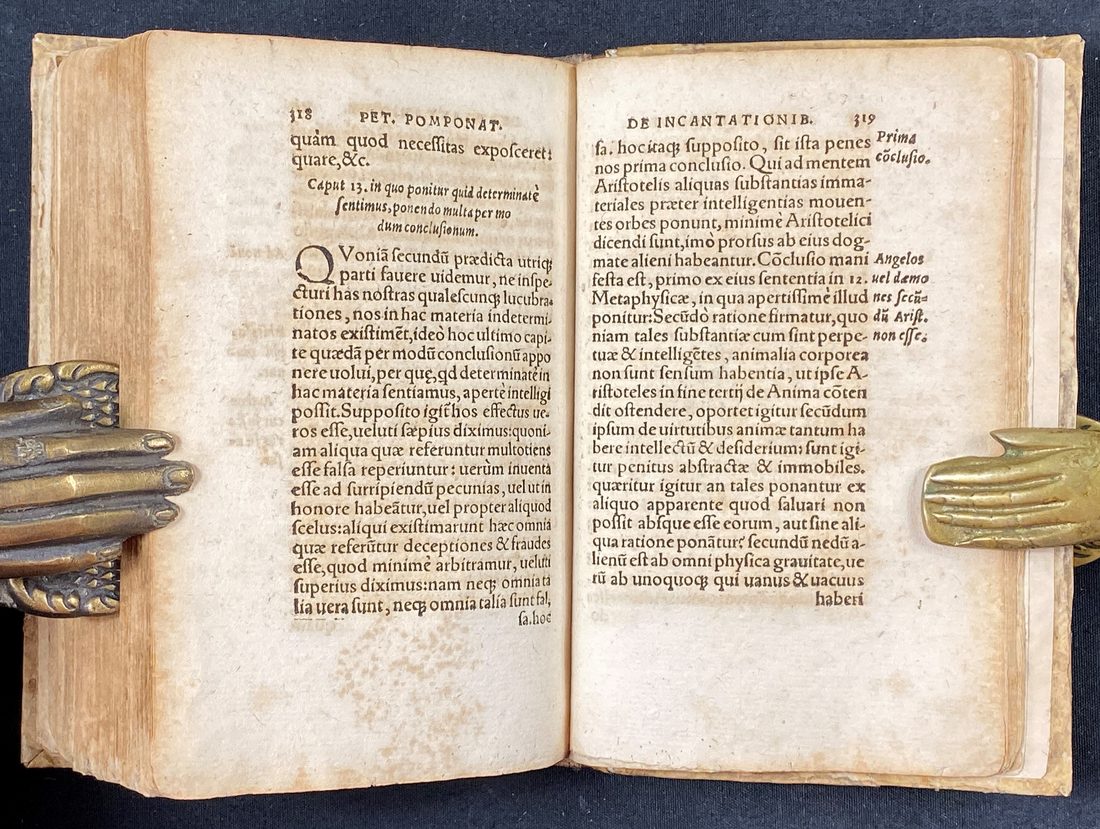
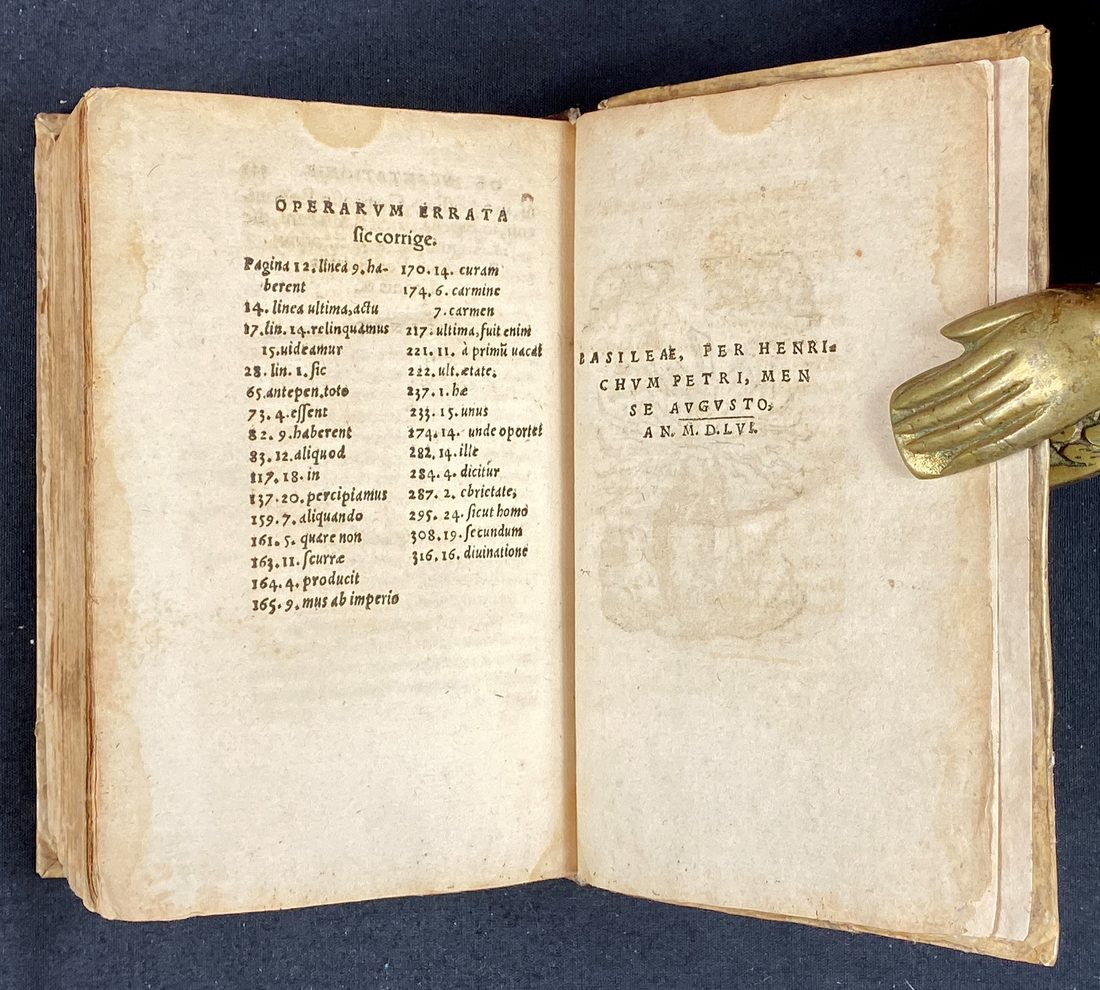
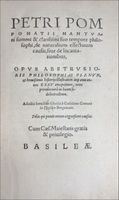
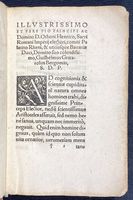
Pomponazzi, Pietro. De naturalium effectuum causis, sive de Incantationibus. […] Adiectis breuibus scholijs à Gulielmo Grataro lo Physico Bergomate. Felix qui potuit rerum cognoscere causas. Basel, [at colophon: Per Henrichum Petri, 1556].
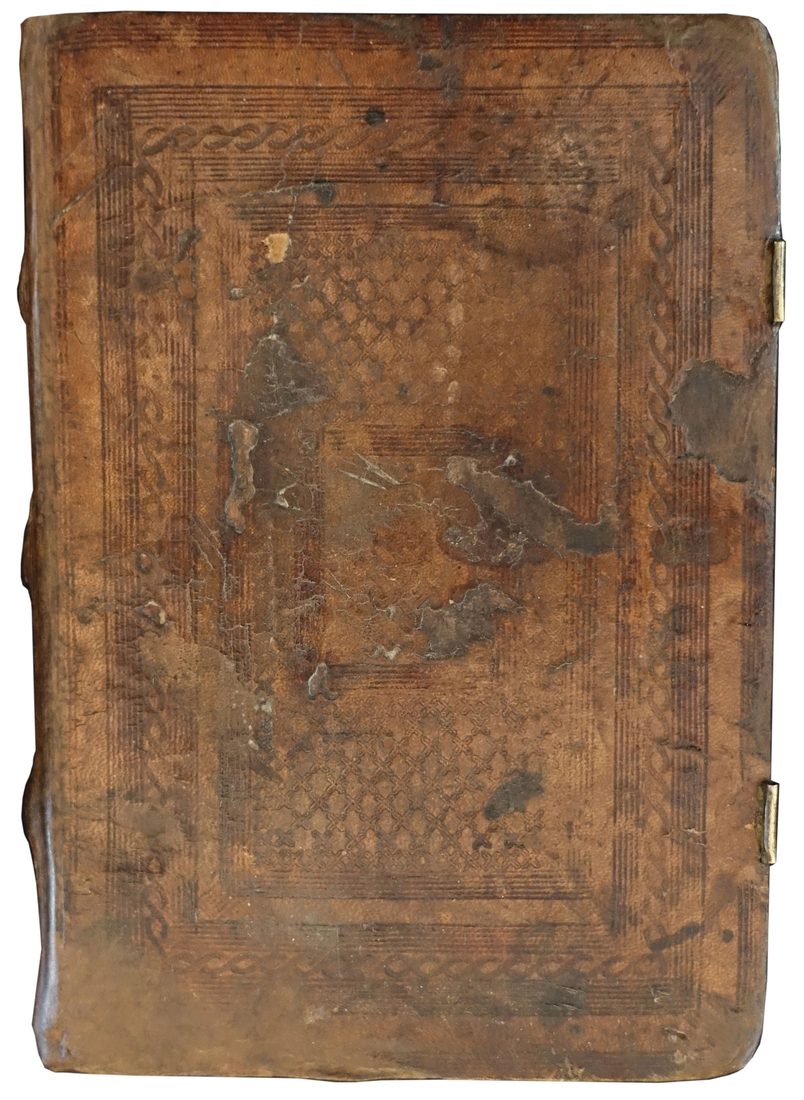
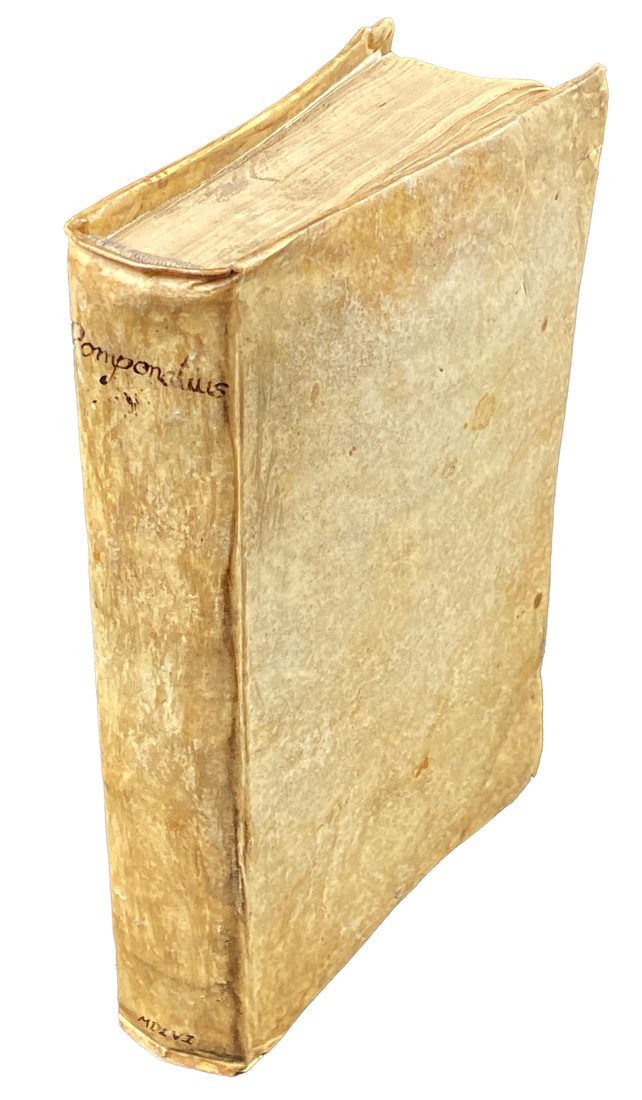
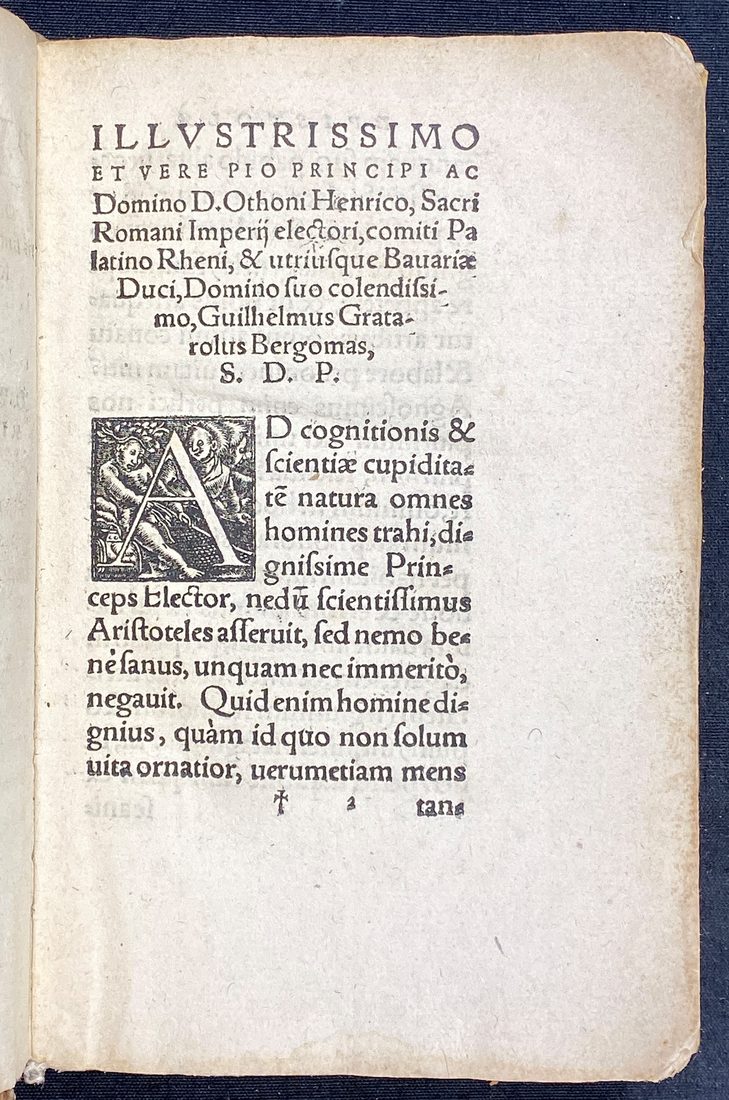
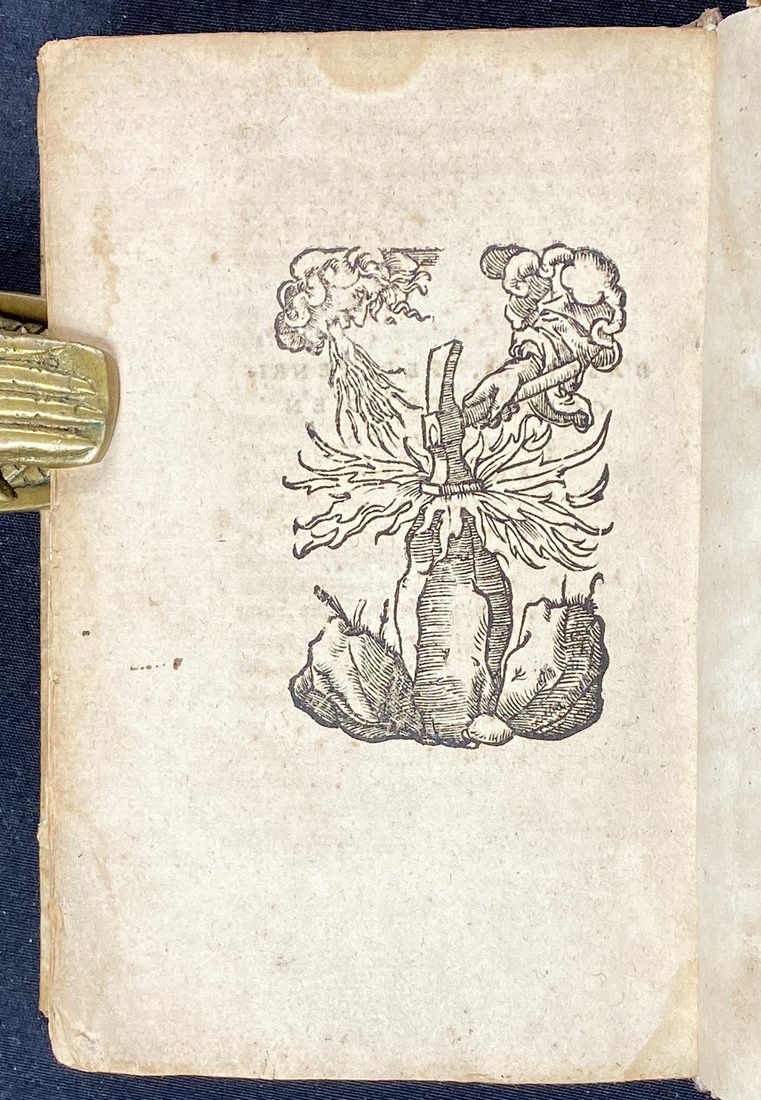
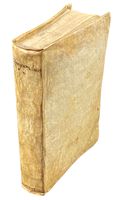
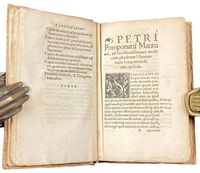
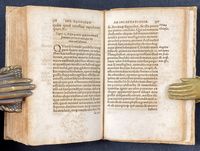
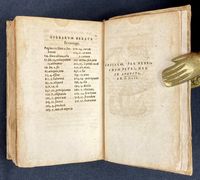
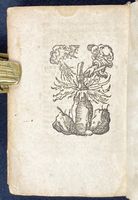
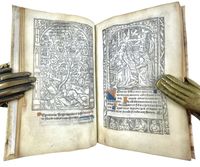
8vo (175x110 mm), near contemporary limp vellum, handwritten author name in sepia ink at spine, pp. [16], 349, [3]. Five large woodcut initials and woodcut printer’s device at verso of last leaf.
scarce first edition of Pomponazzi treatise on the natural causes of miracles and magic events: a revolutionary book and one of the most influential work in the history of modern thought.
With a purely naturalistic and immanent view of the natural process, Pomponazzi here frees man’s thought from the bounds of religion and provides modern thinkers and scientists with pure empiricism and naturalism.
The work constitutes a forerunner of Naturalism and Empiricism and could be considered the first true Enlightenment work ever. The appeal to experience is the main concern of the work, and its strict and completely novel way of treating the subject matter resulted in a hitherto unattained elevated position of philosophy in the Latin West, providing to philosophy a new method that remains dominant to this day and without which we would scarcely be able to imagine modern philosophy.
Proclaiming the victory of philosophy over religion, the De Incantationibus changed the entire history of philosophy. Medieval theologians and philosophers as well as most Renaissance thinkers were content to limit the role of reason in nature because they sincerely believed that the Christian God intervened in the natural order to create miraculous occurrences. But once Pomponazzi applied the critical method of Aristotelian science to all religious phenomena, Christian miracles were engulfed by the processes of nature. Absorbed by the «usual course of nature», the miracle could no longer be the product of divine fiat. (Pine, p. 273).
The work was originally written in 1520, but was not published in Pomponazzi’s life-time. It circulated in manuscript form, however, and was also as such widely noted. In 1552, 27 years after Pomponazzi’s death, the manuscript was brought to Basel by Pomponazzi’s student Guglielmo Gratarolo, who had had to flee Italy due to his anti-religious views. Here, in Basel, he had the book printed for the first time, with a foreword written by himself, in 1556. This was the very first time that the book was published, as it had also not been included in the standard edition of Pomponazzi’s collected works, published at Venice the year after his death, 1525 - presumably due to its dangerous and revolutionary views.
In his preface, Gratarolo expresses fear that someone may think him either over curious or less Christian for publishing this book. He furthermore explains that he had purchased the manuscript 20 years earlier and brought it with him North when leaving Italy 6 years previously : «granting, however, that there may be something in the work which does not entirely square with Christianity, Gratarolo thinks that it should not be suppressed or withheld from the scholarly public, since it contains more solid physics and abstruse philosophy than do many huge commentaries of certain authors taken together». (Thorndyke, V, p. 99-100).
It is no wonder that it was placed on the index of forbidden books immediately upon its publication.
References: Wellcome I 5153; DSB XI, 71-74. M.L. Pine, Pietro Pomponazzi: Radical Philosoper of the Renaissance, 1986, pp. 254-56: «Pomponazzi has discovered natural causes for all miraculous events and hence has eliminated the miracle as a category for understanding the process of nature. [...] As we have seen, Pomponazzi’s theory offers three fundamental natural explanations of events which Christianity ascribes to the miraculous intervention of angels and demons. [...] Here Pomponazzi’s method takes its most radical turn. Biblical miracles are now also found to have natural causes. Moses, we learn, performed his task by natural means. The “dead” revived by the prophets were not really dead. And the acts of Christ and the Apostles can be explained “within natural limits”». L. Thorndyke, A History of Magic and Experimental Science, 1966, vol. V, pp. 108-9: «The histories of other religions record miracles similar to those of Christianity, and Pomponazzi justifies his frequent citation of historians in a philosophical work as authorities for past natural events of rare occurrence. Such is the most detailed and carefully worked out, the most plausible and at the same time most sweeping expression of the doctrine of astrological control over the history and development of religions that I have seen in any Latin author».
B.P. Copenhaver & C.B. Schmitt, Renaissance Philosophy, 1992, p. 105: «During the twelve decades or so between Pomponazzi’s arrival (1484) and Galileo’s departure in 1610, the learned community that Shakespeare called “fair Padua, nursery of arts”, achieved a distinction in scientific and medical studies unmatched elsewhere in Europe».
A.H. Douglas, The Philosophy and Psychology of Pietro Pomponazzi, 1910, p. 299: «[He] brings the whole phenomena of religious history - the changes of religious belief, and the phases of thaumaturgic power - under certain universal laws of nature. Of these facts as of all others, he suggests, there is a natural and a rational explanation; in them the powers that are at work in all nature are still operative; and they are subject to the laws and conditions that govern nature generally - the laws of change, of development, of growth and decay, and transformation in decay».
Scan QR to access pictures